Astm F963 Bamboo Fabric Pajamas Oem Bespoke Factory
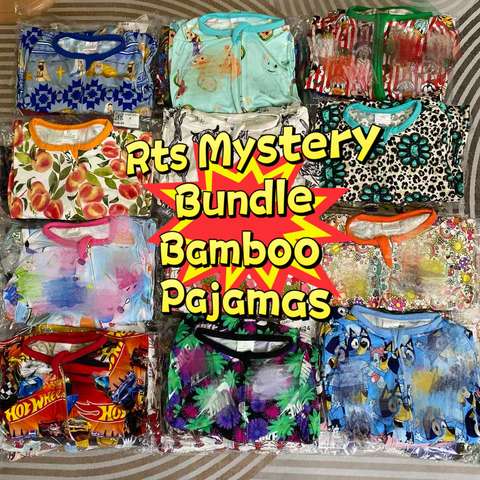
Understanding Bamboo Fabric Pajamas OEM Manufacturing
Bamboo fabric has become a leading choice for pajama manufacturing due to its sustainability, softness, and adaptability. For original equipment manufacturers (OEMs), working with bamboo fabric requires a precise understanding of fabric density, GSM (grams per square meter), and the industrial machinery used in production. This article delves into the technicalities of bamboo fabric OEM production and provides insights for businesses looking to partner with suppliers to create premium bamboo fabric pajamas.
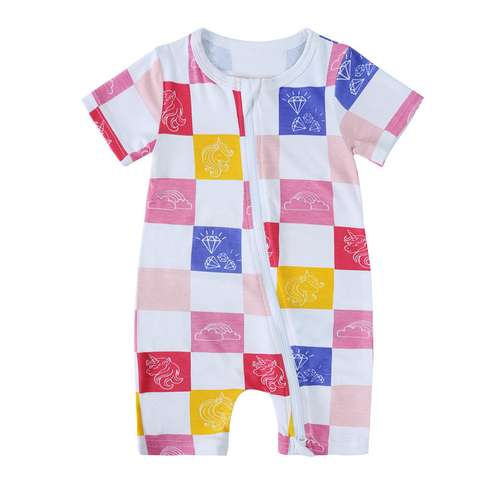
The Role of GSM in Bamboo Fabric Pajamas
GSM, or grams per square meter, is a critical metric in the textile industry. It describes the weight of fabric per square meter, which directly impacts the feel, durability, and functionality of the final product. Bamboo fabric's GSM typically ranges from 150 to 300 for most pajama applications, depending on whether the target market prioritizes lightweight, breathable summer wear or warmer, heavier fabric for colder months.
Manufacturers must carefully balance bamboo fabric's GSM to ensure the final pajamas meet customer expectations while optimizing cost-efficiency. For instance:
- Lightweight bamboo fabrics (150-180 GSM) are ideal for soft, flowy summer pajamas that offer exceptional breathability and comfort.
- Midweight fabrics (190-250 GSM) are versatile and suitable for all-season wear, balancing temperature regulation and wear resistance.
- Heavyweight fabrics (260-300 GSM) provide additional warmth, making them suitable for colder climates or premium loungewear products.
OEM manufacturers need access to precise fabric testing machinery to measure GSM, ensuring consistency throughout the production process. Variations in GSM can drastically alter the end product, leading to dissatisfied customers and potential returns.
Fabric Density and Its Impact on Durability
Fabric density is another vital factor for bamboo fabric pajamas. Density refers to the number of yarns or threads per unit of fabric and is closely linked to qualities such as durability, softness, and stretch. Higher density fabrics generally result in more durable pajamas but may sacrifice breathability.
Bamboo fabric is known for its silky texture, but ensuring optimal density is essential to harness its full potential. The following technical points are crucial for achieving the right balance of density in OEM pajama production:
- Yarn count and composition: Bamboo fibers can be used alone or blended with other materials like cotton or spandex. Using high-quality bamboo yarns ensures a softer feel and higher durability. For a satin or sateen finish, a higher thread count is typically preferred.
- Knitting versus weaving: Bamboo fabric for pajamas is often knit (e.g., jersey knit) for flexibility and softness, or woven (e.g., twill or plain weave) for structure and durability. Sophisticated knitting machines are required to achieve uniform density across large batches.
- Shrinkage compensation: Bamboo fibers are prone to shrinkage, typically between 5-10%, depending on the production process. OEM manufacturers often preshrink the fabric during finishing to prevent unwanted size reductions later.
A high level of precision and engineering is required to achieve the right density specifications, whether working with pure bamboo fabric or blends. Advances in industrial machinery now allow manufacturers to make dynamic adjustments during the production process to ensure uniform density, even at scale.
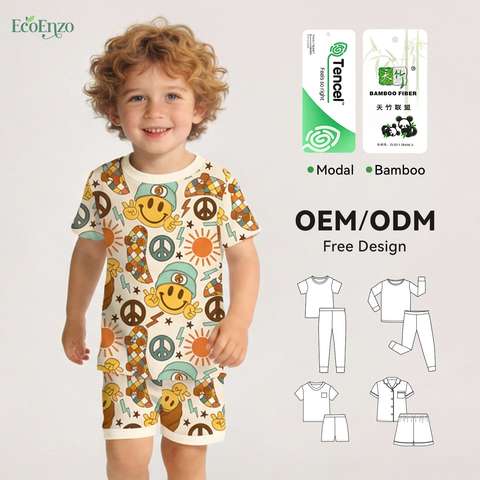
Industrial Machinery Used in Bamboo Fabric Pajamas Production
The production process for bamboo fabric pajamas relies on state-of-the-art industrial machinery to achieve efficiency, scalability, and consistency. From fiber processing to cutting and sewing, advanced equipment enhances performance at every stage. Here are some of the key types of machinery that OEM manufacturers use:
- Fiber processing equipment: Bamboo fabric production begins with converting bamboo pulp into viscose or lyocell fibers. Commonly, a closed-loop system is employed at this stage to limit environmental impact and conserve resources.
- Knitting and weaving machines: Circular knitting machines are widely used for creating stretchable pajama materials with uniform density, while shuttleless looms are preferred for woven fabrics. High-speed operation ensures cost-efficient production with minimal defects.
- Dyeing and finishing machinery: Bamboo fabric is highly absorbent, which makes it an ideal candidate for eco-friendly dyeing processes using low-impact dyes. Continuous dyeing machines or jet dyeing machines ensure even coloration at scale.
- Cutting and sewing machines: Precision cutting machines equipped with CAD (Computer-Aided Design) technology improve material yield and reduce waste. Automated sewing systems streamline assembly without compromising quality.
Innovative machinery has transformed OEM pajama production by increasing throughput and enabling the creation of customized designs tailored to different markets. With the right equipment, manufacturers can create bamboo pajamas that meet stringent quality standards.
Sustainability and Market Demand for Bamboo Fabric Pajamas
Bamboo fabric pajamas have gained widespread popularity among consumers due to their eco-friendly appeal and luxurious comfort. Bamboo fabric production requires far less water and pesticides compared to traditional cotton farming, and it has a lower carbon footprint. Additionally, bamboo grows rapidly and regenerates without the need for replanting.
For OEM clients, entering the bamboo pajama market provides a unique opportunity to align with sustainable practices while meeting consumer demand for ethically made products. To capitalize on this, consider these strategic steps:
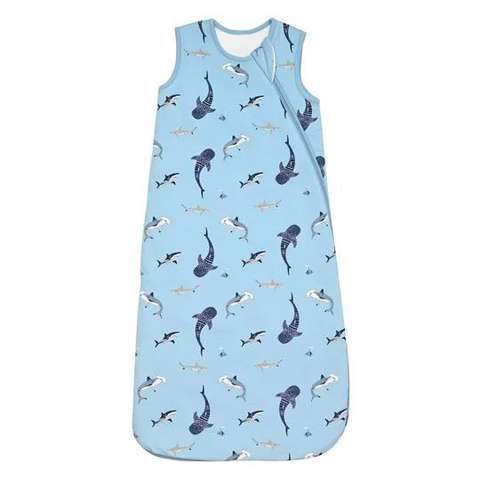
| Fabric Type | Organic Bamboo |
| Compliance | CPC Certified |
| Customization | Custom |
| Lead Time | 19 Days |
- Partner with eco-conscious suppliers: Choose fabric suppliers and manufacturers with certified sustainable practices, such as OEKO-TEX® or GOTS (Global Organic Textile Standard).
- Invest in branding: Highlighting bamboo fabric's antimicrobial, hypoallergenic, and moisture-wicking properties in marketing materials can attract health-conscious consumers.
- Customizable products: Work with an OEM partner capable of offering personalized features, such as bespoke sizes, colors, and designs, to make your bamboo pajama line stand out in the market.
By leveraging both the functional advantages of bamboo fabric and its sustainable story, businesses can build a competitive edge in the growing loungewear market.
: Choosing the Right OEM Partner for Bamboo Fabric Pajamas
Succeeding in the OEM bamboo fabric pajamas market requires collaboration with an experienced and well-equipped partner. From understanding critical metrics like GSM and fabric density to using cutting-edge industrial machinery, OEM manufacturers play a vital role in delivering high-quality products that meet customer expectations.
Investing in sustainable and high-performance bamboo fabric pajamas is not just an ethical choice but also a strategic business move. With the right equipment, expertise, and attention to technical details, OEM clients can produce premium products that resonate with modern consumers while ensuring operational efficiency.
In this competitive market, businesses should prioritize partnerships with OEMs that demonstrate a clear commitment to quality, innovation, and sustainability. By focusing on these pillars, companies can secure their position as leaders in the bamboo fabric pajama industry.