Astm F963 Bamboo Pajamas Kids Christmas Oem Manufacturer
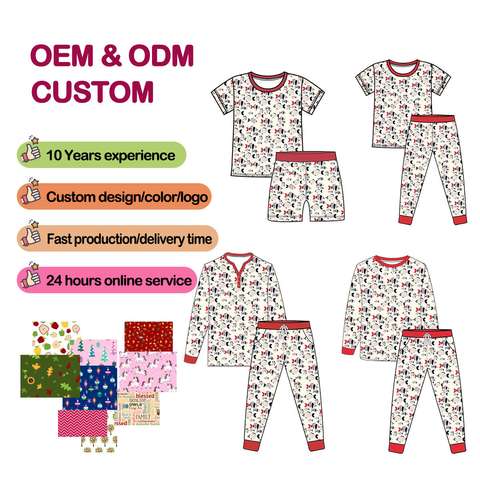
Understanding Bamboo Pajamas for Kids: A Technical Overview
Bamboo pajamas for kids are quickly gaining popularity due to their sustainability, softness, and comfort. With Christmas right around the corner, demand for these eco-friendly and visually appealing garments is at an all-time high. Creating bamboo kid's pajamas is a sophisticated process involving advanced industrial machinery, a deep understanding of fabric density, and careful selection of GSM (grams per square meter). For businesses in textiles, understanding these variables is crucial not just for quality assurance but also for optimizing production and ensuring a competitive edge in the holiday market.
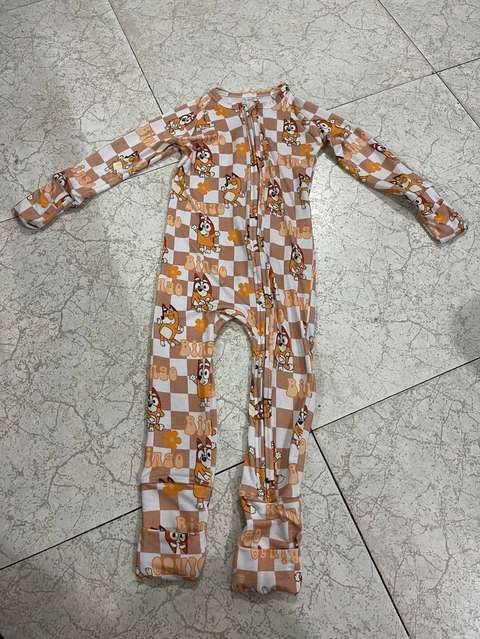
The Importance of GSM and Fabric Density in Bamboo Pajamas
GSM, or grams per square meter, plays a critical role in defining the quality and usability of bamboo fabrics. For kids' pajamas, particularly during the Christmas season when warmth and softness are priorities, selecting the right GSM is non-negotiable. Here's a breakdown of why GSM and fabric density matter.
What Does GSM Mean for Bamboo Fabrics?
GSM essentially measures the weight of fabric in relation to its area. For bamboo pajamas tailored to children, GSM typically falls within the range of 180-250. Pajamas designed for colder climates may trend toward the higher end of that range, ensuring warmth and insulation, while those designed for milder climates or layering may hover closer to 180 GSM.
This specification impacts not only the end product but also the production process, as machinery settings need to align with the chosen GSM to ensure uniformity and accuracy.
The Role of Fabric Density in Comfort and Durability
Fabric density, often influenced by GSM, determines how tightly the bamboo fibers are woven or knitted together. A denser fabric ensures durability and the ability to withstand repeated wash cycles, a valuable trait for kid-centric garments. However, too high a density may compromise breathability, so manufacturers need to strike the right balance, particularly for pajamas meant to be worn indoors in heated rooms during the winter season.
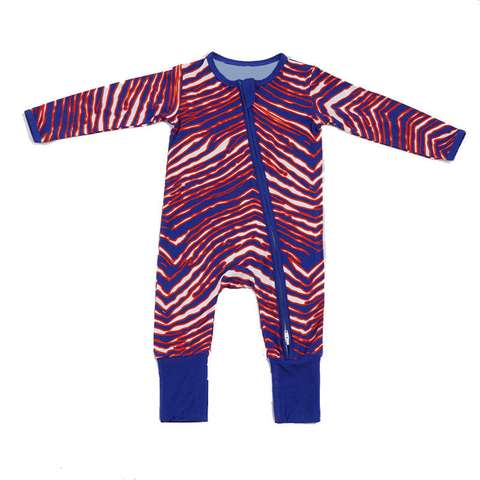
For instance, a double-knit bamboo jersey construction will often provide greater durability and comfort compared to a single-knit version while keeping GSM consistent across the product line. This consideration must align with customer expectations for bamboo kid’s wear.
Industrial Machinery for Producing Bamboo Pajamas
To meet the rising demand for bamboo fabric pajamas for kids, manufacturers are increasingly relying on advanced machinery optimized for precision and efficiency. From fabric spinning to cutting and sewing, each stage of production involves specialized equipment designed to handle bamboo fibers delicately.
Machinery for Bamboo Fiber Production
The process begins with spinning bamboo cellulose into viscose or lyocell yarns. Open-end spinning and ring-spinning machines are common in this stage, offering the precision required to maintain consistent GSM and fiber quality. Ring-spinning, in particular, is ideal for producing exceptionally fine yarns that yield the softness associated with premium bamboo pajamas.
Textile Weaving and Knitting Machines
Weaving or knitting machinery is key to creating bamboo fabrics, with each technique offering unique characteristics. Circular knitting machines are often employed for bamboo pajamas, as they produce lightweight and stretchy knitted fabrics such as jersey or interlock, which are perfect for sleepwear.
Another critical consideration is the machine's ability to handle the pliability and slipperiness of bamboo fibers, which are much smoother than cotton or synthetic fibers. Modern textile manufacturers often use computer-controlled knitting and weaving machines to ensure consistent density and GSM throughout the fabric.
Cutting and Sewing: Precision for Kids’ Pajamas
Once the fabric is ready, computerized cutting machines are vital for minimizing material waste and achieving precise patterns, especially for kids' clothing which often involves smaller and more intricate designs. Sharp blades and laser-guided cutting ensure minimal fraying and distortion of the bamboo fiber's natural properties.
Finally, industrial sewing machines, particularly those equipped with overlock capabilities, are required to stitch together the fabrics while maintaining stretch and durability. These machines work seamlessly with bamboo fabrics, creating strong, flexible seams that can handle the wear and tear of regular use.
The Sustainability Advantage
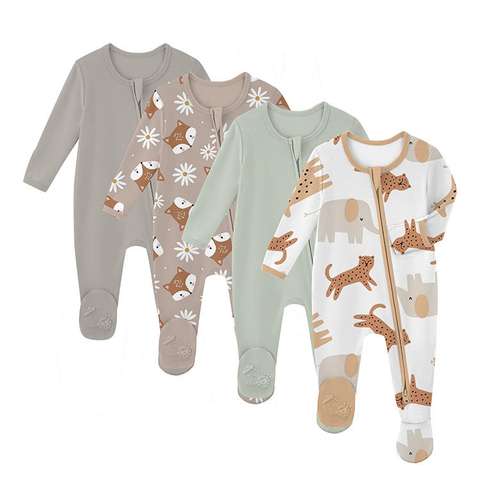
Bamboo pajamas have earned their place in the market not only for their softness and hypoallergenic properties but also for their sustainability—a major selling point during the Christmas season, where consumers become more eco-conscious about their purchases.
Eco-Friendly Raw Materials
Bamboo is one of the most sustainable raw materials on the planet. It grows rapidly without the need for chemical fertilizers or pesticides, and it requires significantly less water than cotton during cultivation. This makes bamboo an ideal choice for brands looking to align with sustainable practices and environmental goodwill.
Energy Efficiency in Production
Modern industrial machinery for bamboo fabrics is increasingly designed for energy efficiency. Machines with optimized motors and energy-saving modes significantly reduce electricity consumption, lowering the carbon footprint for manufacturers. This technological advancement not only minimizes environmental impact but also cuts operational costs, making sustainable production economically viable.
Reduced Waste Through Advanced Technology
One of the driving factors in the sustainability of bamboo pajamas for kids is the reduction of material waste. Modern computerized cutting and weaving machinery ensures optimal raw material usage and reduces scrap fabrics. Additionally, manufacturers are repurposing leftover fibers for other products, further enhancing the sustainability profile of bamboo fabrics.
: Combining Efficiency and Sustainability This Christmas
Bamboo pajamas for kids represent the intersection of technical excellence and environmental responsibility. By understanding the importance of GSM and fabric density, manufacturers can produce pajamas that satisfy both consumer comfort and durability standards. Additionally, leveraging advanced industrial machinery ensures precision and efficiency, making bamboo pajamas an accessible and sustainable choice for the Christmas season.
| Fabric Type | Pima Cotton |
| Compliance | GOTS Organic |
| Customization | OEM |
| Lead Time | 32 Days |
For companies looking to enter or expand within this burgeoning industry, investing in state-of-the-art technology and focusing on sustainable practices are non-negotiable steps. This not only appeals to ever-growing consumer demand for eco-friendly products but also establishes trust and reputability in the competitive world of children's textiles.
As the holiday season approaches, bamboo pajamas for kids stand out as the perfect combination of warmth, comfort, and sustainability—values increasingly cherished by today’s discerning consumers. By capitalizing on the right GSM, using optimal fabric density, and integrating advanced machinery, manufacturers can position themselves as leaders in this innovative market segment.