Astm F963 Comfortable Baby Bamboo Jumpsuit Long Sleeve Baby Romper Baby Bamboo Clothes Oekotex 100 Oem
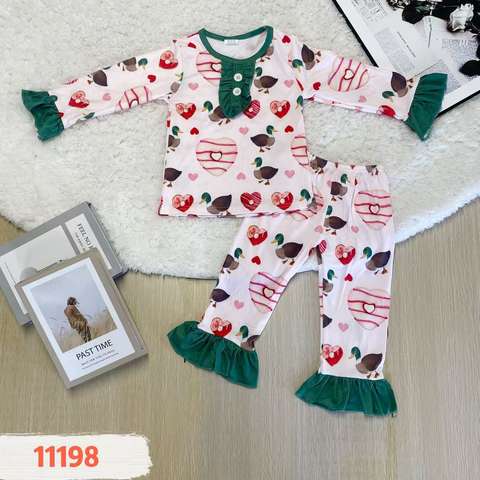
Innovating Babywear: Exploring GSM, Fabric Density, and Machinery in Bamboo Baby Jumpsuits
The baby garment industry is evolving with an increased emphasis on comfort, sustainability, and precision manufacturing. One standout product emerging in this landscape is the "comfortable baby bamboo jumpsuit long sleeve baby romper." This article delves into the technical aspects underpinning these innovative garments, focusing on GSM (grams per square meter), fabric density, and the role of industrial machinery in ensuring high-quality products.
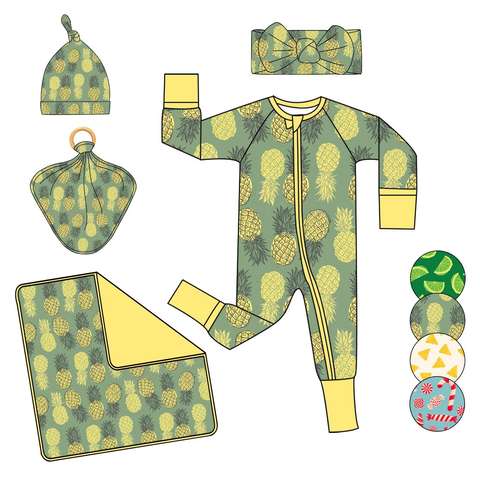
Understanding Bamboo Fabric for Baby Clothing
Bamboo fiber is turning heads in the industry for its sustainable and skin-friendly nature. Bamboo fabric is crafted through a series of processes where bamboo pulp is extracted and converted into fibers. These fibers are then woven or knitted into a fabric that offers unparalleled softness, breathability, and hypoallergenic properties—making it ideal for sensitive baby skin.
One notable metric in assessing the suitability of bamboo fabric is its GSM, a primary measure of fabric weight. This parameter is especially crucial in babywear, where comfort, durability, and sensory experience are paramount. But what exactly is GSM, and how does it influence the baby bamboo romper's performance?
The Role of GSM in Baby Bamboo Jumpsuits
Defining GSM in Textiles: Grams per square meter (GSM) determines the weight of a fabric by measuring the mass over a single square meter of fabric. The higher the GSM, the heavier and denser the fabric, whereas lower GSM points to a lighter and airier material. In baby jumpsuits, maintaining an ideal GSM is critical to balance warmth, comfort, and flexibility.
Achieving Optimal GSM for Baby Rompers:
- Most baby bamboo rompers feature a GSM range between 180 and 250. This range ensures the fabric is light enough to allow for airflow while offering warmth and coverage for cooler conditions.
- For long-sleeve designs, such as the bamboo baby jumpsuit, a GSM around 200 strikes the sweet spot between durability and softness. This ensures the garment remains breathable yet sturdy enough to endure regular use and multiple rounds of washing.
GSM isn’t just a static measurement—it directly impacts fabric density, which plays a pivotal role in the texture and feel of these jumpsuits.
Fabric Density: A Key to Comfort and Functionality
How Fabric Density Affects Babywear: Fabric density defines the compactness of fibers in a given area, affecting how soft, flexible, and insulating a garment feels. Higher density is generally linked to greater durability but may sacrifice some breathability. Lower-density fabrics are softer and airier, although they may be less robust and suffer from wear and tear over time.
For babies, fabric density must be carefully calibrated. The goal is to deliver garments that provide natural, unrestricted movement while also ensuring snug support. Bamboo fabric, due to its intrinsic softness, allows manufacturers to achieve optimal density without compromising comfort. By weaving or knitting bamboo fibers tightly together, jumpsuits can meet the dual requirement of durability and plushness.
Knitted vs. Woven Bamboo Fabrics: The knitting or weaving technique used in production also impacts fabric density:
- Knitted fabrics are commonly used in baby bamboo jumpsuits due to their stretchability, making them ideal for active infants. These knitted structures ensure elasticity and maintain even density, contributing to a gentle, natural fit for babies.
- Woven fabrics, though less common in jumpsuits, offer higher stability and are better suited for accessories or outerwear than form-fitting rompers.
Achieving the right fabric density requires advanced industrial machinery, which brings precision into the manufacturing process.
The Role of Industrial Machinery in Crafting Bamboo Baby Jumpsuits
Modern garment production relies heavily on industrial-grade machinery to ensure consistent quality and efficiency. Advanced equipment is central to manufacturing bamboo babywear, offering precision at every step of the process—from fiber extraction and knitting to cutting and stitching. Let’s examine the stages where technology influences these jumpsuits:
Machinery for Fiber Processing and Spinning
The manufacturing of bamboo fabric begins with processing bamboo pulp into fibers. To ensure the fibers retain their natural hypoallergenic properties, advanced machinery processes them with minimal chemical intervention. Spinning machines then create yarns with uniform thickness and strength, critical for maintaining consistent fabric density and GSM in the final product.
| Fabric Type | Pima Cotton |
| Compliance | GOTS Organic |
| Customization | Bespoke |
| Lead Time | 20 Days |
High-Precision Knitting Machines
Once the bamboo yarns are prepared, circular or flat knitting machines handle the actual fabric production. These machines utilize computerized controls to knit bamboo fibers with consistent tension, ensuring uniformity in fabric density throughout the sheet. Stretchy, lightweight knits required for baby jumpsuits are fine-tuned with modern knitting machinery, offering the precision and speed that manual methods cannot match.
Cutting and Stitching with Automation
When it comes to assembling the jumpsuit, cutting and stitching technologies play a vital role. Automated fabric cutters ensure precise dimensions for the panels, minimizing waste while creating perfectly aligned components. Meanwhile, industrial sewing machines with multi-needle heads handle complex stitching patterns, such as elastic fittings at the cuffs and necklines, allowing for a secure fit without compromising comfort.
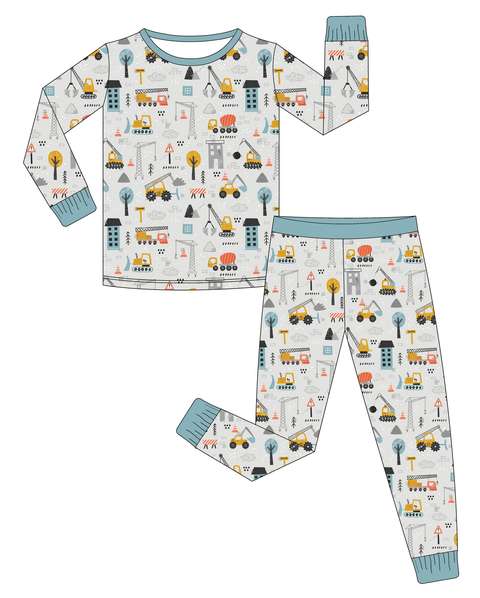
Quality Control Systems
Before the product reaches the end-user, it undergoes rigorous quality control supported by modern inspection machinery. Automated scanners can detect defects such as uneven thickness, insufficient elasticity, or visible inconsistencies, ensuring only the best items make it to market.
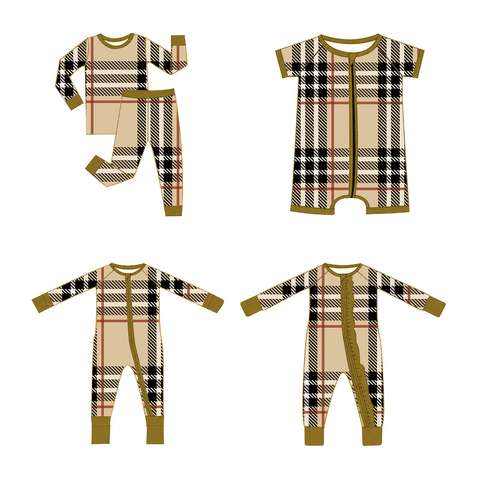
Sustainability and Efficiency Through Machine Innovations
, machinery innovations are driving sustainability in the babywear sector. Energy-efficient knitting machines, low-waste fabric cutters, and recycling initiatives for bamboo fiber scraps help minimize the environmental footprint of production—aligning the manufacturing process with the eco-friendly qualities of bamboo itself.
Benefits for Manufacturers and Retailers
High-tech machinery not only improves product quality but also offers added advantages for manufacturers and B2B buyers:
- Scalability: Advanced machinery ensures consistent quality across large production runs, making it easier for businesses to scale operations.
- Cost Optimization: Automation reduces labor costs and material waste, allowing companies to produce premium garments at competitive prices.
- Customer Satisfaction: The precision achieved through machinery translates into better comfort and durability for end-users, boosting brand loyalty and repeat purchases.
: Progress Through Precision and Sustainability
The comfortable baby bamboo jumpsuit is a marvel of modern textile engineering. With an optimal balance of GSM and fabric density, crafted through cutting-edge industrial machinery, these outfits exemplify the intersection of comfort, durability, and sustainability. From sustainable bamboo sourcing to high-tech manufacturing, the success of this garment is a testament to advancements in babywear technology.
For B2B buyers, understanding these technical aspects reveals how investing in bamboo-based baby clothing can deliver both superior customer satisfaction and measurable business advantages. As the market increasingly values innovative and eco-conscious solutions, bamboo baby jumpsuits prove that precision in manufacturing leads to comfort for the most important audience—our little ones.