Astm F963 Custom Printed Baby Clothes Tailormade Factory
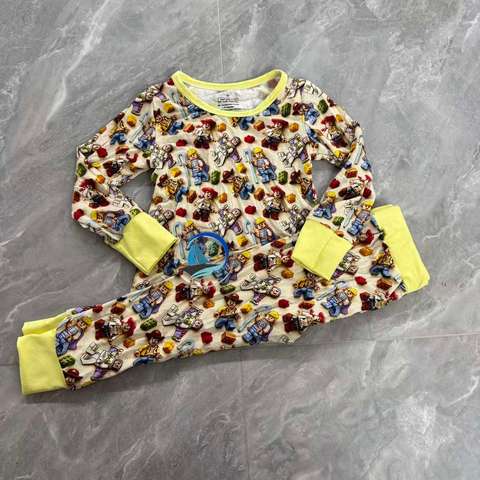
The Engineering of Custom Printed Baby Clothes
In the world of textile manufacturing and apparel production, custom printed baby clothes represent an intersection of precision engineering and creative innovation. For B2B stakeholders, the production process involves understanding critical factors like fabric GSM (grams per square meter), fabric density, and the role of specialized industrial machinery. These components ensure the final product balances quality, comfort, and durability, essential attributes for baby apparel.
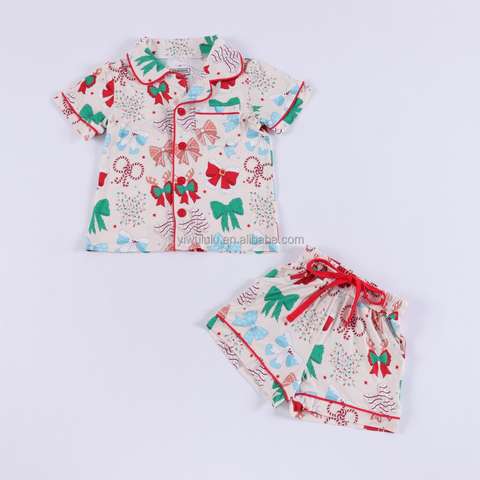
Understanding GSM and Its Importance in Baby Clothes
GSM, or grams per square meter, refers to the weight of the fabric, playing a pivotal role in determining the quality and functionality of any textile product. When it comes to baby clothes, achieving the perfect GSM is crucial for both comfort and durability. Too high a GSM can result in heavy, uncomfortable garments, while too low can lead to fragile, easily worn-out clothing.
Typically, the GSM range for baby apparel varies between 120 and 200. Lightweight fabrics (120-140 GSM) are used for summer clothing, such as baby bodysuits and rompers, offering breathability and softness against the skin. On the other hand, mid-weight fabrics (160-200 GSM) are ideal for colder weather, providing warmth without compromising flexibility. Balancing GSM throughout the production process requires a detailed understanding of both material science and customer expectations.
Achieving the optimal GSM for baby garments involves sourcing the right raw materials. Organic cotton, bamboo blends, and other hypoallergenic materials are often chosen for their superior softness and safety. These textiles undergo strict GSM testing during quality control to ensure accuracy and consistency before mass production begins.
Fabric Density and Its Impact on Durability and Printing
While GSM focuses on weight, fabric density emphasizes thread count and construction. Both attributes deeply influence the longevity and visual appeal of custom printed baby clothes. A tightly woven fabric with higher density creates a smoother surface, allowing for vibrant and precise print designs.
Fabric density affects printing accuracy because gaps and uneven textures can disrupt ink distribution during direct-to-garment (DTG) or screen printing. For example, lower-density fabrics may result in blotchy or faded prints, while higher-density fabrics ensure smooth lines and crisp patterns. For baby clothes, selecting fabrics with medium to high densities ensures both durability and aesthetic excellence.
Additionally, fabric density plays a significant role in comfort. Baby skin is highly sensitive, necessitating the use of soft fabrics that avoid irritation. Double-knitted interlock cotton or jersey knits are a common choice, as they combine adequate density with a soft, plush texture that feels gentle against the skin.
The Role of Industrial Machinery in Custom Printed Baby Clothes
Behind every custom-printed piece of baby clothing is the precision of industrial machinery. From knitting fabric to applying vibrant, hypoallergenic prints, specialized equipment drives efficiency and quality across the production pipeline.
Fabric Production Machinery
Fabric creation is the first step in the production process. Circular knitting machines are widely used to produce high-density, stretchable fabric, ideal for baby wear. These machines operate with high precision, determining both fabric density and texture. Advanced computerized knitting machines can program specific patterns and thread counts, ensuring consistency across large-scale production runs.
For organic and eco-friendly materials, spinning machines equipped with sustainable capabilities help maintain the structural integrity of the fibers. This is critical for achieving desired GSM while minimizing environmental waste, an important criterion for many modern baby clothing brands.
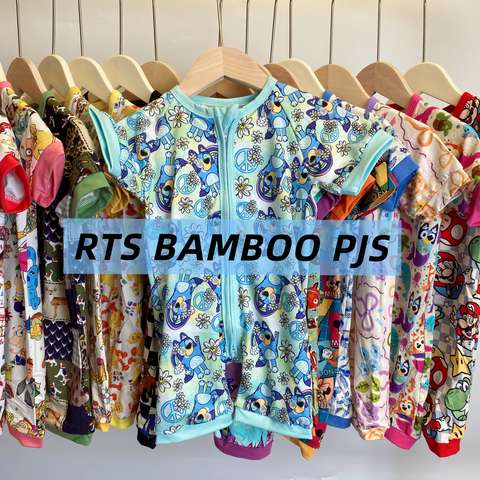
Printing and Dyeing Technologies
Printing is where customization takes center stage. Two dominant methods in custom baby clothing manufacturing are direct-to-garment (DTG) printing and screen printing. Each method relies on industrial-grade precision.
| Fabric Type | Organic Bamboo |
| Compliance | OEKO-TEX 100 |
| Customization | OEM |
| Lead Time | 22 Days |
DTG Printing: DTG printers excel in rendering intricate, colorful designs directly onto fabric. These machines utilize water-based, non-toxic inks that are safe for infants. The process requires immaculate surface preparation to ensure even ink absorption, which further underscores the importance of fabric density.
Screen Printing: In voluminous production, screen printing offers a reliable method for applying bold and simple designs. Multi-head screen printing machines allow for simultaneous applications of different colors, improving turnaround times. Here, the quality of the ink, screens, and drying technologies determine the final product's durability.

Quality Assurance and Finishing
After printing, baby clothes pass through inspection and finishing processes. Industrial sewing machines, equipped with overlock or flatlock capabilities, are employed to assemble clothing pieces with sturdy and smooth edges. Automatic cutting and hemming machines ensure consistent dimensions, crucial for maintaining uniform sizing.
Final quality checks involve testing the fabric for resistance to washing, shrinkage, and color fading. Stretch testing machinery plays a role in evaluating a garment's elasticity—important for baby clothes that need to endure frequent motion and use.
Why Customization is Vital for B2B in the Baby Apparel Industry
The baby clothing market is a unique segment within the textile industry, demanding a balance of comfort, safety, and style. Customization is an essential driver for B2B communication and partnerships. Retailers and brands rely on manufacturers to deliver personalized solutions that align with evolving consumer expectations.
Customization also allows small businesses and larger enterprises alike to differentiate their product lines. By leveraging advancements in digital textile printing and sustainable fabric production, manufacturers can cater to niche markets, such as organic baby clothes or premium designer collections. Industrial machinery's precision and scalability ensure that these demands are met without sacrificing cost efficiency.
The production of custom printed baby clothes is a technical symphony of material science, engineering, and industrial innovation. A thorough understanding of GSM, fabric density, and machinery capabilities ensures that every garment meets the highest standards of comfort, safety, and quality. In the B2B space, these factors directly influence a company's ability to meet market demands and secure a competitive edge.
For businesses in the baby apparel industry, investing in advanced production technologies and partnering with experienced manufacturers can new growth opportunities. By putting equal emphasis on technical precision and creative design, companies can produce baby clothes that delight both parents and their little ones.