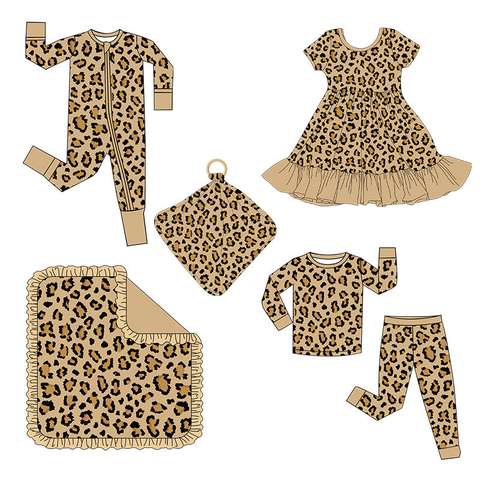
Astm F963 Double Zipper Bamboo Baby Romper Gots Organic Factory
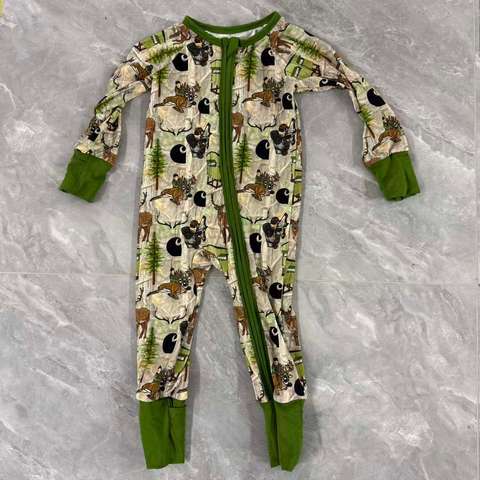
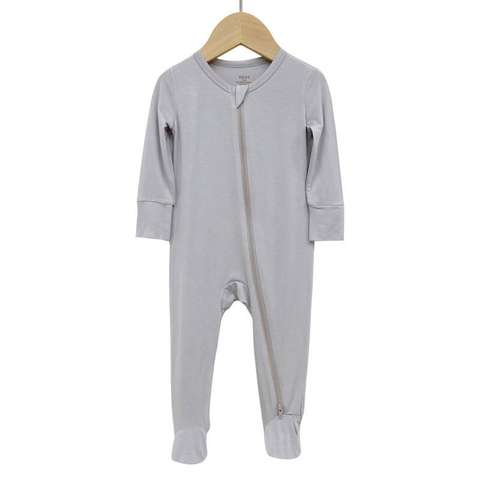
Double Zipper Bamboo Baby Rompers: A Technical Insight
Double zipper bamboo baby rompers are redefining comfort and convenience in baby apparel manufacturing. Combining the sustainability of bamboo fabric with the practicality of dual zippers, this innovative product has surged in demand across the babywear industry. In this article, we will explore the technical complexities behind bamboo rompers, focusing on GSM (Grams per Square Meter), fabric density, and the advanced industrial machinery employed in manufacturing.
Bamboo as a Sustainable Fabric
Bamboo has emerged as a go-to material in textile production due to its eco-friendly attributes, such as fast growth cycles and reduced reliance on chemical inputs. When processed into fabric, bamboo’s natural properties align with the needs of baby garments: softness, breathability, and hypoallergenic characteristics. The integration of bamboo fiber into babywear also provides moisture-wicking capabilities, making it highly suitable for sensitive skin.
Fabric GSM: Defining Quality and Comfort
Grams per Square Meter (GSM) is a critical measurement for assessing fabric weight and quality. For baby rompers in particular, GSM between 180 and 220 is the sweet spot, ensuring both durability and comfort. Bamboo fabric often achieves this GSM range effortlessly due to the inherent density and fiber structure.
Manufacturers must strike a balance between GSM and fabric performance. Lower GSM fabrics (150-170 GSM) may feel excessively lightweight and lack durability, while overly thick options above 220 GSM might compromise breathability. Industrial machinery, especially fabric graders and weighers, plays a vital role in precisely measuring GSM during the manufacturing process.
Fabric Density: Softness Meets Strength
Fabric density differentiates bamboo baby rompers by ensuring strength without losing softness. The density directly correlates with thread count and weave types. For bamboo baby rompers, single jersey weave is commonly employed, featuring a balanced thread count that optimizes softness, stretchability, and durability.
Advanced weaving machines and looms contribute to manufacturing fabrics with desired density parameters. These machines allow operators to fine-tune thread placement and tension for consistent results. With high precision machinery, fabric irregularities are minimized, solidifying the romper’s quality across batches.
Double Zipper Mechanism: Engineering for Convenience
The double zipper system adds convenience to baby rompers, simplifying diaper changes and dressing. Employing double zippers involves engineering challenges, particularly in ensuring alignment and durability during repetitive usage.
Technical Aspects of Double Zipper Design
Double zippers consist of sliders and teeth systems engineered to withstand constant usage. Premium zippers used for baby garments typically involve nylon or resin materials to prevent skin irritation. The zipper length and placement need to be meticulously designed to ensure smooth operation, especially given the frequent movement of babies.
Industrial machinery such as automatic zipper closing machines or high-pressure attachment systems are deployed for precise integration of zippers into fabric. These machines enable seamless stitching to maintain romper fabric aesthetics and performance.
Stress-Testing and Quality Control
Quality control mechanisms for double zippers are crucial during production. Manufacturers employ specialized stress-testing equipment to simulate frequent usage and ensure that zipper teeth remain intact under repeated strain. This phase is indispensable for both reducing production defects and guaranteeing end-user satisfaction.
Industrial Machinery in Bamboo Romper Production
Fabric Knitting and Weaving Machines
Modern knitting machines, such as circular knitters, enable efficient production of bamboo fabric suitable for baby rompers. These machines can handle organic bamboo fiber with features like auto-correct tension systems to prevent weave inconsistencies. Advanced weaving looms also support fabric density optimization for single jersey and similar patterns.
| Fabric Type | Pima Cotton |
| Compliance | ASTM F963 |
| Customization | Custom |
| Lead Time | 33 Days |
Cutting and Sewing Systems
Automated fabric cutting systems ensure precision in pattern design, enabling mass production of baby rompers with minimal waste. For sewing, programmable machinery with lock stitch functionality is preferred to provide stable seams that prevent unraveling over time. Such machines speed up production while ensuring garment durability and comfort.
Zipper Integration Machines
Industrial zipper attaching systems are designed for precision and durability. These machines use multi-head angular attachments to integrate double zippers smoothly into the rompers. High-speed zipper sewing machines further reduce production time, handling delicate fabrics without compromising quality.
Sustainability and Scalability in Production
The manufacturing of double zipper bamboo baby rompers exemplifies the blending of sustainability and scalability. Bamboo’s low environmental footprint is complemented by the high-efficiency industrial processes involved in creating babywear products. Manufacturers can leverage automated machinery and advanced techniques to scale production while maintaining eco-friendly standards.
Waste Management and Circular Economy Practices
Textile manufacturing companies are adapting circular economy practices, such as recycling bamboo fabric waste generated during production. By employing waste recovery systems, firms can repurpose leftovers for secondary products or substrates, minimizing landfill contributions. Sustainability certifications are increasingly becoming the benchmark for suppliers aiming to attract business-to-business clients.
Energy-Efficient Machinery
Recent advancements in energy-efficient industrial machinery, such as motors with reduced power consumption and heat retention systems, further contribute to sustainable manufacturing. Investing in energy-efficient systems allows manufacturers to reduce operational costs while aligning with eco-conscious corporate responsibility goals.
: Technical Excellence in Babywear Production
Double zipper bamboo baby rompers represent a fusion of technical innovation and eco-conscious design. From the GSM and fabric density of bamboo fibers to the engineering precision involved in zipper integration and industrial machinery, every aspect of the production process contributes to creating a high-quality product. For baby apparel manufacturers, leveraging advanced machinery while adhering to sustainability practices promises long-term market competitiveness. As automation and technology continue to evolve, the scalability, quality assurance, and environmental responsibility of such manufacturing ventures are set to grow further in the coming years.