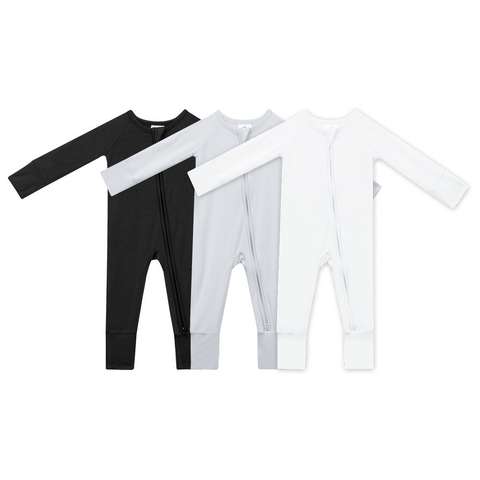
Astm F963 Odm Baby Rompers Custom Factory
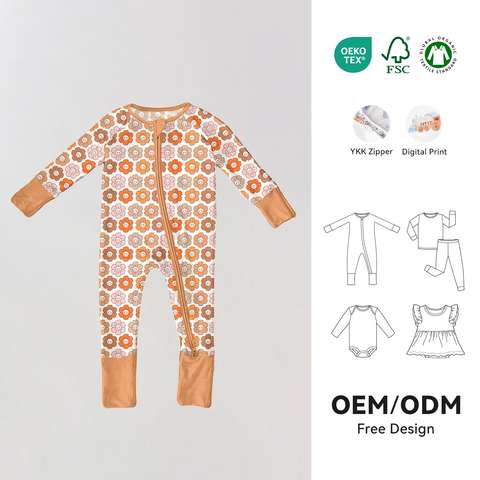
ODM Baby Rompers: Optimizing Quality and Efficiency
The production of baby rompers requires a harmonious balance between precision, quality, and efficiency. In the realm of Original Design Manufacturing (ODM), this equilibrium becomes even more critical as companies seek to deliver superior products at competitive costs. This article delves into the technical aspects underpinning ODM baby romper production, focusing particularly on GSM, fabric density, and the role of advanced industrial machinery.
Understanding GSM and Its Impact on Baby Romper Durability
GSM, or grams per square meter, is a critical metric used in fabric production and garment design. It indicates the weight of fabric per square meter and has a profound effect on the durability and comfort of finished garments such as baby rompers. Lighter GSM fabrics (typically between 120 to 160 GSM) are often preferred for warmer climates, offering breathability and comfort. Conversely, heavier GSM fabrics (180 GSM and above) provide added durability and warmth, making them ideal for colder environments.
For baby rompers, selecting the correct GSM involves striking a balance between softness and longevity. Babies’ sensitive skin necessitates the use of soft, breathable fabrics, while parents seek high durability for frequent washing and wear. To achieve these standards, many ODM manufacturers employ advanced fabric testing equipment to measure GSM accurately and ensure consistency across production lots.
The Role of Fabric Density in Comfort and Functionality
Closely related to GSM is fabric density, another crucial parameter in baby romper production. Fabric density refers to the number of threads per unit area, often measured in threads per inch (TPI). High-density fabrics offer increased durability and resist pilling, while lower-density materials prioritize flexibility and softness.
When producing ODM baby rompers, fabric density plays a significant role in ensuring the product's functionality. High-density fabrics are often paired with a moderate GSM to create rompers that are not only breathable and soft but also long-lasting. The challenge lies in optimizing the weave structure without compromising on either comfort or durability.
Innovative textile machinery and process automation aid in achieving this balance. Using automatic looms with customizable configurations, manufacturers can fine-tune the thread count and weave patterns to produce fabrics with the desired density and performance attributes.
Industrial Machinery: Transforming ODM Baby Romper Production
The technological advancement of industrial machinery is indispensable to the efficiency and precision of ODM baby romper manufacturing. From fabric production to stitching and finishing, each stage benefits from cutting-edge machinery engineered for scalability and speed.
Some of the key machinery used in ODM baby romper production includes:
- Knitting and Weaving Machines: Advanced knitting or weaving machines allow for the production of high-quality fabrics tailored specifically for baby rompers. With capabilities such as weft insertion and computerized control, these machines ensure consistency and minimize material wastage.
- Laser Cutting Machines: Precision laser cutting ensures accurate fabric shapes while minimizing fraying along the edges. This level of accuracy reduces ‘cut-to-sew’ time, significantly speeding up production cycles.
- Automatic Sewing Machines: Fully programmable sewing machines enable rapid stitching of panels and trims, ensuring consistent stitch density and reducing the risk of human error.
- Quality Inspection Systems: Automated quality inspection systems equipped with vision sensors detect defects in fabrics or final garments. These systems play a vital role in maintaining quality while ensuring compliance with safety standards for baby clothing.
Each of these machines contributes not only to improved product quality but also to operational efficiencies that lower manufacturing costs and enable ODM players to compete globally.
Material Selection: Beyond Cotton
Though cotton is traditionally the fabric of choice for baby clothing, the growing demand for enhanced functionality and sustainability has led to the exploration of alternative materials in ODM baby romper production. Blends of organic cotton, bamboo viscose, and recycled fibers are increasingly popular due to their softness, breathability, and environmental credentials.
Each material demands specific processing techniques to optimize performance without sacrificing sustainability. For example, bamboo viscose offers anti-microbial properties and requires treatment on specialized machinery to maintain its integrity during weaving and finishing. Meanwhile, recycled fibers are often blended with natural materials to create a balance between environmental sustainability and textile performance.
ODM manufacturers are integral in customizing these material blends to meet the unique needs of their clients, leveraging their expertise in fabric engineering and finishing technologies.
Quality Assurance in ODM Baby Rompers
In the highly competitive market of baby clothing, quality assurance takes center stage. The sensitive nature of the end users—infants and toddlers—demands compliance with stringent safety and quality regulations, such as OEKO-TEX® standards and CPSIA guidelines in the United States.
To achieve these standards, ODM manufacturers employ rigorous testing protocols at various stages of production. Testing fabric thickness, tensile strength, colorfastness, and washability are common procedures to ensure that the final products meet customer expectations.
Another critical aspect of quality assurance is the certification of materials used. Non-toxic, hypoallergenic dyes and finishes must be verified to guarantee they are free from harmful chemicals that could irritate a baby’s sensitive skin. Advanced industrial equipment capable of dye-level analysis is used to test and certify these attributes before production commences.
: The Future of ODM Baby Roper Manufacturing
ODM baby romper manufacturing is a dynamic intersection of textile science, industrial engineering, and customer-centric innovation. GSM and fabric density are fundamental parameters that govern product quality and usability, while the role of industrial machinery ensures precision and scalability in production.
As sustainability and customization gain momentum in the textile industry, ODM manufacturers are well-positioned to lead the charge by incorporating eco-friendly materials, advanced equipment, and meticulous quality assurance practices. Through strategic investments in technology and technical expertise, they are shaping the future of baby clothing production while remaining aligned with global consumer demands and regulatory requirements.
| Fabric Type | Pima Cotton |
| Compliance | ASTM F963 |
| Customization | Bespoke |
| Lead Time | 18 Days |
For businesses seeking a reliable ODM partner for baby romper production, understanding the intricate interplay between fabric properties, machinery capabilities, and quality assurance can help in making informed decisions. The ODM sector continues to innovate, ensuring that baby rompers are not just garments but exemplars of modern textile engineering and design.