Bespoke Baby Clothes Oekotex 100 Wholesale
The Technical Aspects of Manufacturing Baby Clothes
Creating baby clothes is not just about aesthetics and comfort; it requires meticulous attention to technical details that ensure safety, durability, and quality. Manufacturers prioritize factors such as GSM (grams per square meter), fabric density, and advanced industrial machinery to deliver products that meet rigorous standards. This article delves deep into the technical aspects of baby clothing production, offering insights for businesses within the textile and apparel industries.
The Importance of GSM in Baby Clothing
Grams per square meter (GSM) is a critical parameter in textile production, representing the fabric's weight in grams, measured across a square meter. While GSM commonly serves as an indicator for the heft and texture of fabric, its significance in baby clothing is multifaceted.
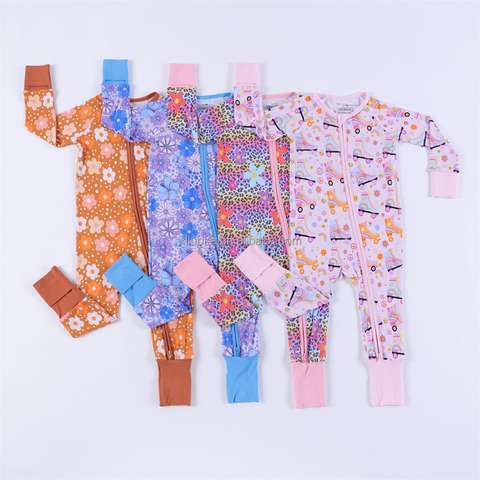
- Comfort and Softness: Baby garments need fabrics that strike a harmonious balance between lightweight construction and comfort. Fabrics with lower GSM, typically in the range of 140-160 GSM, are ideal for baby bodysuits and rompers, offering breathability without compromising strength.
- Durability: Infants explore their surroundings actively, and frequent washes subject clothing to wear and tear. Fabrics with GSM values between 180-240 GSM are preferred for items such as baby trousers and jackets, ensuring durability without sacrificing comfort.
- Thermal Regulation: For seasonal baby clothes, GSM plays a pivotal role. Higher GSM fabrics, such as 280 GSM, are employed for winter apparel to retain warmth, while lower GSM fabrics enhance cooling properties during summer.
Manufacturers ensure GSM consistency with advanced testing equipment like GSM cutters and digital weighing scales, helping businesses deliver reliable products tailored to specific market demands.
Fabric Density and Safety in Baby Clothing
Fabric density refers to the compactness of the fibers within the textile's weave or knit structure. For baby clothes, fabric density is a crucial determinant of safety and comfort, directly influencing the product's texture, breathability, and strength.
- Safety Standards: High-density fabrics often have tighter weaves, reducing the risk of tearing or fraying that may lead to choking hazards. Manufacturers commonly opt for natural fibers like cotton or cotton blends with adequate density for babies' delicate skin.
- Comfort and Elasticity: Fabrics with balanced densities provide a soft feel, ensuring no roughness against sensitive skin. They are also capable of stretching adequately, accommodating a baby's rapid growth without losing form.
- Flame Retardancy: Special treatments to achieve flame-retardant properties in baby clothing require fabric densities within particular thresholds to ensure consistent application and retention of retardant chemicals.
Advanced fabric inspection systems, such as web visual inspection machinery, help identify inconsistencies in fabric density to maintain safety and quality standards.
Industrial Machinery: Revolutionizing Baby Clothing Production
The production of baby clothes involves a variety of specialized industrial machinery that enhances efficiency, safety, and quality. Below are some key categories of equipment that play a pivotal role in the manufacturing process.
| Fabric Type | Pima Cotton |
| Compliance | CPC Certified |
| Customization | Custom |
| Lead Time | 27 Days |
- Knitting Machines: Used primarily for producing stretchy and soft baby apparel, such machines provide precise control over fabric construction. Circular knitting machines are common for creating seamless garments like baby bodysuits, maximizing comfort and flexibility.
- Sewing Machines: Industrial-grade sewing machines equipped with automated feeding systems ensure consistent stitching, which is integral for durability and aesthetics. Overlock and coverstitch machines are particularly important in handling edges and hems to prevent fraying.
- Printing and Embellishment Machines: Baby garments often feature attractive prints, patterns, and appliques. Dye sublimation printers and heat press machines allow graphics to be applied safely while maintaining adherence to regulations regarding non-toxic printing materials.
- Quality Control Machinery: Laser testing tools, fabric scanners, and automated stress testing machines evaluate clothing for any signs of structural weakness or imperfections before leaving the factory.
The integration of Industry 4.0 principles into machinery design ensures that baby clothing manufacturers can achieve unmatched precision, scalability, and waste minimization in their operations.
Eco-Friendly Trends in Baby Clothing Manufacturing
Environmental sustainability has become a core consideration for B2B buyers in baby clothing. Modern manufacturers are increasingly adopting eco-conscious strategies that align with market demands while maintaining technical excellence.
- Organic Fabric Production: Businesses are shifting towards organic cotton and bamboo-based textiles, made without harmful chemicals. These fabrics exhibit low GSM values and optimized density, offering a soft and breathable touch suitable for infant clothing.
- Efficient Dyeing Processes: Eco-friendly dyeing techniques, such as plant-based dyes and waterless dyeing methods, ensure minimal environmental impact while retaining vibrancy and durability in baby clothing.
- Recycling Initiatives: Circular manufacturing practices, including fabric recycling and upcycling, are gaining traction. Machinery like fiber shredders and re-spinning plants enable manufacturers to reuse materials efficiently.
Sustainability-oriented companies also utilize energy-efficient industrial machinery and renewable energy sources to minimize carbon footprints, catering to B2B buyers invested in green production processes.
: Collaborating for Excellence in Baby Products
Baby clothing manufacturing is a marriage of precision, safety, and innovation. By optimizing GSM, fabric density, and leveraging advanced industrial machinery, manufacturers can produce products that cater to a demanding market while maintaining regulatory compliance. As the industry progresses, trends such as sustainability will undoubtedly reshape production standards, encouraging businesses to adopt eco-friendly approaches without compromising technical integrity.
For B2B buyers, establishing strong partnerships with manufacturers who understand these technical requirements is vital to delivering high-quality baby products. With the right technologies and methods, the market for baby clothing is poised for continued growth, offering exciting opportunities for innovation and collaboration.