Bespoke Bamboo Sweatshirt Pajamas Custom Manufacturer
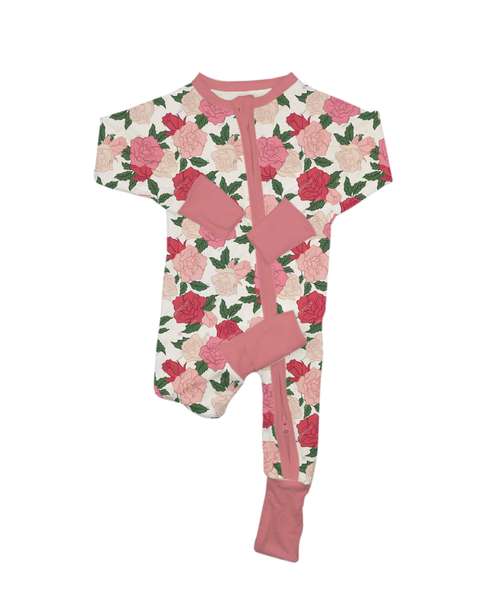
Exploring the Revolution of Bamboo Sweatshirt Pajamas in Modern Textiles
The textile industry is undergoing a significant transformation as it embraces more sustainable and high-performance materials. One such fabric making waves in the sector is bamboo-based textiles, particularly for applications like sweatshirt pajamas. Combining technical precision with environmental consciousness, bamboo sweatshirt pajamas symbolize the merging of innovation and sustainability. This article focuses on the technical aspects of bamboo textiles, including GSM, fabric density, and their production using industrial machinery.
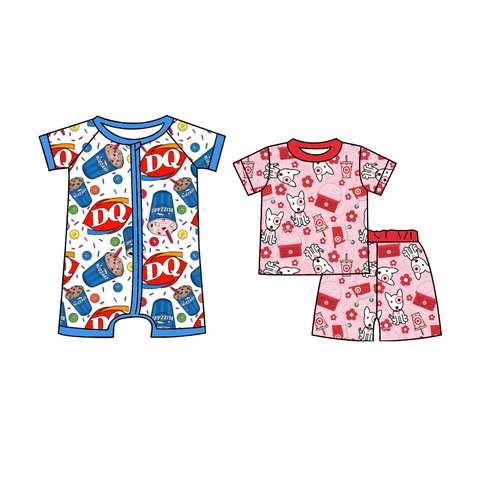
The Science Behind Bamboo Fabrics
Bamboo fabric is derived from the cellulose extracted from bamboo plants, a highly renewable resource. This cellulose is chemically processed into viscose, rayon, or modal fibers, capable of being spun into yarns for weaving and knitting. These fibers are known for their softness, durability, and moisture-wicking properties, making them an excellent choice for specific garments like sweatshirt pajamas.
Bamboo fibers often outperform traditional cotton in various metrics. They are lighter, more breathable, and inherently more resistant to bacterial growth. Bamboo fabric also has a unique sheen and smooth texture, giving it a luxurious feel akin to silk. When engineered for sweatshirt pajamas, the focus lies on ensuring optimal comfort and functionality while maintaining the durability associated with high-quality textiles.
Understanding the properties of bamboo-based textiles is incomplete without a discussion of GSM and fabric density—two critical elements defining the usability and performance of the fabric.
GSM: The Key Indicator of Fabric Weight
GSM, or grams per square meter, is one of the most significant benchmarks in textile engineering. It refers to the weight of the fabric per square meter, providing insights into its density, durability, and quality. For sweatshirt pajamas, choosing the right GSM is vitally important. Too low a GSM might produce a garment that is flimsy and lacks insulation, whereas too high a GSM could make the fabric too heavy and compromise the wearer’s comfort.
For bamboo sweatshirt pajamas, an ideal GSM range is typically between 200 to 300. This range strikes a perfect balance between softness and durability. At 200-300 GSM, the pajamas retain their lightweight and breathable properties while being thick enough to provide the desired level of warmth and modesty. Industrial machinery that handles bamboo fabric is precisely calibrated to produce materials within this GSM range, ensuring consistent quality in mass-scale production.
Fabric Density and Its Impact on Comfort
Closely tied to GSM, fabric density refers to the number of threads or yarns per unit area of the textile. It’s another critical property that directly impacts the fabric’s durability, breathability, and comfort for end-users. Bamboo sweatshirt pajamas with a medium to high fabric density often provide better insulation and are less prone to tearing, even after multiple washes. However, achieving this balance requires precision-driven machinery and meticulous quality control.
High fabric density often signifies improved longevity and resistance to wear and tear. However, overly dense fabric can stifle ventilation, leading to discomfort for the user. Bamboo fibers excel in managing this trade-off by retaining breathability even at higher densities, thanks to their moisture-wicking properties and the innate hollow structure of bamboo fibers, which enhances air circulation.
Industrial Machinery for Bamboo Textile Manufacturing
The production of bamboo sweatshirt pajamas is not just reliant on raw material characteristics but also on the industrial machinery used. The choice of machinery, from fiber processing to fabric finishing, significantly influences the performance and sustainability of the final product.
1. Bamboo Fiber Processing
To convert bamboo into usable fibers, industrial machinery known as digester systems breaks down woody bamboo stalks through a combination of chemical and mechanical processing. Advanced equipment ensures that this process is executed efficiently while adhering to environmental regulations, such as reducing water usage and managing chemical waste effectively.
2. Spinning Machines for Yarn Production
After the cellulose extraction process, spinning machines produce stable, uniform threads. These machines are calibrated to achieve the desired yarn diameters and fiber blend ratios, such as bamboo blended with organic cotton or spandex for added elasticity. This creates the foundation for strong, flexible fabrics used in sweatshirt pajamas.
3. Circular Knitting Machines
For sweatshirt pajamas, circular knitting machines are often preferred for creating soft, stretchable fabric. These machines are designed to knit the bamboo yarns into a seamless, continuous tubular fabric. They can produce a variety of patterns and textures, thanks to their programming capabilities, allowing manufacturers to engineer fleece-backed or jersey knit interiors for maximum comfort and thermal retention.
4. Dyeing and Finishing Machines
Sustainable dyeing and finishing processes are integral to bamboo fabrics. Modern industrial dyeing machines can utilize low-impact dyes that adhere effectively to bamboo fibers, ensuring consistent color without compromising the fabric’s natural properties. Finishing equipment softens and smooths the fabric, highlighting bamboo’s inherent sheen and luxurious touch, while functional coatings may be applied to enhance attributes like moisture resistance or stain repellence.
5. Cutting and Sewing Automation
Precision cutting and sewing machinery ensure minimal waste during the garment assembly process. Many manufacturers now integrate AI-driven tools to optimize cutting patterns, reducing fabric waste and aligning with sustainability goals. Automated stitching machines can handle bamboo textiles with care, eliminating the risks of snagging or uneven stitching that may occur with manual labor.
Sustainability in Bamboo Textile Production
One of bamboo’s primary advantages over traditional fibers like cotton is its sustainability. Bamboo grows quickly with minimal use of water, chemicals, or pesticides, making it a highly eco-friendly raw material. However, responsible sourcing and chemical management during processing are crucial challenges in achieving true sustainability. Leading industrial machinery companies have responded by designing equipment that minimizes emissions, reduces water consumption, and maximizes recycling within production facilities.
| Fabric Type | Organic Bamboo |
| Compliance | ASTM F963 |
| Customization | OEM |
| Lead Time | 34 Days |
For example, closed-loop systems in the chemical processing of bamboo rayon recover and reuse solvents, significantly reducing the environmental footprint. Similarly, waterless dyeing technologies are being employed to eliminate the use of toxic components, further making bamboo sweatshirt pajamas an environmentally viable choice.
The Market Potential of Bamboo Sweatshirt Pajamas
Given the growing demand for sustainable, comfortable, and high-quality textiles, bamboo sweatshirt pajamas have immense potential in the B2B space. Manufacturers, wholesalers, and distributors can tap into niche markets that prioritize eco-friendly apparel without compromising on luxury and performance.
From hospitality and wellness industries seeking sustainable sleepwear options to athleisure brands looking for breathable yet durable materials, the applications of bamboo sweatshirt pajamas are vast. Companies exploring these markets can achieve a competitive edge by focusing on the technical properties and production efficiencies described in this article.
Bamboo sweatshirt pajamas epitomize the intersection of sustainability and technical ingenuity. By understanding the significance of GSM, fabric density, and the role of industrial machinery in their production, businesses can the full potential of this innovative textile. As the demand for eco-conscious and high-performance apparel continues to rise, bamboo fabrics stand as a compelling solution in modern manufacturing.
Fostering collaboration between textile engineers, equipment manufacturers, and suppliers is key to driving the future of bamboo-integrated textiles forward. Through precision, innovation, and a commitment to sustainability, bamboo sweatshirt pajamas can redefine comfort and environmental responsibility in the global apparel market.