Bespoke Custom Bamboo Pajama Manufacturere Astm F963 Wholesale
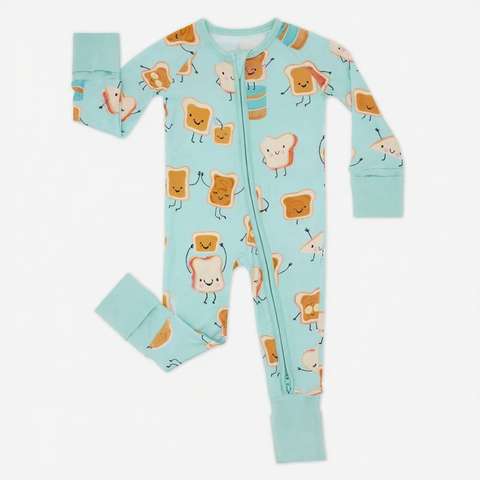
Custom Bamboo Pajama Manufacturing: Precision Meets Comfort
Bamboo fabric has emerged as a sustainable and luxurious choice for manufacturers in recent years. Its natural softness, antibacterial properties, and eco-friendliness make it highly desirable in the textile industry. Custom bamboo pajamas, in particular, are gaining traction in the global market as they offer unparalleled comfort combined with a commitment to sustainability. In this article, we will dive deep into the technical aspects of manufacturing custom bamboo pajamas, exploring GSM (grams per square meter), fabric density, and the role of industrial machinery in achieving production excellence.
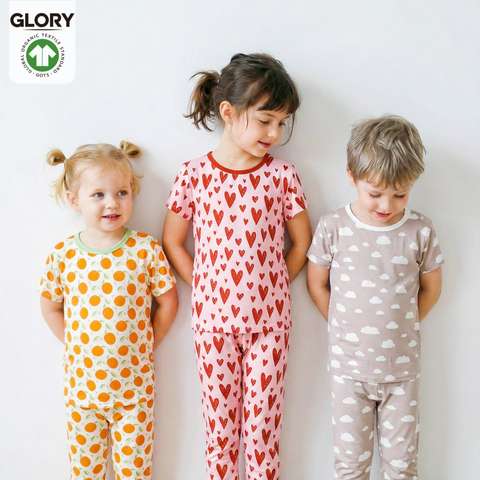
The Importance of GSM in Bamboo Pajama Fabric
When dealing with textile manufacturing, GSM is a critical specification that directly affects the quality and feel of the final product. GSM, which stands for grams per square meter, measures the weight of the fabric. It essentially quantifies how dense the material is, influencing not only the durability but also the comfort.
For bamboo pajamas, an ideal GSM ranges between 160 and 220. Lower GSM values, such as 160-180, result in lighter fabrics, which are perfect for sleepwear catering to warm climates. Meanwhile, higher GSM values, like 200-220, produce a thicker material that works well for colder temperatures. A custom bamboo pajama manufacturer must optimize GSM based on target market demands and seasonal variations, ensuring the fabric is neither too light nor too heavy for its intended use.
During production, manufacturers monitor GSM at multiple stages of the process using industrial fabric GSM cutters and digital fabric weight testers. These machines provide precision, ensuring that the final product adheres to strict B2B client specifications.
Fabric Density: Balancing Breathability and Durability
Beyond GSM, fabric density plays a crucial role in defining the texture, breathability, and longevity of bamboo pajamas. Fabric density refers to the number of warp and weft yarns in a square inch of fabric. The combination of bamboo fiber’s natural properties with adequate density creates a perfect environment for sleepwear that is breathable yet durable.
For custom bamboo pajamas, an optimal thread count ranges between 200 and 400. A higher thread count generally indicates a tighter weave, contributing to enhanced durability and resistance to wear. However, excessive thread density can reduce breathability, leading to heat retention. Striking the right balance ensures that the pajama fabric provides a soft, comfortable feel without compromising its structural integrity.
Advanced textile machinery such as computerized shuttleless looms is employed to maintain consistent fabric density during production. These machines are capable of producing precise weaves with minimal error, ensuring uniformity in the fabric structure. , quality control checkpoints are strategically inserted in the production pipeline to guarantee compliance with client specifications.
Industrial Machinery: The Backbone of Bamboo Pajama Production
The production of custom bamboo pajamas involves sophisticated industrial machinery that ensures accuracy, speed, and scalability. From fiber processing to final garment assembly, every stage demands specialized equipment. Below are the key categories of machinery used in bamboo pajama manufacturing, each tailored to address the unique challenges that come with the use of bamboo as a raw material.
1. Fiber Processing Equipment
The production journey begins with processing raw bamboo fibers into usable yarn. Bamboo undergoes a mechanical or chemical treatment process to extract cellulose before being spun into fibers. Manufacturers often rely on high-precision mechanical bamboo crushers and de-gumming machines to retain the fabric’s eco-friendly profile while achieving a smooth, soft texture.
2. Knitting and Weaving Machinery
After preparing the bamboo yarn, the next step involves fabric formation using knitting or weaving machines. Flatbed knitting machines are popular in creating lightweight bamboo jersey fabrics, ideal for pajamas. On the other hand, Jacquard machines are preferred for producing intricate patterns in pajama sets, adding a layer of customization.
Fully automated weaving machines ensure consistent thread tension, maintaining evenness in the fabric. This step is crucial for achieving the desired fabric density and GSM, minimizing defects and ensuring customer satisfaction.
3. Dyeing and Finishing Machines
Bamboo fibers are highly absorbent, making them ideal for vibrant, lasting dyeing. Dyeing machines such as jet dyeing equipment are employed to add color while adhering to eco-friendly practices. Manufacturers prioritize using non-toxic and AZO-free dyes to enhance the sustainability profile of their product.
Finishing processes, like fabric softening and anti-pilling treatments, are carried out using specialized fabric finishing machines. These processes ensure that the final bamboo pajamas feel luxurious and maintain their quality even after multiple washes.
4. Cutting and Sewing Equipment
Precision cutting machines such as laser fabric cutters ensure consistent sizing and shape across pajama pieces. These machines drastically reduce waste, an essential factor in sustainable manufacturing processes. Likewise, advanced sewing machines equipped with programmable stitching patterns enhance customization capabilities tailored to B2B client requirements.
5. Quality Control Systems
In premium manufacturing processes, computerized quality control systems are integrated to monitor every step—from yarn production to the final garment. Automated fabric inspection systems detect flaws such as uneven surfaces, loose threads, or color irregularities, ensuring only high-quality products leave the facility.
Customization Opportunities for Bamboo Pajamas
One of the key strengths of a custom bamboo pajama manufacturer lies in their ability to offer comprehensive customization services. Modern manufacturing facilities are equipped to accommodate a wide range of design requirements, allowing B2B clients to create unique products tailored to their markets.
Fabric Blending and Textures
Bamboo fabric can be blended with other materials like organic cotton, spandex, or modal to enhance its properties. For example, adding spandex improves stretch, while blending with cotton adds resilience. The use of dual-textured weaves or brushed bamboo fabric further elevates the pajama's softness and aesthetic appeal.
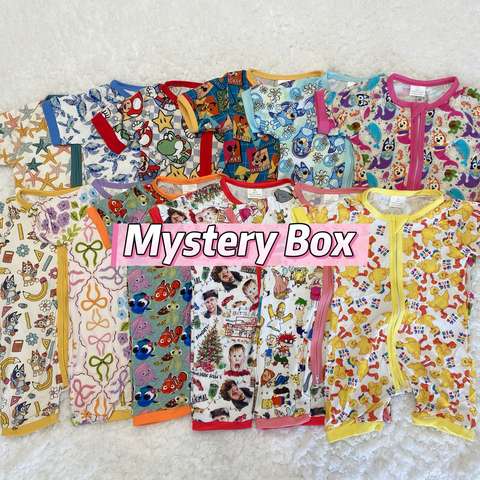
Advanced Printing and Embroidery
Digital printing and embroidery machines allow complex designs and branding elements to be easily integrated into the fabric. These capabilities make it possible for brands to offer personalized bamboo pajamas featuring logos, patterns, or monograms.
: Achieving Excellence in Bamboo Pajama Manufacturing
Manufacturing custom bamboo pajamas requires a delicate balance of technical expertise, advanced machinery, and sustainability-focused practices. From selecting the appropriate GSM and fabric density to utilizing precision-driven machinery across every stage of production, manufacturers can deliver high-quality products tailored to the needs of B2B partners.
By leveraging the inherent properties of bamboo fabric and combining it with modern technological advancements, custom bamboo pajama manufacturers are well-positioned to meet the ever-growing demand for eco-conscious and luxurious sleepwear in the global market. For buyers, partnering with a skilled manufacturer offers the assurance of premium products that align with both consumer preferences and environmental values.
| Fabric Type | Pima Cotton |
| Compliance | CPC Certified |
| Customization | OEM |
| Lead Time | 17 Days |