Bespoke Infant Baby Rompers Oem Wholesale
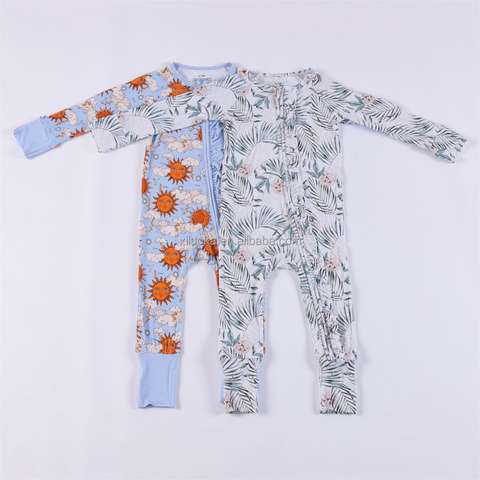
Optimizing Infant Baby Rompers Through GSM, Fabric Density, and Industrial Machinery
In the children’s apparel industry, infant baby rompers are a hallmark of comfort, durability, and practicality. To meet increasing market demands and maintain premium quality standards, manufacturers must refine their production processes with a deep understanding of GSM (grams per square meter), fabric density, and the role of industrial machinery in streamlining operations. This technical exploration aims to guide manufacturers in producing efficient, sustainable, and high-quality infant rompers for businesses that prioritize durability and fabric innovation in baby apparel.
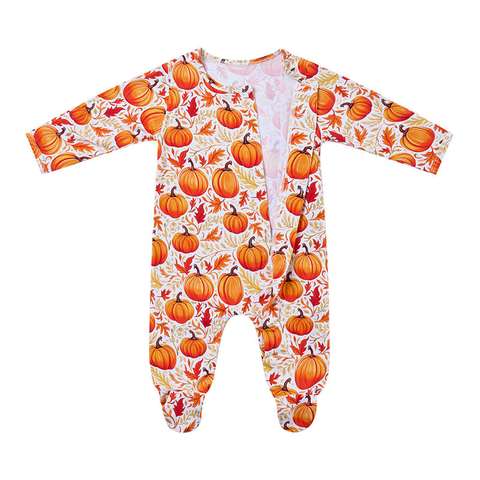
The Role of GSM in Infant Baby Romper Fabric Selection
The term GSM—grams per square meter—plays a critical role in the textile industry, especially for baby clothes like rompers. GSM measures the weight of fabric and is directly linked to thickness and durability. Baby romper fabrics undergo rigorous testing to ensure optimal comfort while meeting safety standards.
For rompers, the preferred GSM typically falls between 160 and 200, depending on the fabric type, seasonality, and functionality. A lower GSM translates to lightweight fabrics suitable for warmer climates, while higher GSM ensures thicker and warmer materials for colder environments. From jersey knits to French terry, selecting the right GSM is crucial to maintaining the softness and breathability babies require.
Fabric Density: A Crucial Factor in Durability and Performance
Fabric density, defined as the number of threads per inch woven into fabric, is another pivotal consideration. A higher fabric density improves the romper’s resistance to wear and tear, especially under frequent wash cycles. For infant baby rompers, manufacturers must prioritize both density and softness to ensure longevity without compromising comfort.
The interplay between GSM and density is especially pertinent for materials like organic cotton, bamboo blends, and modal fabrics—popular choices for baby rompers due to their hypoallergenic properties. A fabric with a GSM of 180 combined with a thread count exceeding 300 ensures a perfect balance of durability and softness. Such combinations are integral to achieving premium quality for rompers designed for the delicate skin of infants.
Industrial Machinery and Quality Fabric Production
To meet the technical requirements of infant baby rompers, manufacturers must rely on advanced industrial machinery for weaving, knitting, and finishing processes. Each stage of production can significantly influence the quality and functionality of the final product. Below, we explore key machinery types and their roles in romper manufacturing:
Knitting Machines: The Foundation of Soft and Stretchable Fabrics
Knitted fabrics dominate baby romper production due to their elasticity and comfort. Circular knitting machines play a central role in creating jersey knits, rib knits, and interlocks, which balance stretch and recovery while maintaining soft textures. Advanced knitting machines come equipped with computerized systems to control single and double-knit patterns, ensuring consistent GSM and thread density across batches. These machines allow manufacturers to adapt quickly to design trends while maintaining efficiency.
Weaving Machines for High-Performance Fabrics
Air-jet and rapier weaving machines are ideal for producing woven baby romper fabrics when durability is prioritized. These machines ensure tight and uniform thread densities, creating robust fabrics suited to active infants. Although woven rompers are less common, some markets demand such products for cooler seasons. Precision in weaving directly impacts thread alignment, density consistency, and GSM, contributing to stronger yet lightweight fabrics tailored for infants.
Dyeing, Printing, and Finishing: Final Machinery Touches
The visual and tactile appeal of baby rompers is closely linked to dyeing and finishing processes. High-speed rotary screen printers are frequently employed for adding playful patterns and prints in vibrant colors that appeal to the infant apparel sector. Eco-friendly dyes and techniques aligned with OEKO-TEX certification standards are increasingly important in meeting sustainability requirements, ensuring safe use for sensitive baby skin.
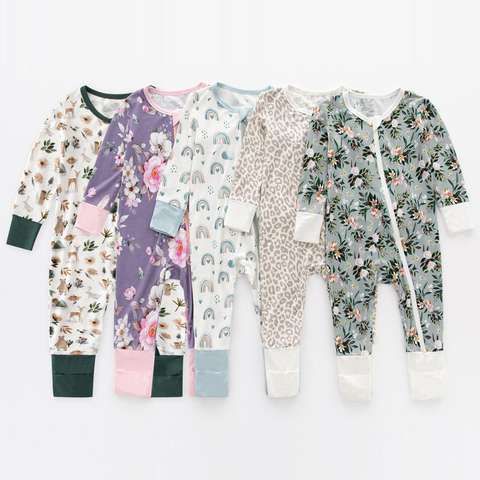
Fabric finishing machinery, such as sueding machines and calenders, improve the smoothness and softness of infant rompers. These processes enhance the fabric feel while securing durability and allergen-free performance. By combining industrial machinery with thoughtful fabric engineering, manufacturers can produce a romper that adheres to both technical and aesthetic standards.
Enhancing Efficiency in Romper Manufacturing Through Innovation
As the infant apparel market grows, the demand for efficiency has never been higher. Manufacturers are investing heavily in automation and Industry 4.0 technologies to streamline production processes. Real-time monitoring systems linked to knitting and weaving machinery allow precise control over fabric weight, GSM, and density, minimizing errors and wastage.
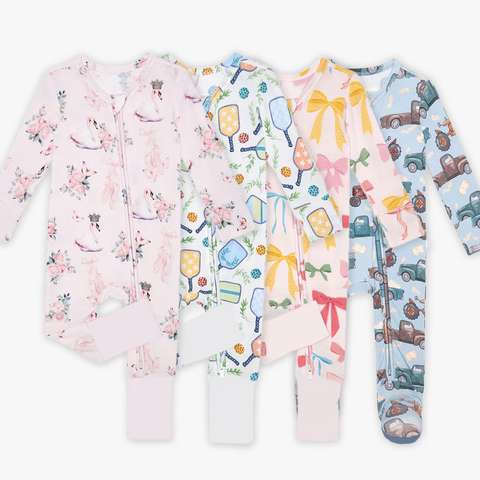
| Fabric Type | Organic Bamboo |
| Compliance | OEKO-TEX 100 |
| Customization | Custom |
| Lead Time | 40 Days |
Automated cutting machines further optimize factory output by reducing manual labor and ensuring precise fabric cuts. This technology significantly enhances the scalability of baby romper production while improving consistency across product lines, ensuring bulk orders maintain uniform quality.
Sustainability: A Growing Priority in Infant Romper Production
The infant clothing industry is increasingly moving toward sustainable practices. Organic and biodegradable materials like cotton, bamboo, and Tencel are becoming standard choices for rompers. Industrial machinery plays a pivotal role in enabling this transition, as modern machines are designed to handle sensitive, eco-friendly yarns efficiently.
Additionally, manufacturing processes now feature waterless dyeing equipment and mechanical recycling systems to reduce waste. Investing in machinery that supports sustainability not only positions manufacturers favorably in the market but also ensures compliance with growing environmental regulations.
Final Thoughts on Optimizing Infant Baby Romper Production
The infant baby romper market is driven by innovation, quality, and sustainability. Technical mastery over GSM and fabric density, coupled with the strategic use of advanced industrial machinery, is essential for manufacturers seeking to produce high-performing rompers for B2B clients. By balancing durability, softness, and comfort while meeting production efficiency demands, businesses can establish themselves as leaders in this competitive niche.
Ultimately, the success of a romper production line hinges on precision: from selecting the right combination of GSM and density to adopting cutting-edge machinery that aligns with market trends. Emphasizing these technical factors ensures both functional and aesthetic excellence, paving the way for sustainable growth and lasting business partnerships.