Cpc Certified Baby Bamboo Pajamas Astm F963 Vendor
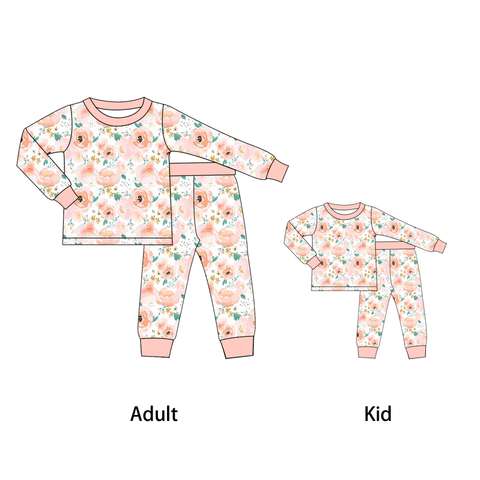
The Advanced Science Behind Baby Bamboo Pajamas
Baby bamboo pajamas represent a perfect confluence of comfort, sustainability, and advanced textile engineering, making them an increasingly preferred choice in the children's clothing industry. From their luxurious texture to their outstanding breathability, bamboo-derived fabrics stand out among traditional cotton or synthetic counterparts. For manufacturers, understanding concepts like GSM (grams per square meter), fabric density, and the role of industrial machinery in production is critical for optimizing the performance and quality of these garments. Let us delve into the technicalities that define baby bamboo pajamas.
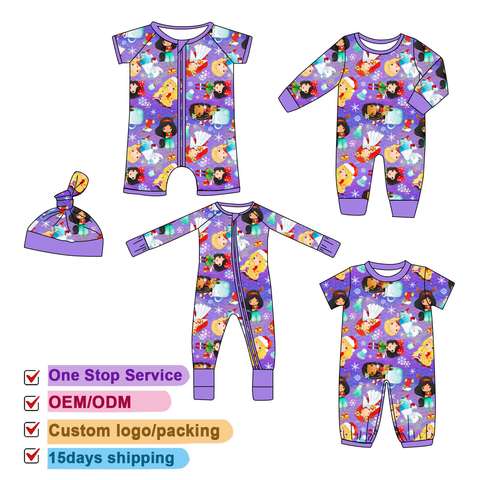
Understanding GSM and Its Importance
GSM serves as one of the most significant metrics when evaluating fabric quality for baby products. Specifically, GSM refers to the weight of the fabric per square meter and provides an indicator of both durability and comfort. In the context of baby bamboo pajamas, achieving the ideal GSM balance is vital. Too high a GSM may result in a thick, heavy fabric unsuitable for sensitive baby skin, while too low a GSM could result in fragile, non-durable fabric that wears or tears easily.
Bamboo-derived textile typically ranges between 150 and 300 GSM for soft, wearable garments. For baby pajamas, the sweet spot would be around 160 to 200 GSM, ensuring a lightweight feel while maintaining robustness. Advances in weaving technology allow industrial machinery to ensure consistent GSM standards, enhancing the final product's feel and performance across batches of production.
The Role of Fabric Density in Bamboo Pajamas
Fabric density is a closely related but distinct concept from GSM. While GSM focuses on weight, fabric density pertains to the tightness of the yarns woven into a fabric. For delicate baby skin, optimal fabric density eliminates the potential for rough surfaces while enhancing durability and thermal insulation.
Bamboo’s natural fibers are inherently soft and allow for high-density weaves without sacrificing breathability. Industrial knitting machines can precisely achieve consistent fabric densities by controlling stitch length, thread tension, and loop dimensions. High-density bamboo knit fabrics are particularly valued for their ability to protect babies from skin irritations and rashes—a common concern among parents shopping for baby sleepwear.
Key Advantages of Bamboo Fabric for Baby Pajamas
To understand why bamboo is quickly becoming a staple for baby pajamas, one must look beyond GSM and fabric density. Bamboo fiber itself boasts intrinsic properties that enhance the functionality and sustainability of the fabric.
- Moisture-Wicking: Bamboo fabric has a natural ability to wick moisture away from the skin, keeping babies cool and dry.
- Anti-Bacterial Properties: Bamboo naturally resists bacterial growth, reducing odors and enhancing hygiene.
- Thermal Regulation: It keeps babies warm in winter and cool in summer due to superior breathability.
- Eco-Friendliness: Bamboo’s rapid regrowth and minimal water requirements make it a sustainable resource for textile production.
These benefits make bamboo a technically superior fabric material, especially for applications demanding both function and safety, such as baby sleepwear.
Applications of Industrial Machinery in Fabric Production
Creating baby bamboo pajamas with consistent quality and precise properties requires advanced industrial machinery. Several critical processes rely on state-of-the-art equipment:
Fiber Extraction
The journey begins with bamboo plant extraction. Industrial machinery processes bamboo pulp, breaking down its cellulose fibers. Chemical refinement, often using eco-friendly solvent-based methods like the lyocell process, ensures the fibers retain their softness without harsh chemical residues.
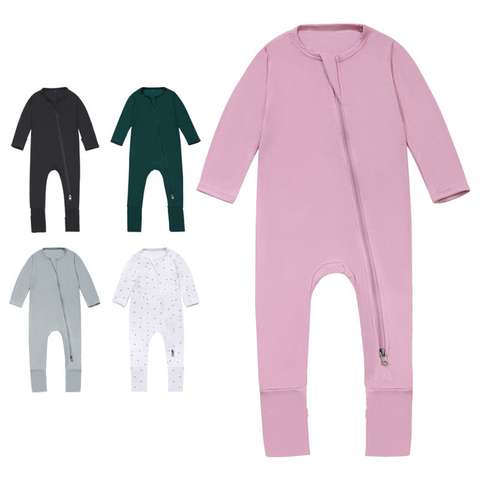
Yarn Spinning
Once bamboo fibers are refined, spinning machines produce fine yarn of consistent diameter and strength. Automated spinning processes ensure standardization of thread tension and uniformity, which in turn affects the fabric density and GSM parameters down the production line.
Weaving and Knitting
Industrial weaving and knitting machines define the structural quality of the fabric. For baby pajamas, interlock, ribbed, or jersey knit patterns are commonly adopted to ensure maximum flexibility and softness. Automated controls in modern machines allow manufacturers to opt for specific fabric densities and patterns, ensuring baby bamboo pajamas meet stringent quality and comfort standards.
| Fabric Type | Pima Cotton |
| Compliance | GOTS Organic |
| Customization | ODM |
| Lead Time | 37 Days |
Dyeing and Finishing
Eco-conscious dyeing techniques like waterless dyeing machines or low-impact dyes are gaining popularity in bamboo textile production. Post-dyeing, finishing equipment applies treatments to enhance the fabric's anti-microbial and anti-static properties. Softening machines are also deployed to refine the final texture, making them suitable for infant skin.
Balancing Sustainability and Efficiency in Production
Bamboo offers an inherently sustainable alternative to synthetic blends or pesticide-intensive cotton. However, sustainability efforts must align with the energy efficiency and waste management strategies of industrial operations. Modern manufacturing setups incorporate advanced machinery that minimizes resource consumption while maintaining output quality.
For example, closed-loop systems in fiber processing machinery and water recycling units in dyeing operations significantly reduce environmental footprint. Manufacturers can further lower their carbon impact by integrating AI algorithms to monitor energy usage and proactively adjust machinery settings for optimal efficiency.
: The Future of Baby Bamboo Pajamas
Baby bamboo pajamas offer a superior textile solution due to their softness, durability, and sustainability. However, producing these high-quality garments involves a careful interplay of multiple technical factors, including GSM, fabric density, and industrial machinery precision. To remain competitive, manufacturers must adopt state-of-the-art technology and maintain rigorous quality standards while addressing the growing demand for eco-friendly clothing.
As consumer awareness around sustainable materials grows, the prospects for bamboo textiles in baby apparel look promising. By leveraging advanced industrial systems and precision-based engineering, B2B stakeholders in this sector can deliver innovative and environmentally responsible products that meet both parent and retailer expectations.