Cpc Certified Bamboo Zipper Pajamas Oekotex 100 Supplier
The Rise of Bamboo Zipper Pajamas in Modern Textile Manufacturing
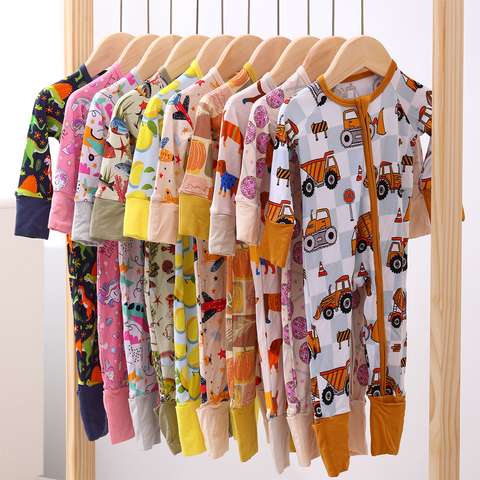
Bamboo zipper pajamas have become a popular choice in the textile industry due to their eco-friendliness, comfort, and thermal regulation properties. These garments combine the benefits of bamboo-based fabrics with the convenience of secure yet smooth zippers. However, producing such a product involves a complex interplay of variables, including fabric density, GSM (grams per square meter), and precision machinery. This article explores the technical aspects that go into crafting high-quality bamboo zipper pajamas for retail and industrial production.
Understanding GSM and Its Role in Bamboo Pajamas
GSM, or grams per square meter, is a critical metric in the textile industry that determines fabric weight. For bamboo zipper pajamas, GSM can directly impact the garment’s comfort, durability, and usability. Typically, the GSM for bamboo-derived fabrics used in sleepwear ranges between 180 and 250, striking a balance between lightweight breathability and insulation.
A lower GSM of around 180 provides a softer, more breathable feel, making it ideal for warmer climates. On the other hand, a higher GSM near 250 ensures durability and warmth, which is more suitable for colder regions. Manufacturers need to carefully select the GSM based on their target market while factoring in the shrinkage and stretch properties that are inherent to bamboo fiber blends.
When determining the optimal GSM for bamboo zipper pajamas, it is essential to consider the blend of materials used. Pure bamboo fabrics often have a slightly different GSM behavior compared to blends such as bamboo-cotton or bamboo-lycra. These blends not only impact the feel and stretchiness of the fabric but also influence the garment's drape and movement.
The Importance of Fabric Density
Fabric density plays a significant role in the quality and performance of bamboo zipper pajamas. Density refers to how tightly the yarns are woven or knitted together. A dense weave generally results in increased durability and improved thermal insulation, but it can also impact breathability. For bamboo fabrics, striking the right balance between density and performance is key, as bamboo fibers are known for their natural softness and ventilation properties.
Industrial looms are used to produce the desired density in bamboo textiles. For pajamas, single jersey or interlock knitting is commonly employed. Single jersey is lighter and has more stretch, making it ideal for warmer climates and close-fitting garments. Interlock knitting, on the other hand, produces a thicker, sturdier material that retains body warmth, making it more suitable for cooler environments. These machines use precision tension control and advanced yarn feeding mechanisms to maintain consistency in fabric density.
Additionally, manufacturers must account for shrinkage during pre-production testing. Bamboo fabric tends to shrink more than other textiles like polyester or cotton, particularly after the first wash. This makes pre-treatment and finishing processes, such as enzyme washing and pre-shrinking, essential steps in maintaining the consistency of fabric density in the final garment.
The Role of Industrial Machinery in Manufacturing Bamboo Zipper Pajamas
Industrial machinery is at the heart of bamboo zipper pajama production. From spinning and knitting to sewing and finishing, each step leverages cutting-edge technology to ensure quality, efficiency, and scalability in production.
Knitting and Weaving Machinery
Most bamboo fabrics used in sleepwear are knitted, with single jersey and interlock knitting machines dominating the production process. These machines benefit from digital control systems and high-speed mechanisms, allowing for faster production runs without compromising fabric quality. For woven bamboo fabrics, shuttleless looms such as rapier and air-jet looms offer high precision and lower wastage.

The choice of machinery also determines the uniformity of fabric tension, which is crucial for the proper functioning of the zipper. Uneven fabric tension can lead to puckering or misalignment when zippers are sewn onto the pajamas. Advanced machinery equipped with automated quality control features helps mitigate such risks by monitoring and adjusting tension in real time.
Garment Assembly and Sewing
Once the fabric is produced, the next step in creating bamboo zipper pajamas involves cutting, stitching, and assembling the various components of the garment. Computerized cutting machines like CAM (Computer-Aided Manufacturing) systems ensure precision in cutting fabric panels, reducing wastage and ensuring consistency in size and shape.
Sewing bamboo fabric presents unique challenges due to its softness and elasticity. Overlock and flatlock sewing machines are often used to handle bamboo’s stretch and prevent fraying along the seams. Within the assembly process, special attention must be paid to the installation of zippers. Industrial-grade zipper machines are utilized to attach zippers seamlessly, ensuring smooth operation and durability while maintaining the aesthetic appeal of the pajamas.
| Fabric Type | Pima Cotton |
| Compliance | CPC Certified |
| Customization | Custom |
| Lead Time | 29 Days |
Finishing Processes
The finishing stage ensures that bamboo zipper pajamas meet retail and consumer standards. This involves softening treatments, shrinkage tests, and quality inspections. Softening treatments such as enzyme washing improve bamboo fabric’s tactile qualities, giving it a plush, luxurious feel.
Pre-shrinking processes, often carried out using tumblers or heat-setting machines, reduce the likelihood of post-purchase shrinkage, a common concern with bamboo textiles. Manufacturers also run durability tests, including zipper functionality tests, to ensure smooth sliding and longevity through multiple washes and wears. Automated systems equipped with sensors verify the consistency and functionality of each zipper unit during production.
Challenges and Innovations in Bamboo Zipper Pajama Production
Despite the numerous advantages of bamboo fabric, manufacturing bamboo zipper pajamas is not without its challenges. The softness and natural elasticity of bamboo fibers can pose difficulties during cutting and sewing. , zippers must be carefully installed to avoid compromising fabric integrity, which often requires specialized machinery and skilled operators.
To address these challenges, industry innovation has focused on optimizing machinery and material blends. Industrial sewing machines now come equipped with advanced fabric feed technologies to handle delicate bamboo fabric smoothly. Additionally, zipper technology has evolved, with self-healing and invisible zipper options enhancing the functionality and aesthetic of bamboo pajamas.
Sustainability is another area where innovation is driving progress. Many manufacturers have adopted eco-friendly dyeing and finishing processes to enhance bamboo's environmental benefits. New developments in waterless dyeing and plant-based softeners make bamboo zipper pajamas even more appealing to environmentally conscious consumers.
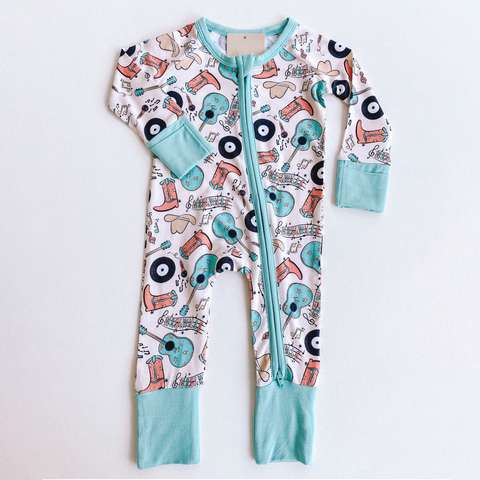
Bamboo zipper pajamas represent a harmony of comfort, functionality, and sustainability. From selecting the appropriate GSM and fabric density to leveraging advanced industrial machinery, every aspect of their production requires careful consideration. By understanding the technical nuances involved, businesses in the textile industry can deliver high-quality bamboo zipper pajamas that meet market demands for sustainability and performance.
As consumer preferences continue to evolve, the importance of technological adaptation and innovation in manufacturing cannot be overstated. Manufacturers who invest in state-of-the-art machinery and sustainable practices not only position themselves as leaders in the bamboo apparel sector but also contribute positively to the broader movement towards eco-friendly and efficient textile production.