Cpc Certified Bamboobabypajamas Cpsia Compliant Oem
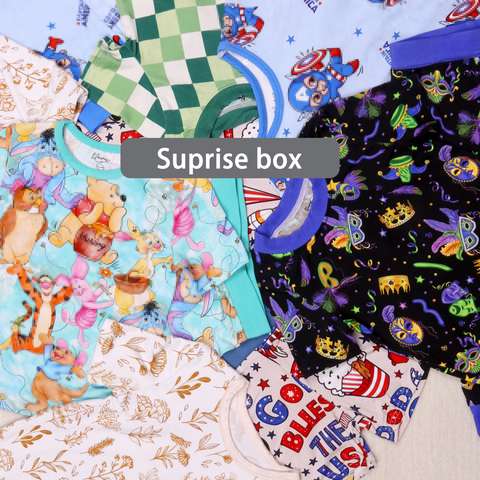
The Rise of Bamboo Baby Pajamas: Balancing Sustainability and Comfort
The textile industry has seen a transformative shift in the adoption of eco-friendly materials, and bamboo-based fabrics are becoming increasingly popular. For baby apparel manufacturers, bamboo offers unique properties that make it perfect for products like pajamas. In this article, we’ll explore the significance of GSM, fabric density, and the role of industrial machinery in producing high-quality bamboo baby pajamas for business buyers looking to embrace sustainable manufacturing practices.
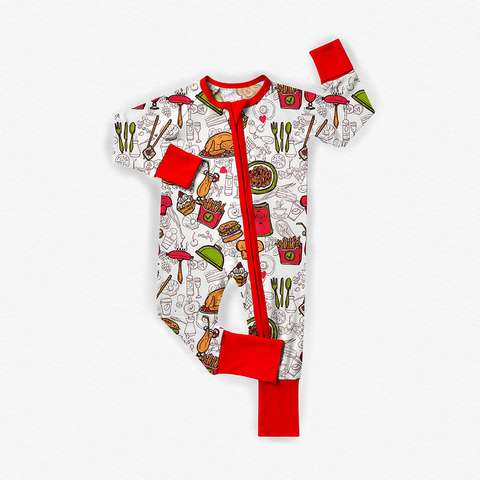
Understanding GSM and Its Role in Baby Pajamas
GSM, or grams per square meter, is a critical metric in the textile industry that measures the density of fabric. It represents the weight of the fabric in grams per square meter of material. For baby pajamas, selecting the appropriate GSM is essential to achieving the desired functionality and comfort.
Bamboo fabrics typically fall within a GSM range of 160 to 230 when used for baby pajamas. Lower GSM values, typically around 160-180, result in lightweight, breathable fabrics that are ideal for warm climates or indoor wear. Higher GSM values, such as 200-230, provide greater thickness and insulation, making them suitable for colder environments while still maintaining the softness that bamboo is known for.
Manufacturers need to carefully balance GSM during production. Excessively low GSM could compromise durability and opacity, whereas too high a GSM might lead to reduced breathability—a significant consideration for baby wear. Therefore, GSM calibration during fabric selection is paramount for producing bamboo baby pajamas with optimal comfort and performance.
The Science of Fabric Density in Bamboo Pajamas
Fabric density refers to the number of fibers or threads packed within a given area, commonly measured as threads per inch (TPI). Bamboo fabrics can have various densities, depending on the intended use and weaving pattern. Unlike synthetic materials, bamboo fibers allow for higher thread counts without compromising breathability, making them both robust and breathable.
High-density bamboo fabrics provide better durability, resistance to wear, and a smoother texture suited for delicate baby skin. For manufacturers, achieving a perfect balance between density and softness involves leveraging advanced weaving techniques. These techniques help optimize the structural integrity of the fabric while maintaining the lightness and smoothness critical to baby clothing.
Unlike traditional cotton or synthetics, bamboo's natural fiber structure enhances moisture-wicking capabilities and reduces bacterial buildup. As a result, bamboo baby pajamas made with balanced GSM and density can deliver unparalleled comfort and hygiene, offering industrial clients a competitive edge in the babywear market.
Industrial Machinery: Driving the Bamboo Revolution
The production of bamboo baby pajamas has been revolutionized by advancements in industrial machinery. From fiber extraction to fabric weaving and cutting-edge sewing, every step is supported by technology tailored for bamboo’s unique characteristics. Below, we delve into how machinery ensures optimal efficiency and quality, particularly in the context of B2B operations.
Bamboo Fiber Processing Machinery
The journey of bamboo fabric begins with extracting bamboo pulp through chemical or mechanical processes. Machinery designed for bamboo pulp processing ensures the conversion of raw bamboo into viscose rayon—a semi-synthetic form ideal for textiles. The precision required in this step is critical because uneven fiber processing could translate into inconsistencies in the final fabric’s texture and durability.
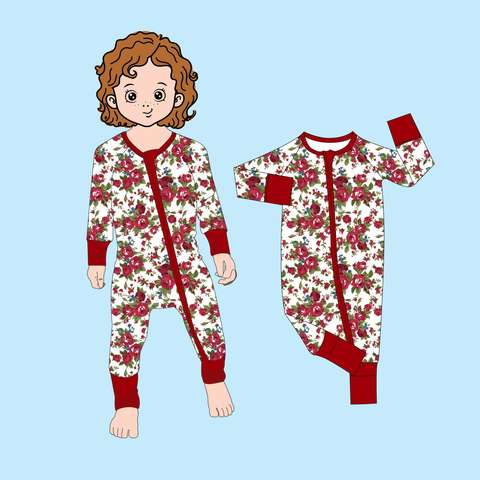
In mechanical processing, refiners equipped with advanced blades and optimized rotational speed grind bamboo into finer segments. Chemical processors use regulated temperature and pressure settings to create cellulose fibers without degrading bamboo’s natural properties. These systems integrate automated feedback loops to maintain eco-friendly production standards while scaling operations.
Weaving and Knitting Machinery
Once processed, bamboo fibers are spun into yarn using industrial spinning machines. High-speed looms and knitting machinery, specifically designed for bamboo yarns, produce textiles with consistent GSM and density output. For bamboo baby pajamas, softness and elasticity are critical. Circular knitting machines often dominate in babywear production, as they create seamless designs ideal for achieving superior comfort without irritating sensitive skin.
Combining different weave structures—such as plain, twill, and jersey—allows manufacturers to meet various performance requirements. Industrial knitting machines equipped with programmable settings simplify pattern customization and optimize output, enabling bulk production of pajamas with minimal material waste.
Automated Cutting and Sewing Systems
The final stages of production involve precision cutting and assembly. Automated cutting machines use computer-aided design (CAD) software integrated with fabric pattern layouts to avoid errors in cutting shapes. Laser cutting machines are increasingly popular for bamboo fabrics owing to their ability to deliver clean edges and accurate dimensions that prevent fraying.
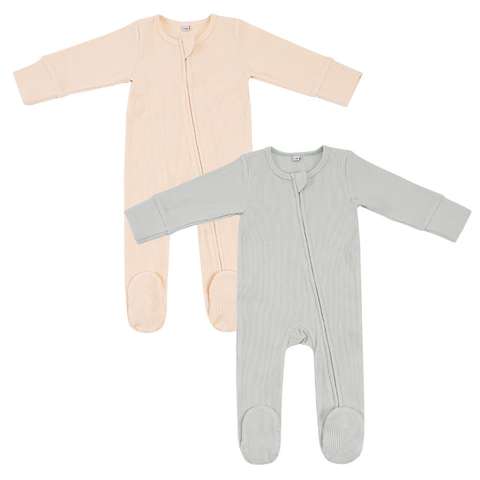
Sewing machinery today uses programmable stitching technology for bamboo fabrics to ensure seamless integration of panels without compromising stretchability or durability. Overlock stitching machines are often employed to prevent edges from unraveling, with multi-functional stitching arms providing enhanced flexibility for complex designs like baby rompers and footed pajamas.
By adopting fully integrated machinery solutions, businesses are not only improving production times but also ensuring the premium quality of bamboo baby pajamas, which stands out in competitive retail markets.
The Sustainability Edge of Bamboo Baby Pajamas
From an environmental perspective, bamboo fabric’s sustainability creates a compelling case for B2B manufacturers to transition from conventional textiles like polyester and cotton. Bamboo naturally regenerates quickly and requires fewer chemicals to process, making it one of the most eco-friendly fibers available. Manufacturers positioning themselves in the babywear segment benefit greatly from this sustainable value proposition.
Bamboo plantations are known for their minimal water requirements compared to cotton and their rapid rate of regrowth after harvesting. Additionally, the hypoallergenic and antibacterial properties of bamboo make it an ideal choice for sensitive baby skin, reducing potential concerns for parents about adverse reactions and allergies.
Industrial clients adopting bamboo-based textiles can also capitalize on market trends emphasizing sustainability. The demand for eco-conscious baby wear is on the rise, and bamboo baby pajamas combine functionality, comfort, and environmental responsibility, making them a lucrative choice for wholesalers, retailers, and boutique brands alike.
| Fabric Type | Organic Bamboo |
| Compliance | ASTM F963 |
| Customization | OEM |
| Lead Time | 24 Days |
Collaborating with Bamboo Apparel Suppliers: Keys to Success
For B2B buyers entering the bamboo baby pajama market, forming strategic partnerships with reliable suppliers is essential to meet quality standards and production timelines. Suppliers operating state-of-the-art manufacturing facilities ensure that the fabric density, GSM, and other technical parameters align with client requirements.
Collaboration also involves sharing insights on consumer trends, such as preferences for organically processed bamboo or premium certifications like Oeko-Tex and Global Organic Textile Standards (GOTS). Suppliers using advanced industrial machinery aligned with these certifications can provide consistent quality, ensuring the pajamas deliver on both technical and marketing fronts.
, bamboo baby pajamas represent a critical intersection between sustainability, comfort, and innovative manufacturing practices. Through careful attention to GSM, fabric density optimization, and leveraging cutting-edge industrial machinery, manufacturers can deliver superior bamboo products to meet growing consumer demand. For industrial buyers and businesses exploring this market, the ability to work with experienced suppliers and utilize advanced technology offers unparalleled opportunities to thrive in a competitive industry while promoting environmentally responsible practices.