Cpc Certified Oekotex Certified Bamboo Pajama Custom Factory

Oeko-Tex Certified Bamboo Pajamas: Redefining Fabric Quality and Environmental Standards
In the fast-evolving textile industry, businesses are consistently striving to meet the demand for high-quality and sustainable materials. For companies involved in manufacturing and wholesale, the focus is squarely on integrating advanced certifications, fabric performance, and eco-conscious production. Oeko-Tex certified bamboo pajamas have emerged as a standout solution, offering a perfect blend of comfort, durability, and environmental responsibility. In this article, we explore the technical details of Oeko-Tex certification, the characteristics of bamboo fabric, such as GSM (grams per square meter) and fabric density, and the role of industrial machinery in the production process.
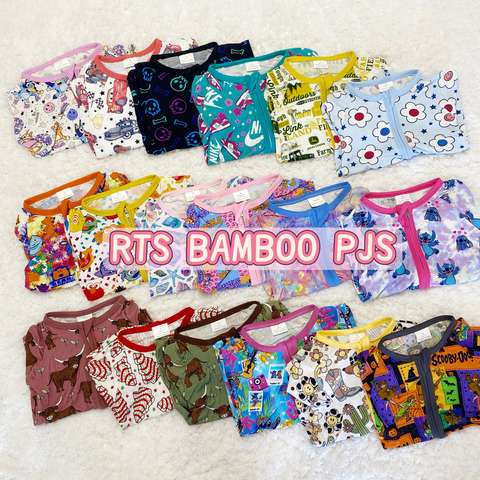
What Does Oeko-Tex Certification Mean?
Oeko-Tex certification, specifically the STANDARD 100 label, is a globally recognized mark that guarantees the safety and sustainability of textiles. For B2B buyers, this certification ensures that the fabric is free from harmful substances at all stages of production, from raw materials to finished goods. Bamboo fabric that holds this certification offers the assurance of chemical compliance and an eco-friendly supply chain, making it an excellent choice for companies aiming to deliver high-quality and ethical products.
Understanding Fabric Density and GSM in Bamboo Pajamas
When discussing bamboo fabric used in pajamas, two critical parameters are fabric density and GSM. Both directly influence the performance, durability, and softness of the final product.
Fabric Density Explained
Fabric density refers to the number of yarns or threads per unit of area, usually measured in square centimeters. It plays a significant role in determining the strength and performance of the fabric. A higher fabric density generally translates to better durability and enhanced comfort, making it an essential consideration for sleepwear, where skin-friendliness and breathability are priorities. Bamboo fabrics designed for high-performance pajamas typically feature densities that strike a balance between lightweight comfort and superior strength.
GSM (Grams Per Square Meter)
GSM is a measure of fabric weight used to evaluate the thickness and quality of textiles. A higher GSM indicates a thicker fabric, while a lower GSM corresponds to a lighter fabric. Bamboo pajamas generally fall into a GSM range of 150 to 250, depending on whether the garment is designed for summer or winter use. For lightweight, breathable summer pajamas, a GSM value of around 160 is typically ideal. On the other hand, thicker, warmer options for cooler climates require a GSM closer to 220 or higher.
The balance of GSM and fabric density is crucial for ensuring that bamboo pajamas meet customer needs, whether that's lightweight comfort for hot summer nights or cozy warmth for winter. By leveraging these parameters, manufacturers can offer a diverse product line tailored to various markets.
The Role of Industrial Machinery in Producing Bamboo Pajamas
The production of high-quality Oeko-Tex certified bamboo pajamas relies heavily on advanced industrial machinery. This ensures precision, efficiency, and sustainability in the manufacturing process. Let’s examine some key machinery and processes involved in creating these garments.
Yarn Spinning Machinery
Bamboo fabric production begins with bamboo pulp, which is processed into fibers and spun into yarn. Modern spinning machinery is designed to handle the unique properties of bamboo fibers, ensuring a consistent and fine thread count. Advanced ring spinning and compact spinning systems offer higher productivity while minimizing waste, an essential factor for Oeko-Tex compliance.
Knitting and Weaving Machines
Once the bamboo yarn is ready, it moves to the knitting or weaving process. Circular knitting machines are typically used to create the smooth and stretchable fabric suitable for pajamas. In contrast, woven bamboo fabrics are produced on modern rapier or air-jet weaving machines for greater precision and strength. These machines are equipped with tension control systems that ensure even fabric density, critical for maintaining the desired GSM during production.
Dyeing and Finishing Systems
For bamboo pajamas to achieve Oeko-Tex certification, the finishing and dyeing processes must adhere to strict chemical usage guidelines. Jet dyeing machines and continuous dye ranges are designed to use minimal water and dye, meeting sustainability requirements. Additionally, finishing machines apply treatments like softening, moisture-wicking coatings, or antimicrobial finishes to enhance the pajamas’ comfort and functionality.
Cutting and Stitching Automation
The final stages of production involve cutting the bamboo fabric into patterns and stitching them together. Automated cutting machines, equipped with laser or CNC technology, ensure precision and reduce fabric wastage. Meanwhile, high-speed sewing machines with flatlock stitching capabilities create durable and seamless finishes, essential for maximizing comfort and minimizing irritation during sleep.
The Benefits of Choosing Oeko-Tex Certified Bamboo Pajamas
Choosing to produce or stock Oeko-Tex certified bamboo pajamas provides several advantages for businesses, from meeting regulatory compliance to appealing to environmentally conscious consumers.
Assurance of Safety
For B2B buyers, Oeko-Tex certification guarantees that the bamboo fabric is free from harmful substances. This is vital for ensuring customer trust and meeting stringent national and international safety standards for textiles.
Eco-Friendly Appeal
Bamboo fabric itself is known for its eco-friendly properties, such as fast growth, minimal water usage during cultivation, and biodegradability. Adding Oeko-Tex certification further reinforces this sustainability narrative, appealing to buyers and brands focused on reducing their environmental footprint.
| Fabric Type | Organic Bamboo |
| Compliance | ASTM F963 |
| Customization | OEM |
| Lead Time | 24 Days |
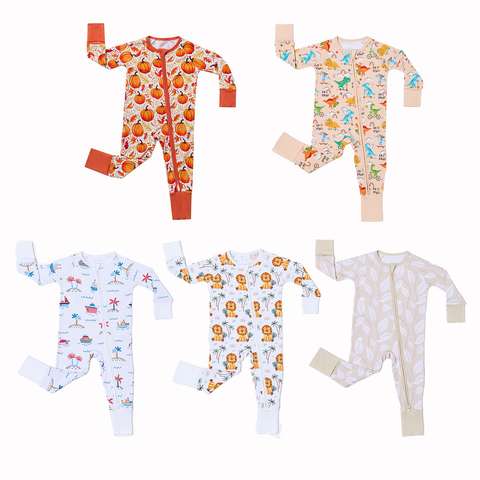
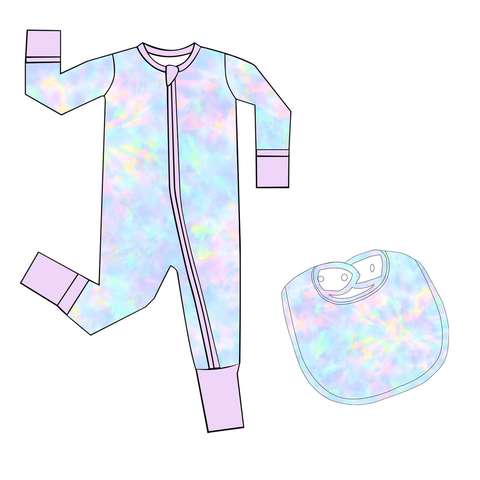
Enhanced Comfort and Performance
Oeko-Tex certified bamboo pajamas offer superior softness, breathability, and moisture-wicking properties. These qualities make them an ideal choice for sleepwear, as they ensure comfort across a wide range of climates. Additionally, the certification also guarantees that skin-friendly fabrics are used, making them suitable for sensitive skin.
Market Differentiation
The growing consumer demand for environmentally friendly and certified products means that Oeko-Tex certified bamboo pajamas can serve as a unique selling point in highly competitive markets. Ensuring that your products carry this certification boosts their market appeal and helps companies differentiate themselves from competitors.
: The Future of Sustainable Apparel
As consumers and businesses increasingly prioritize sustainability and performance, Oeko-Tex certified bamboo pajamas represent an excellent opportunity for companies involved in textiles and apparel. Understanding technical parameters like fabric density and GSM, as well as leveraging advanced industrial machinery, is crucial for producing garments that meet both consumer expectations and regulatory requirements.
For B2B buyers and manufacturers, investing in such high-quality, sustainable products aligns with long-term trends in the textile industry. By choosing Oeko-Tex certified bamboo pajamas, companies can deliver comfort, reliability, and eco-consciousness to their customers, while also contributing to a more responsible and innovative future for the sector.