Cpsia Compliant Baby Pajamas Bamboo Ready To Ship Custom Wholesale
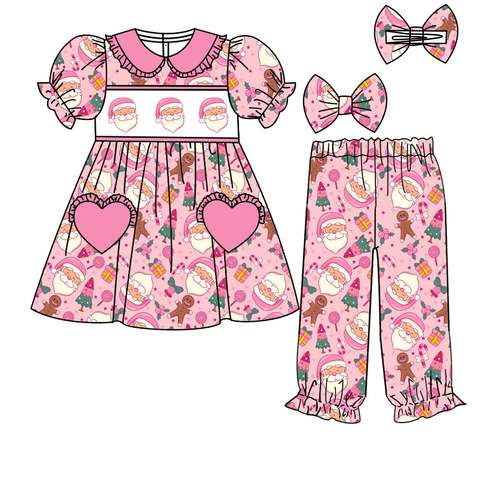
Understanding the Fabric and Production Process of Bamboo Baby Pajamas
In the business-to-business (B2B) apparel industry, discussions about efficiency, material quality, and production technologies are critical. When it comes to bamboo baby pajamas that are ready to ship, these factors become even more significant given the sensitivity of the target demographic – infants and toddlers. This article will explore the key industrial factors such as GSM (grams per square meter) measurements, fabric density, and the cutting-edge machinery that delivers comfortable, eco-friendly, and durable bamboo garments.
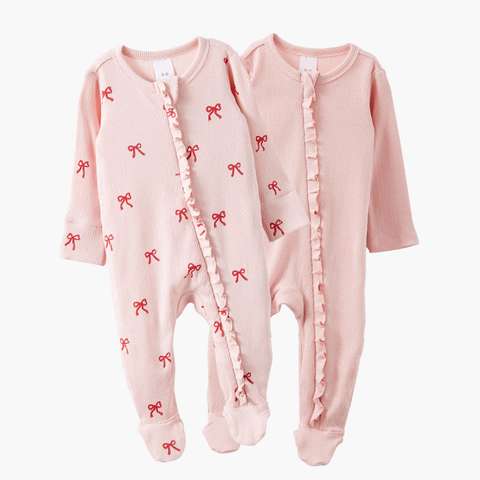
The Role of Bamboo in Baby Pajamas
Bamboo fabric has gained immense popularity as a preferred material for baby clothing, given its sustainability, softness, and hypoallergenic properties. For businesses in the infant apparel industry, sourcing pre-made bamboo baby pajamas ensures immediate access to this highly demanded market segment while eliminating delays associated with custom manufacturing.
However, producing high-quality baby pajamas from bamboo requires a precise application of technical considerations. Bamboo, as a raw material, possesses fibers that can be converted into rayon or viscose through a meticulous chemical and mechanical process. The result is a fabric known for its smooth texture, high breathability, and excellent thermal regulation – all critical attributes for infant wear.
Importance of GSM for Baby Pajamas
GSM, short for grams per square meter, is one of the most critical metrics for assessing fabric quality and suitability for specific applications. For baby pajamas, an optimal GSM ensures that the garment is light, soft, and gentle against a baby’s delicate skin, while still being durable enough to withstand repeated washes.
For bamboo baby pajamas, the ideal GSM range typically falls between 150 and 250, depending on the desired thickness and purpose of the product. Pajamas with a GSM of 150-180 are typically lightweight and appropriate for summer, providing softness while keeping the baby cool. In contrast, a GSM closer to 250 caters to colder weather by offering increased warmth and structure.
Manufacturers utilize digital weight measurement systems to precisely control the GSM in the production line. For B2B buyers sourcing ready-to-ship bamboo baby pajamas, GSM values should be clearly indicated to align with the clients’ expectations for seasonal and regional requirements.
Fabric Density and Its Impact on Durability and Comfort
Fabric density is another key parameter alongside GSM that influences the quality and comfort of bamboo fabrics used in baby pajamas. While GSM measures the weight of the fabric, density refers to the number of threads or yarns woven per unit area. In baby pajamas, a tight, consistent weave is preferable, as it enhances the durability of the garment and ensures that the fabric retains its shape even after frequent use.
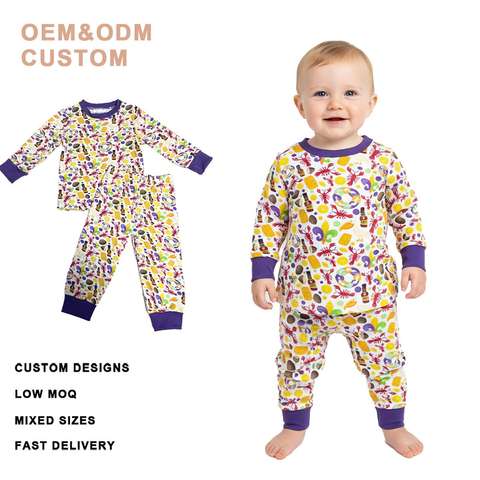
In commercial production, modern weaving machines equipped with computerized control systems are employed to produce fabrics with uniform density. For bamboo baby pajamas, the combination of a medium GSM and a dense weave offers an optimal balance of softness, stretchability, and lasting performance. Bamboo yarn’s natural flexibility also contributes to the creation of a snug yet comfortable fit, ensuring the fabric adapts to the subtle movements of an infant without causing irritation or restriction.
Utilizing Advanced Industrial Machinery in Bamboo Fabric Production
The production of bamboo-based baby pajamas that meet rigorous quality standards is heavily reliant on advanced industrial machinery. Here are the key technologies that play a pivotal role:
1. Yarn Processing and Spinning Machines
Before the fabric is woven, the bamboo fibers must undergo a spinning process to create fine yarns. Modern spinning systems incorporate automation and high-speed capabilities to process bamboo efficiently without compromising the integrity of the fibers. Open-end spinning and ring-spinning machines are commonly used to enhance yarn strength and uniformity.
2. Circular Knitting Machines
Once spun into yarn, the material is often processed using circular knitting machines to form soft, stretchable fabric. These machines are instrumental in producing bamboo fabric with minimal wastage, ideal stretch properties, and consistent loop structures. Circular knitting technology also enables manufacturers to produce stretchable, seamless fabrics, which are highly desirable for sleepwear items like baby pajamas.
3. Dyeing and Finishing Equipment
Bamboo fabric’s dye-absorption rate is particularly high, allowing for vibrant and long-lasting colors in baby pajamas. State-of-the-art dyeing and finishing equipment ensures that the fabric achieves colorfastness without compromising its hypoallergenic properties. Additionally, finishing techniques such as calendaring and sueding enhance the final texture of the fabric, making it soft and luxurious for infant use.
4. Automated Cutting and Sewing Machines
To ensure uniform sizing and minimize waste, manufacturers use laser-guided or computer numeric controlled (CNC) cutting machines. These systems precisely cut the bamboo fabric into patterns for baby pajamas. Subsequent sewing is often handled by automated stitching machines, which ensure clean, uniform seams and enhance production efficiency. This is essential in the B2B context as it allows suppliers to meet bulk orders while maintaining consistent quality.
| Fabric Type | Organic Bamboo |
| Compliance | GOTS Organic |
| Customization | Custom |
| Lead Time | 24 Days |
The Sustainability Advantage of Bamboo Baby Pajamas
Modern industrial-scale production of bamboo baby pajamas also aligns with the growing consumer focus on sustainability. Bamboo is highly renewable, as it grows quickly and requires minimal resources compared to other crops like cotton. , many fabric manufacturers are adopting closed-loop production systems to minimize environmental impact during the bamboo-to-fiber conversion process.
B2B buyers seeking ready-to-ship options should consider manufacturers that comply with OEKO-TEX® or GOTS (Global Organic Textile Standard) certifications. These standards ensure that baby products are made without harmful chemicals, making them safe for both the environment and the little ones who'll wear them.
Key Considerations for B2B Buyers of Ready-to-Ship Bamboo Baby Pajamas
B2B buyers sourcing bamboo baby pajamas for resale or private labeling must conduct thorough assessments of their suppliers. Here are some key considerations:
- Fabric Quality: Confirm GSM range, fabric density, and feel to ensure the product aligns with your market’s requirements.
- Certifications: Verify eco-certifications and safety compliance, ensuring the fabric and dyes used are free from harmful chemicals.
- Order Lead Times: Evaluate the supplier’s logistics pipeline to ensure that their ready-to-ship solutions truly align with your delivery timeframes.
- Customization Options: Some ready-to-ship bamboo baby pajamas may allow minor customizations, such as logos or branding, to cater to your specific business needs.
- Sample Testing: Always request samples to test the product under normal use conditions before committing to bulk orders.
Building a Strong Supply Chain for Baby Bamboo Pajamas
One of the primary challenges in sourcing ready-to-ship bamboo baby pajamas is securing a reliable supply chain. Working with manufacturers that utilize advanced industrial machinery and prioritize quality control will minimize delays and risks. Additionally, leveraging technology such as integrated supply chain management software can enhance order tracking and streamline the entire process. This is especially vital in the baby apparel industry, where consumer trust is paramount.
B2B buyers should also engage in open communication with suppliers regarding demand forecasting and inventory turnover. A well-organized pipeline ensures that baby pajamas are available when needed, preventing stockouts or overproduction.
Bamboo baby pajamas that are ready to ship offer B2B buyers an excellent opportunity to enter a lucrative and sustainable market segment. By focusing on the technical aspects such as GSM, fabric density, and the use of efficient industrial machinery, suppliers can deliver garments that meet the stringent quality and comfort standards expected for baby products. As customer demand for eco-conscious and safe apparel continues to grow, businesses that prioritize these aspects in their procurement and manufacturing processes will undoubtedly succeed.