Cpsia Compliant Bamboo Boy Pajamas Odm Oem
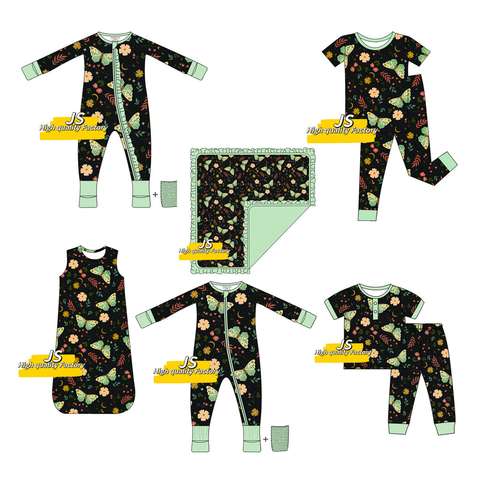
Bamboo Boy Pajamas: A Technical Perspective
Bamboo fabric has gained significant traction in the textile industry, particularly for children’s wear such as boy pajamas. With its eco-friendliness, breathability, and hypoallergenic qualities, bamboo fabric presents an excellent option for both manufacturers and consumers. Here, we dive into the technical aspects of bamboo boy pajamas, focusing on GSM (grams per square meter), fabric density, and the sophisticated industrial machinery required for production.
Understanding GSM and Its Role in Bamboo Fabrics
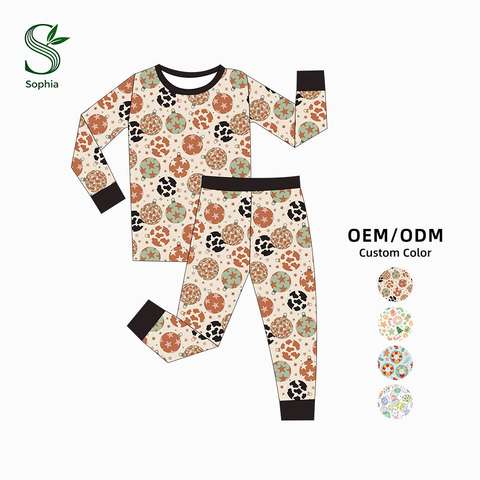
GSM (Grams per Square Meter) serves as a key metric for evaluating fabric weight and thickness. For bamboo boy pajamas, GSM plays a crucial role in determining comfort, durability, and usability. Most bamboo fabrics used in children’s clothing range between 150 GSM and 250 GSM, striking a balance between lightweight comfort and sufficient coverage.
- Lightweight Pajamas: Fabrics with a GSM of around 150 to 180 are optimal for warm climates. They allow breathability while maintaining a soft texture.
- Midweight Pajamas: GSM in the 200 to 250 range provides enhanced durability and warmth, making it ideal for cooler seasons.
Producers of bamboo boy pajamas need to consider seasonality and intended use when selecting the appropriate GSM. , it’s vital to maintain uniformity in GSM across production batches, ensuring consistent quality for the end consumers.
Bamboo Fabric Density: A Key to Durability
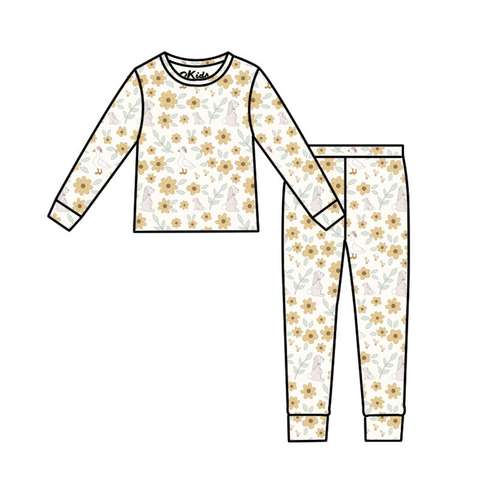
Fabric density directly impacts the tactile experience and longevity of bamboo boy pajamas. Here’s a technical breakdown:
- Weave Structure: Bamboo textiles are commonly produced using jersey or interlock weaves. Jersey weaves offer stretch and flexibility, while interlock weaves provide higher density and are less prone to pilling.
- Fiber Fineness: Fineness of the bamboo fibers influences density. Thin, uniform fibers improve the tightness of the weave and add strength to the finished fabric.
- Thread Count: Thread count, expressed as the number of threads per inch, affects both the density and softness of bamboo boy pajamas. Higher thread counts typically result in denser, more luxurious fabrics.
Manufacturers must strike a balance between fabric density and breathability. Overly dense pajamas might limit airflow, which is a major drawback for sleepwear targeted at children.
Industrial Machinery for Bamboo Pajama Production
The production of bamboo boy pajamas demands precision, which is achievable only through advanced textile machinery. Each stage of the manufacturing process from fiber processing to sewing benefits from specialized equipment.
1. Carding and Combing Machines
The first process involves converting bamboo fibers into fine, spinnable threads. High-performance carding and combing machines are required to align the fibers and eliminate impurities, ensuring uniformity in the textile structure.
2. Spinning Machines
Once the fibers are cleaned and aligned, they move to ring spinning or open-end spinning machines. These machines twist the fibers to produce yarns with desired tensile strengths and smoothness depending on GSM and fabric density requirements.
3. Knitting and Weaving Equipment
Bamboo fabrics are typically knitted for their stretch and softness or woven for enhanced durability. Circular knitting machines are commonly used for producing jersey-knit fabrics, while shuttleless looms like air-jet or water-jet looms enable efficient weaving of interlock fabrics.
4. Dyeing and Finishing Lines
To achieve the vibrant patterns or solid colors that appeal to children, dyeing machines are used with eco-friendly dyes suitable for bamboo textiles. , finishing machines add properties like anti-shrinkage, wrinkle resistance, or moisture wicking, which enhance the fabric’s performance.
Sustainability in Bamboo Pajama Manufacturing
A notable advantage of bamboo boy pajamas is their sustainability, which resonates with modern consumers. Bamboo grows rapidly and requires fewer resources compared to conventional crops like cotton. However, sustainable production requires careful consideration at every stage:

- Fiber Extraction: The mechanical extraction of bamboo fibers (as opposed to chemical processing) is more environmentally friendly. However, this approach requires robust engineering solutions to achieve high-quality fibers.
- Energy-Efficient Machines: Industrial machinery designed to minimize energy consumption reduces the carbon footprint of manufacturing.
- Water and Dye Usage: Using water-efficient dyeing techniques and eco-certified dyes align with sustainability goals.
Innovations in manufacturing equipment are rapidly advancing sustainable practices, allowing producers to market their products as environmentally responsible without compromising quality and performance.
Challenges and Opportunities in Bamboo Pajama Manufacturing
While bamboo boy pajamas present numerous benefits, there are challenges that manufacturers must address. Below, we discuss some technical hurdles and opportunities in this growing industry.
| Fabric Type | Organic Bamboo |
| Compliance | CPSIA Compliant |
| Customization | ODM |
| Lead Time | 25 Days |
Cost and Scalability
One challenge is the relatively higher cost of bamboo fabrics compared to traditional textiles like cotton or polyester. Advanced equipment and meticulous processes add to total production expenses. However, scaling up production through high-efficiency machines can reduce per-unit cost over time. Deploying automated equipment with Industry 4.0 capabilities—such as IoT-enabled monitoring systems—can significantly improve production efficiency.
Maintaining Fabric Properties
Bamboo fibers are delicate and can lose some of their desirable properties—like softness and tensile strength—during industrial processing. To mitigate this, manufacturers must use machinery designed specifically for bamboo to avoid excess pressure or abrasive techniques.
Custom Designs and Printing
Children’s pajamas require appealing aesthetics. Digital printing technology offers significant opportunities to create custom designs on bamboo fabrics. Direct-to-fabric (DTF) printers and sublimation printing techniques are well-suited to bamboo textiles, enabling vibrant, detailed prints that maintain breathability.
Compliance and Certifications
Manufacturers need to achieve certifications like OEKO-TEX® Standard 100 to ensure that the bamboo fabrics are free from harmful chemicals. Adopting technology that supports traceability—from sourcing fibers to the end product—can ensure regulatory compliance and build trust with B2B buyers.
Bamboo boy pajamas represent a growing trend within the textiles industry, combining sustainability, comfort, and innovation. By leveraging insights into fabric GSM, density, and advanced manufacturing machinery, producers can maintain high-quality standards while meeting market demand. With continued advancements in technology and sustainable practices, the potential for bamboo boy pajamas will only expand, offering significant opportunities for B2B players in the textile ecosystem.