Cpsia Compliant Bamboo Onesie Dress Private Label Manufacturer
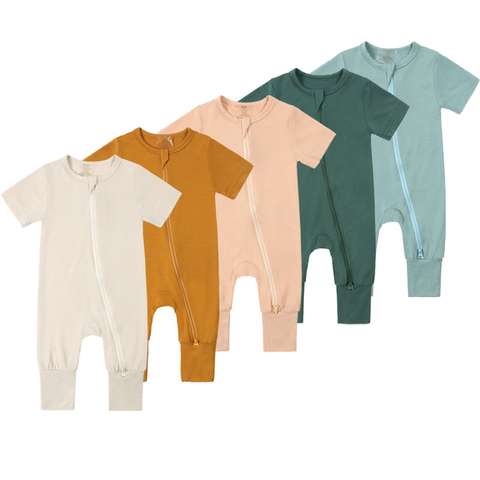
The Rise of Bamboo Onesie Dresses in the Textile Industry
Bamboo fabric has gained incredible traction in recent years due to its sustainability, versatility, and adaptability. Among its many applications, the bamboo onesie dress stands out as an innovative, eco-friendly, and functional garment perfect for consumers seeking comfort and durability. Behind this product's rise is the science of fabric density, GSM (grams per square meter), and the specialized use of industrial machinery for its production. In this article, we will examine these factors in-depth, helping businesses understand how bamboo onesie dresses contribute to the future of textile manufacturing.
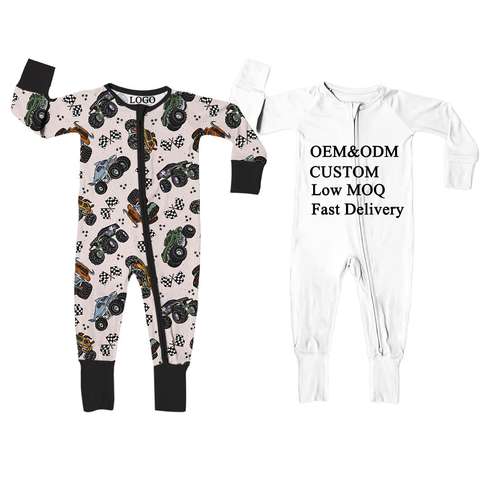
Why Bamboo Fabric?
As the demand for sustainable materials increases, bamboo has emerged as one of the most favorable ecological textiles. Bamboo fibers are known for their absorbency, moisture-wicking properties, and softness comparable to cotton yet lighter in composition. Bamboo plants grow quickly, require no pesticides, and use less water than traditional crops like cotton, making them an ideal raw material.
Bamboo fabric, when constructed properly, provides a breathable, hypoallergenic, and antibacterial material that is particularly appealing for baby and children's clothing, such as onesie dresses. This fabric is also less prone to wrinkling and performs exceptionally well in industrial textile testing for durability and abrasion resistance.
The Importance of GSM in Bamboo Onesie Dresses
For textile professionals, GSM is one of the most vital specifications when assessing fabric for specific applications. It measures the weight of the fabric per square meter and directly correlates with the density and feel of the material. GSM plays a critical role in determining the quality and end-use suitability of bamboo onesie dresses.
1. GSM Considerations in Fabric Design
Bamboo fabrics used in onesie dresses typically range between 180 GSM and 250 GSM. A lower GSM fabric, such as 180, creates a lightweight, breathable garment suitable for warmer climates or indoor usage. Conversely, a higher GSM above 220 provides additional fabric density and weight, ideal for colder conditions or a more structured onesie. GSM considerations are not merely about comfort; they affect how materials process during manufacturing, from cutting to stitching.
2. Achieving the Right Balance in Durability and Aesthetics
Fabric with inappropriate GSM can lead to poor product performance. A GSM that is too low might result in a flimsy, non-durable garment prone to easy tearing. On the other hand, excessive GSM could lead to a stiff, inelastic fabric that compromises comfort and movement. Achieving an optimal GSM in bamboo onesie dresses ensures a balance between durability, flexibility, and aesthetic appeal.
3. Precision in Measurement
Fabric manufacturers rely on specialized GSM cutters and scales to measure fabric density precisely. These instruments ensure consistency across production runs, especially when producing garments on a mass industrial scale. Quality control measures integrate GSM checks during every stage of production to meet end-user expectations.
Understanding Fabric Density and Comfort
Fabric density and GSM, though interrelated, are distinct attributes. Fabric density refers to the number of yarns per unit area, while GSM is the fabric's weight. In bamboo onesie production, these factors combine to influence the tactile experience and durability of the product.
1. Yarn Count and Thread Configuration
The yarn count significantly affects the density of bamboo fabrics. For onesie dresses, manufacturers often select single or double-ply yarns with a moderate thread count between 200-300. The thread configuration also determines the textile’s breathability; looser weaves offer higher airflow while tighter configurations yield warmer and more durable garments.
2. Circular Knitting Techniques
Circular knitting machines, widely used in the textile industry, are often employed to craft bamboo onesie dresses. These machines create a seamless knitting pattern that enhances elasticity and softness. Specifically, interlock knit structures are frequently chosen for the garment’s inner layer, offering superior comfort and strength.
3. The Relationship Between Density and Fabric Stretch
Bamboo fabric stretchability is another important parameter for onesie dresses. High-density fabrics typically provide less stretch, which may be a limiting factor in infant or toddler clothing where fit and flexibility are key. To counteract this, fabric blends (such as bamboo mixed with elastane or spandex) are employed, ensuring the material retains its form while maintaining its natural softness.
Industrial Machinery in Bamboo Textile Production
Producing eco-friendly bamboo onesie dresses on an industrial scale requires specialized equipment. From turning raw bamboo pulp into yarn to processing finished fabrics, automated machinery plays a vital role in maintaining quality, precision, and sustainability. Below, we explore the industrial technology utilized in different stages of production.
1. Extrusion Process in Bamboo Fiber Production
The manufacturing journey begins with transforming bamboo pulp into viscose fibers. This is achieved through an extrusion process. Using industrial spinnerets, bamboo pulp is treated with natural solvents and pushed through fine holes to form continuous filaments. This step directly determines the smoothness and uniformity of the resulting yarns, laying the foundation for premium textiles like onesie dresses.
2. Circular Weaving and Knitting Machines
Once bamboo fibers are processed into yarns, circular knitting and weaving machines craft the fabric. These machines are capable of adjusting tension, stitch type, and pattern to produce high-density or low-density fabrics. Knitting machines equipped with digital control units ensure precise stitch calibration, eliminating manual errors during production.
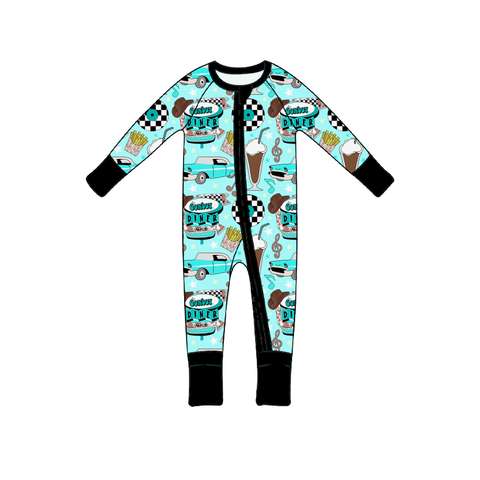
3. Dyeing and Finishing Units
Bamboo fabric’s naturally light color allows for easy dye absorption, making industrial dyeing processes highly efficient. Machines employ low-impact dyes to ensure the garments remain 100% eco-friendly. Additionally, finishing units equipped with infrared drying ensure an even, rapid drying process, preserving the fabric's natural integrity and softness.
4. Cutting and Sewing Automation
For producing bamboo onesie dresses, high-speed laser cutting machines are used to achieve precise fabric cuts. Automated sewing lines equipped with programmable pattern stitching further streamline production. These machines produce uniform garments while reducing material waste – an essential aspect of sustainable textile manufacturing.
| Fabric Type | Pima Cotton |
| Compliance | GOTS Organic |
| Customization | ODM |
| Lead Time | 32 Days |
Sustainability Meets Innovation
The bamboo onesie dress epitomizes the fusion of sustainability and textile innovation. With fabrics that are biodegradable, hypoallergenic, and organically sourced, these garments appeal to eco-conscious consumers. At the same time, advancements in GSM optimization, fabric density refinement, and industrial machinery have set new benchmarks in textile efficiency.
One groundbreaking development is the integration of AI-driven monitoring systems in production lines. These systems assess variables like tension, density, and GSM in real time, identifying defects before they escalate. Such technologies ensure enhanced quality control, increased output, and minimized material waste.
The Future of Bamboo Onesie Dresses
As the textile industry continues to evolve, the role of bamboo in sustainable garment manufacturing will only grow. Bamboo onesie dresses represent a pivotal step toward creating eco-friendly, durable clothing without compromising performance. With advancements in industrial machinery, GSM optimization, and fabric engineering, manufacturers are poised to meet the rising demand for high-quality bamboo garments.
Companies investing in this technology not only position themselves as environmental leaders but also appeal to a growing market of consumers prioritizing sustainability. By refining existing processes and embracing innovative technology, manufacturers can elevate bamboo onesie dresses to new heights, meeting B2B and consumer expectations alike.