Cpsia Compliant Custom Printed Pajamas Cpc Certified Oem
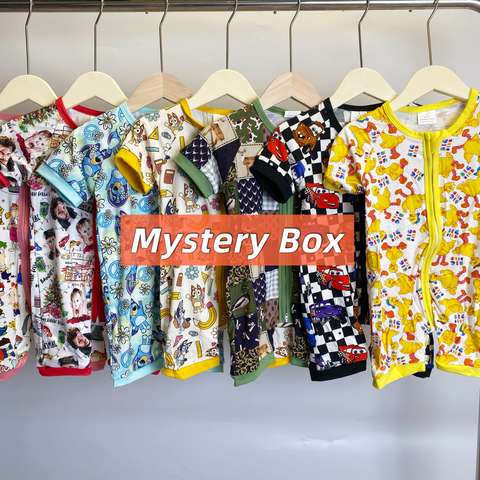
The Science and Business of Custom Printed Pajamas
Custom printed pajamas have seen a significant surge in demand, not only from consumers seeking personalized sleepwear but also from businesses aiming to offer high-quality, customized products to their clients. Behind the comfort and aesthetic of these pajamas lies a world of technical intricacies involving fabric properties, GSM measurements, and advanced industrial machinery. This article unveils the finer details of creating custom printed pajamas, making it indispensable for manufacturers and suppliers in the fabric and garment industry.
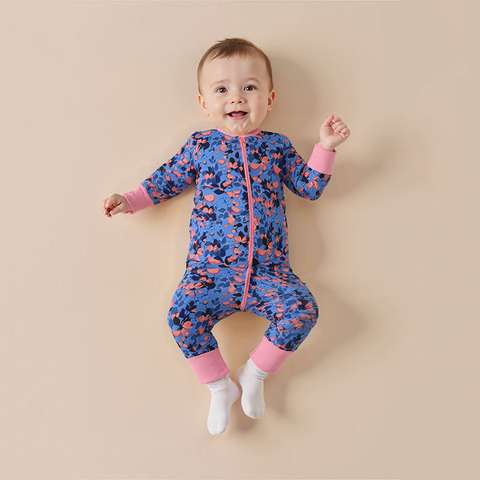
Understanding GSM and Its Role in Pajama Manufacturing
The term GSM, or grams per square meter, is a crucial metric in the textile industry. It determines the weight and thickness of a fabric and plays a key role in comfort, durability, and quality. When designing custom printed pajamas, selecting the right GSM is vital as it directly impacts the product’s end-use and consumer satisfaction.
For pajamas, GSM typically ranges between 120 and 250. Lightweight fabrics (120-150 GSM) are ideal for summer sleepwear, providing breathability and comfort. Mid-range GSM fabrics (160-200 GSM) strike a balance between warmth and thickness, making them suitable for year-round use. Heavier fabrics (200-250 GSM) are preferred for winter pajamas as they offer more insulation and durability.
Balancing GSM with intended use is crucial for achieving the perfect pajama design. Manufacturers must consider the target audience, geographic location, and seasonal demands to make an informed choice.
Fabric Density and Its Impact on Custom Printing
Fabric density refers to the number of threads or fibers per unit area of fabric. While often closely linked to GSM, it is a separate parameter that significantly affects the quality of custom printed pajamas. A higher density fabric offers a smoother surface, allowing for finer and more detailed prints. Conversely, lower density fabrics might result in blurred prints or uneven color application.
Common fabrics for pajamas include cotton, polyester, rayon, and blends of these materials. Cotton, particularly combed or ring-spun varieties, is a popular choice for its softness and high thread density. Polyester, on the other hand, offers excellent print clarity due to its uniform structure, but may lack the softness of cotton-based options. Blended fabrics provide a balance of comfort, durability, and printability, making them suitable for diverse design needs.
Thus, when selecting fabrics for custom pajamas, manufacturers must prioritize not only the GSM but also the thread count and density. This ensures that the fabric aligns with the requirements of both comfort and print intricacy.
The Role of Industrial Machinery in Custom Pajama Production
Industrial machinery is at the heart of modern pajama production. From fabric preparation to printing and stitching, advanced equipment ensures precision, efficiency, and scalability. Let’s explore some of the key machinery involved in the custom printed pajama manufacturing process:
- Digital Textile Printers: Digital printing technology enables precise and vibrant designs, making it the go-to choice for custom printed pajamas. Machines like sublimation and direct-to-garment (DTG) printers offer quick turnaround times and environmental benefits by reducing ink wastage.
- Fabric Cutting Machines: Automated fabric cutting machines use laser or CNC technology to ensure precise cutting of patterns, reducing material wastage and ensuring consistency in pajama dimensions.
- Sewing and Overlocking Machines: Modern sewing machinery, equipped with programmable functionality, ensures high-speed stitching while maintaining quality. Overlocking machines are critical for finishing edges, preventing fraying, and enhancing durability.
- Heat Press Machines: For sublimation-based printing, heat press machines play a vital role in transferring vivid prints onto the fabric by applying controlled pressure and heat.
- Steam and Press Systems: Once pajamas are stitched and printed, final processes like steaming and pressing refine the appearance, delivering a polished product ready for shipment.
Investing in the right machinery not only improves quality but also reduces production times, helping manufacturers meet market demands with ease.
Colorfastness and Environmental Concerns in Dyeing and Printing
Colorfastness is a critical consideration for manufacturers of custom printed pajamas. It determines how well the printed fabric resists fading or bleeding after washing, ensuring long-term customer satisfaction. Several factors influence colorfastness, including fabric composition, printing technique, and dye quality.
Reactive dyes are favored for cotton fabrics due to their strong bonding with cellulose fibers and high wash durability. Sublimation printing works best for polyester-based fabrics as it embeds the dye into the material, resulting in vibrant and long-lasting prints. Eco-friendly water-based inks are also gaining traction, offering a sustainable alternative without compromising print quality.
Beyond colorfastness, environmental sustainability is becoming a priority in pajama production. Manufacturers are adopting practices that minimize water and energy usage during the dyeing and printing process. For instance, direct-to-garment printers are designed to use less water compared to traditional printing methods, aligning with sustainability goals.
The Importance of Quality Control and Scalability
Quality control plays a pivotal role in the production of custom printed pajamas, ensuring consistency and adherence to client specifications. A robust quality control program typically involves inspection at multiple stages—fabric selection, printing, and stitching. Key parameters like print alignment, seam strength, thread trimming, and color consistency are tested to meet stringent industry standards.
| Fabric Type | Organic Bamboo |
| Compliance | CPC Certified |
| Customization | Private Label |
| Lead Time | 39 Days |

In addition to quality control, scalability is a crucial factor for businesses aiming to expand their offerings of custom printed sleepwear. Industrial automation, coupled with advanced Enterprise Resource Planning (ERP) systems, allows seamless scalability while reducing production lead times. Cloud-based design platforms also enable customers to upload designs and place bulk orders, streamlining the order fulfillment process.
Ultimately, maintaining high standards of quality while scaling operations is possible with a combination of skilled technicians, advanced machinery, and digital platforms for efficient management.
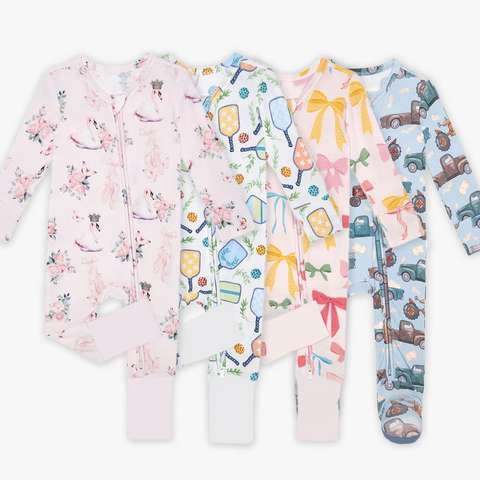
Custom printed pajamas provide a compelling blend of functionality and aesthetics, appealing to both individual consumers and corporate buyers. The technicalities behind their production—spanning GSM, fabric density, and industrial machinery—highlight the precision and innovation required to deliver superior quality garments. For manufacturers in the textile industry, understanding these elements is essential to meet growing demand while maintaining product excellence.
In a rapidly evolving market where personalization and sustainability are prime drivers, investing in high-quality materials, cutting-edge machinery, and environmentally friendly practices will position businesses for long-term success. Custom printed pajamas, when executed with a focus on technical integrity and scalability, offer a win-win solution for manufacturers and their clients alike.