Cpsia Compliant Kids Bamboo Pajama Set Children Boys Girls Pajamas Wholesale Children Clothes Toddler Clothing Baby Bamboo Romper Pajamas Set Custom Exporter
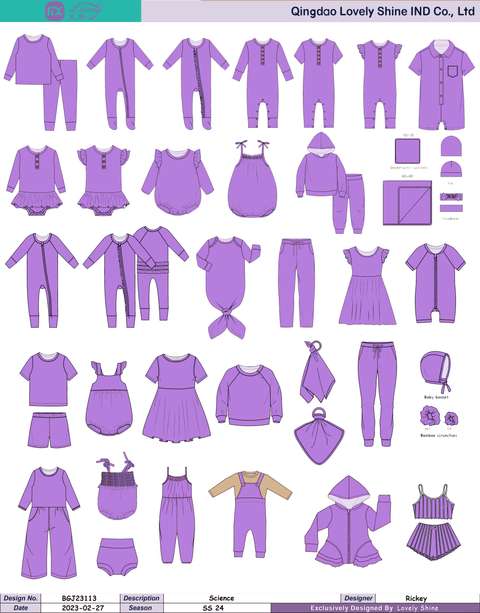
Innovations in Kids Bamboo Pajama Sets: Embracing GSM, Fabric Density, and Industrial Machinery
In the competitive world of children’s apparel, finding the right blend of comfort, durability, and sustainability is crucial. Bamboo fabric, renowned for its softness and ecological benefits, is increasingly popular in children's clothing, particularly in pajama sets. Here, we dive into the technical aspects that manufacturers and wholesalers should consider when producing bamboo pajama sets for boys and girls, exploring GSM, fabric density, and industrial machinery applications.
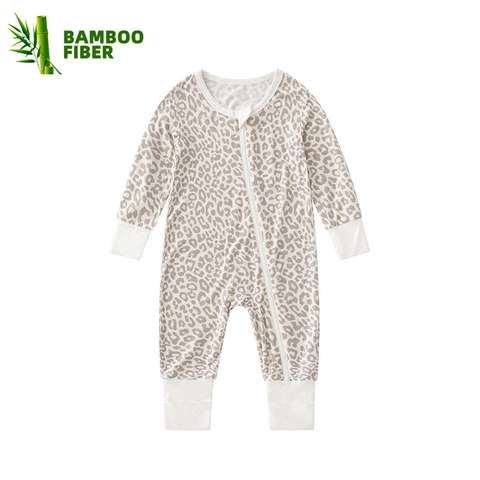
Understanding GSM and Its Importance in Fabric Selection
Grams per Square Meter (GSM) is a metric used to describe the weight and thickness of fabric. For children's bamboo pajamas, selecting the appropriate GSM is critical to ensure comfort and breathability, while also considering the seasonal demand for warmer or cooler garments. Typically, a GSM range of 150 to 200 is suitable for children's sleepwear, providing a balanced combination of lightweight comfort and sufficient durability.
The choice of GSM affects not only the feel of the fabric but also plays a role in the cost of production and retail pricing. Heavier fabrics (higher GSM) are generally more robust but can be less pliable, while lighter fabrics are softer but might compromise on tear-resistance. Manufacturers must strategically select the GSM to strike a balance between softness and strength, optimizing for the target market's needs.
Fabric Density: A Crucial Component in Bamboo Pajama Quality
Fabric density, often confused with GSM, refers to the number of fibers per given area rather than the fabric's weight. High-density fabrics mean tighter construction, often resulting in increased durability and better resistance to washing wear. For children's bamboo pajamas, achieving the right density is crucial to maintaining quality and longevity.
The density of bamboo fabric impacts not only the durability but also the feel and thermal properties. A tightly woven fabric can offer warmth and stability, making it ideal for cooler environments, while a looser weave may enhance breathability and flexibility, preferable for warmer seasons. The choice of density will also affect the fabric's stretch properties, an important consideration in ensuring pajamas fit comfortably and allow for active play.
Leveraging Industrial Machinery for Optimal Production Efficiency
In the production of bamboo pajama sets, industrial machinery plays a pivotal role in ensuring both efficiency and consistency. Modern textile manufacturing equipment, such as automated knitting machines, allows for precise control over GSM and fabric density. These machines enable quick adjustment to production parameters, ensuring that the final product meets design specifications while minimizing waste.
Advanced machinery contributes to increased production speeds and reduced labor costs, essential factors in maintaining competitive pricing in the wholesale market. Additionally, these machines can integrate sustainable practices, such as optimizing water usage and energy consumption, aligning with the ecological benefits of bamboo fabric.
For instance, computerized knitting machines can produce fabrics with consistent density and GSM, reducing the likelihood of defects. , cutting-edge dyeing equipment can ensure vibrant, long-lasting colors while adhering to environmental standards. Implementing these technologies allows for scalability, enabling large-scale production without sacrificing quality.
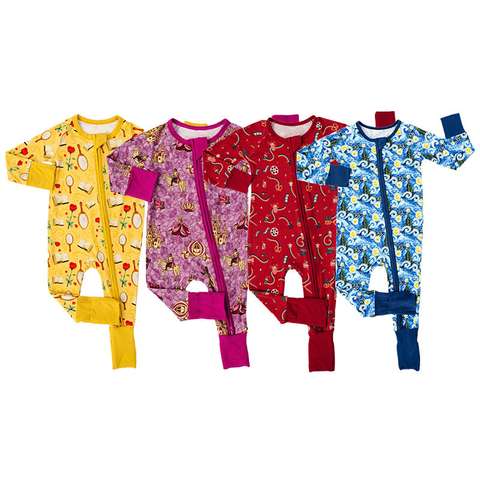
The Role of Quality Control and Sustainable Practices
A strong focus on quality control during manufacturing is critical for wholesalers aiming to deliver high-quality bamboo pajama sets. This involves rigorous testing of fabric properties, such as tensile strength, colorfastness, and shrinkage, ensuring each product maintains its integrity through multiple washes and wears.
, adopting sustainable practices throughout the production process ensures bamboo pajamas align with the growing consumer demand for eco-friendly apparel. This includes utilizing sustainable sourcing for bamboo fibers, employing environmentally friendly dyeing methods, and implementing energy-efficient machinery. Such practices not only enhance the product's appeal to environmentally conscious families but also contribute positively to the brand's image in the competitive wholesale market.
The integration of these technical considerations—GSM, fabric density, and advanced machinery—creates a robust framework for producing high-quality children’s bamboo pajama sets. As manufacturers and wholesalers navigate the evolving demands of the textile industry, embracing these innovations ensures they meet the expectations of both retail partners and end customers, delivering comfort, durability, and sustainability in every garment.
, the technical nuances of GSM, fabric density, and industrial machinery significantly impact the production of children's bamboo pajama sets, presenting opportunities for innovation and efficiency in the wholesale market. By prioritizing these elements, businesses can ensure their products stand out in terms of quality, appeal, and environmental responsibility.
| Fabric Type | Pima Cotton |
| Compliance | CPSIA Compliant |
| Customization | OEM |
| Lead Time | 26 Days |