Cpsia Compliant Magnetic Baby Romper Bamboo Infants Toddlers One Piece Footie Pajamas Bodysuit Newborn Baby Clothes Sleeper Astm F963 Exporter
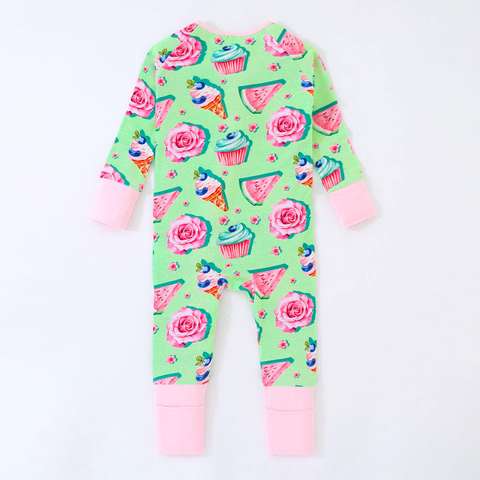
Innovating Baby Apparel: The Intersection of Magnetic Baby Rompers and Advanced Textile Engineering
When it comes to infant clothing, the balance of function, comfort, and durability is of utmost importance. Among the latest innovations in babywear, magnetic baby rompers made from sustainable bamboo fabrics are making waves. These one-piece footie pajamas offer a blend of cutting-edge magnetic closures, eco-friendly material choices, and optimal design for practicality. Behind these innovations lie critical engineering parameters such as GSM (grams per square meter), fabric density, and high-performance machinery used during production.
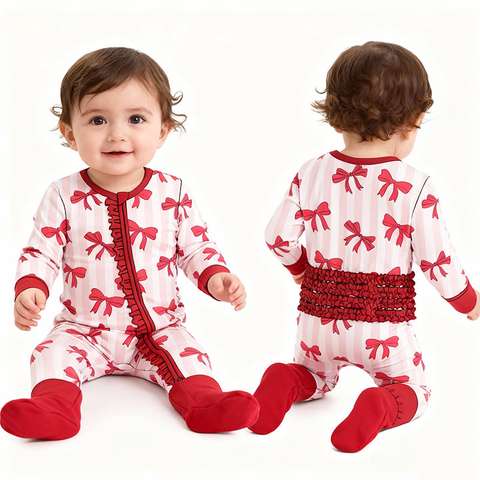
Understanding GSM and Fabric Density: The Foundation of Quality
Fabric GSM and density play pivotal roles in determining the quality and functionality of textile products. For baby apparel, these metrics become even more crucial as they influence the garment’s softness, breathability, and durability. GSM refers to the weight of the fabric per square meter—a lower GSM typically indicates a lighter and more breathable fabric, while a higher GSM implies thickness and better insulation properties. For magnetic baby rompers crafted from bamboo fabric, striking the right GSM is essential to ensure comfort without compromising safety or durability.
Bamboo-based baby clothes often use fabrics with GSM values ranging from 180 to 220. These levels provide a delicate balance suitable for infants and toddlers, ensuring breathability while maintaining a level of durability that withstands multiple wash cycles and regular wear. Fabric density, on the other hand, measures the compactness of the fibers. A fine balance between lightness and density is critical so that the fabric remains soft against the baby's sensitive skin while resisting pilling and stretching.
The Role of Bamboo in Babywear: Sustainability Meets Comfort
Bamboo has emerged as a go-to material for baby apparel manufacturers due to its eco-friendly characteristics and superior textile properties. Being naturally hypoallergenic and highly breathable, bamboo fibers ensure that the material is gentle enough for newborns and toddlers. Additionally, bamboo textiles offer excellent moisture-wicking capabilities, maintaining dryness and comfort for the baby.
From a manufacturing perspective, bamboo fabrics are significantly more sustainable to produce compared to traditional cotton. The growth process for bamboo requires minimal water and no pesticides, making it an ideal choice for conscious brands looking to reduce their environmental footprint. Combined with its inherent softness and stretch—essential for baby bodysuits and footie pajamas—bamboo offers unmatched quality in babywear.
Advanced Industrial Machinery Revolutionizing Baby Romper Manufacturing
The production of magnetic baby rompers benefits significantly from advanced industrial knitting and garment fabrication machinery, which ensures precision, efficiency, and consistent quality across large volumes of production. Here are the key technologies playing a central role:
- Jacquard Circular Knitting Machines: Used for producing the bamboo knit fabric, these machines enable intricate control over patterns, density, and GSM of the fabric. Their versatility ensures that each romper achieves the ideal stretch, elasticity, and weave necessary for dynamic usage.
- Overlock and Flatlock Sewing Machines: These industrial-grade sewing machines are critical for seamless garment construction. They ensure smooth flat seams, eliminating irritation to a baby’s skin while simultaneously reinforcing durability.
- Laser Cutting Technology: Laser cutting systems ensure precision when cutting the fabric into designated patterns. This accuracy minimizes waste and creates perfect consistency across production lines.
- Automated Magnetic Closure Integration: Perhaps the most impressive innovation is the machinery designed to embed magnetic closures seamlessly into the baby romper’s fabric. These magnets must be securely enclosed to ensure safety while maintaining garment elasticity and softness. Automated systems ensure consistent placement and encapsulation of the magnets.
Magnetic Closures: Engineering Simplified Solutions
The appeal of magnetic closures lies in their sheer ease of use. Busy parents benefit greatly from the one-hand operability of these clothing systems, enabling quick diaper changes or clothing adjustments. However, integrating magnetic elements into baby rompers introduces unique engineering challenges. Safety, durability, and compliance with global safety standards are paramount considerations.
Manufacturers often utilize rare-earth neodymium magnets due to their high magnetic strength relative to size. These magnets are encapsulated within non-toxic, food-grade materials to eliminate the risk of exposure to the infant. Additionally, these closures undergo rigorous pull-force testing to ensure they won’t become dislodged during normal wear or laundering. Industrial sewing and bonding machines, coupled with precise quality control systems, play a critical role in guaranteeing that the magnets are securely fitted within the fabric architecture.
The Testing and Quality Assurance Process
To meet stringent safety and quality benchmarks, each magnetic baby romper undergoes extensive testing. Key tests include:
- Fabric Shrinkage Analysis: Bamboo, despite its many advantages, can shrink more than other textiles. Pre-shrinking processes and testing ensure that the fabric maintains its dimensions post-laundering.
- Stress Testing of Magnetic Closures: These tests evaluate the durability of the magnet enclosures under various pull forces, guaranteeing that the closure system remains intact and functional.
- Softness Metrics: Fabrics are graded on their softness using tactile sensors to ensure customer expectations for comfort are met.
- Color Fastness Testing: Since baby clothing often undergoes frequent washing, the dyes used in bamboo fabric must be assessed for their resistance to fading over time.
Environmental Considerations: The Carbon Footprint of Magnetic Baby Rompers
As sustainability continues to influence consumer decisions, the carbon footprint of baby apparel becomes an important metric. Bamboo’s lower environmental impact—requiring fewer resources during cultivation—represents a marked advantage over traditional cotton-based garments. Additionally, advanced machinery optimized for energy efficiency reduces emissions associated with production cycles.
Brands leveraging recycled packaging materials, eco-friendly dyes, and renewable energy in their manufacturing plants further differentiate themselves as leaders in sustainable production practices. By improving energy efficiency at factories and utilizing sustainable transportation networks, these garments achieve a drastically reduced lifecycle emissions value, appealing to environmentally conscious buyers.
: Engineering the Future of Babywear
Magnetic baby rompers crafted from bamboo fabrics epitomize the perfect marriage of innovation, sustainability, and consumer-centric design. Behind their soft exteriors are meticulous engineering concepts that encompass GSM calibration, textile density optimization, and cutting-edge machinery. The integration of magnetic closures highlights the potential for functional enhancements while streamlining parental convenience.
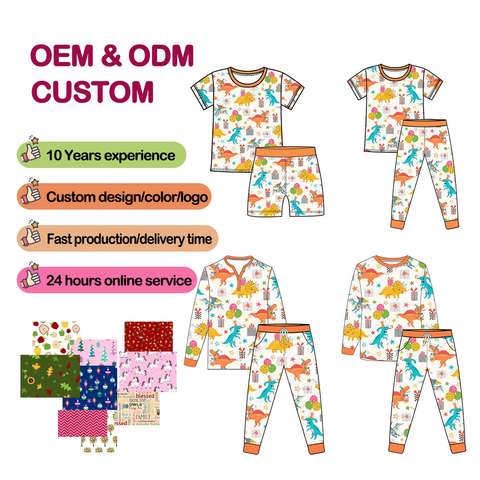
| Fabric Type | Pima Cotton |
| Compliance | GOTS Organic |
| Customization | Tailor-made |
| Lead Time | 20 Days |
At the heart of this industry revolution lies not just the end product but the effort to merge advanced textiles and sustainable practices with streamlined manufacturing processes. For brands and businesses operating in the babywear sector, embracing these innovations means not only improving product offerings but also creating a better, safer, and more sustainable world for our youngest consumers.