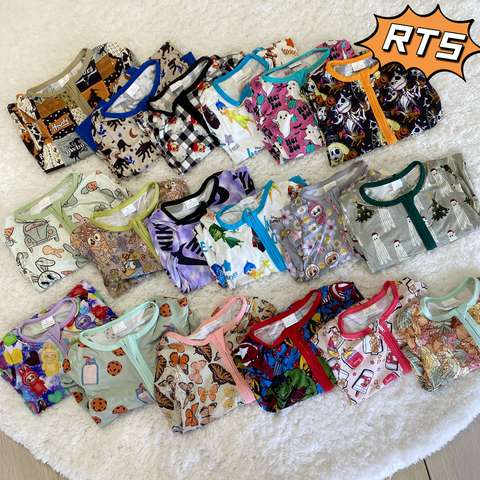
Cpsia Compliant New Design Baby Romper Gots Organic Oem
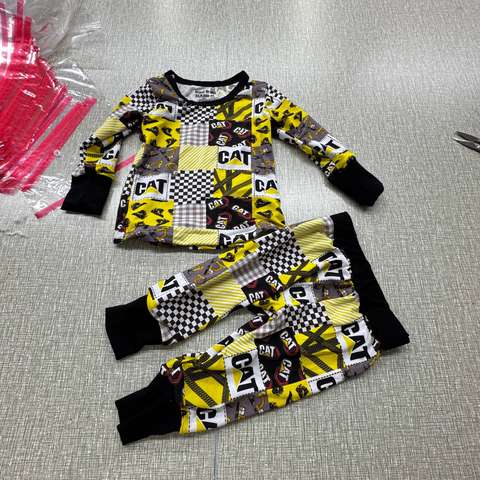
Innovative Baby Romper Design: Optimizing Manufacturing Processes and Comfort
The baby apparel industry is evolving with a strong focus on innovation in design and manufacturing. One garment that is consistently in demand is the baby romper. With its simplicity in wearability and versatility in application, this timeless piece continues to capture the market’s attention. However, creating a romper that excels in durability, functionality, comfort, and aesthetics requires careful consideration of GSM (grams per square meter), fabric density, and the industrial machinery used in production.
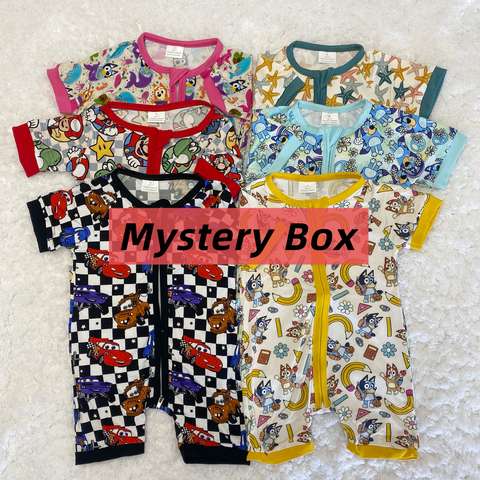
The Importance of GSM and Fabric Density in Baby Romper Design
When designing baby rompers for mass production, fabric selection is crucial, and understanding fabric properties like GSM and density is the foundation for this decision. GSM, the weight per unit area of fabric, directly impacts the garment’s quality and usability. A well-calibrated GSM ensures comfort, wear resistance, and thermal regulation, which are non-negotiable in babywear.
Fabric density, on the other hand, refers to the number of threads or yarns present per unit area of the fabric. A dense weave creates a strong, smooth surface, which is essential for durability. Combining optimal GSM and density helps manufacturers develop baby rompers that provide a soft touch on sensitive baby skin while ensuring resistance to wear and tear during regular use.
How to Select the Right GSM for Baby Rompers
The ideal GSM for baby rompers is typically within the range of 120 to 200, but this can vary depending on the season and use case. Lightweight fabrics in the range of 120-150 GSM are perfect for summer rompers, as they offer breathability and comfort in warmer temperatures. For cooler climates or winter wear, 160-200 GSM is preferred to provide additional warmth.
To make an informed GSM choice, manufacturers should consider fabric types. Cotton, for example, is a popular choice for baby rompers due to its natural softness, hypoallergenic properties, and breathability. Organic cotton, in particular, is gaining traction for its sustainability. On the other hand, blended fabrics with a combination of cotton and elastane (spandex) provide engineered stretch and better fit, crucial for playful and active toddlers.
The Role of Industrial Machinery in Romper Production
Equipping factories with advanced industrial machinery is imperative for efficient and precise romper production. Modern sewing machines and cutting equipment designed specifically for children's wear ensure accuracy, scalability, and reduced wastage. Here is an overview of key machinery and features to consider:
- Automatic Cutting Machines: High-speed, computerized fabric cutters reduce material wastage and human error. Automated cutting systems also accommodate a variety of fabric types, minimizing the chance of distortion or uneven cuts due to fabric elasticity.
- Overlock and Flatlock Machines: Seam quality is vital in baby rompers. Overlock machines provide clean, secure seams with exceptional durability, while flatlock machines create smooth finishes, minimizing the risk of abrasive edges that could irritate a baby’s skin.
- Computerized Embroidery Machines: Adding decorative elements to baby rompers, such as embroidery, is a great way to enhance their aesthetic appeal. High-speed embroidery machines allow for customization and ensure consistent design even in bulk production.
- Heat Transfer and Printing Machines: For patterned or graphic rompers, heat transfer and direct-to-garment (DTG) printing machines provide high-quality, vibrant prints. Both options should be integrated strategically to maintain durability and softness in fabrics below 200 GSM.
Innovative Fabric Blends for Baby Rompers
Apart from conventional single-material fabrics like 100% cotton, manufacturers are increasingly experimenting with innovative fabric blends to cater to modern markets. These blends can significantly alter the feel, stretchability, aesthetics, and performance of the romper.
Organic Cotton and Bamboo: Bamboo offers a silky-soft texture, higher moisture absorption, and natural antibacterial properties. When blended with organic cotton, the result is an excellent fabric for baby rompers.
Cotton-Polyester Blend: A small percentage of polyester in a cotton blend enhances durability, shrink resistance, and wrinkle recovery, making it a practical option for robust baby garments.
Modal and Cotton: Modal is celebrated for its luxurious softness, breathability, and color vibrancy. Pairing it with cotton creates a romper that is both durable and supremely soft against the skin.
Fabric innovation, combined with the right GSM and density, enables manufacturers to cater to the growing demand for ethical, eco-friendly, and high-performance babywear. Testing these blends for their performance, durability, and child safety standards is essential before introducing them to production lines.
Challenges and Opportunities in Baby Romper Manufacturing
As with any production process, baby romper manufacturing has its own set of challenges. However, innovation, coupled with strategic implementation of industrial machinery and material science, can turn these bottlenecks into opportunities.
1. Meeting Regulatory Standards: Babywear is subject to strict safety regulations, emphasizing the absence of harmful chemicals in fabrics, ensuring high-quality stitching, and eliminating choking hazards. Manufacturers need to use dyeing and processing methods that comply with certifications such as Oeko-Tex Standard 100.
2. Managing Complex Customization: While customization is a growing trend in babywear, it often complicates production workflows. Advanced machinery with computer controls, such as CAD/CAM systems, enables manufacturers to introduce customized features like embroidered names and personalized prints without disrupting production efficiency.
3. Sustainability Concerns: As consumers demand more eco-friendly products, manufacturers are under pressure to adopt sustainable practices. Integrating organic fabrics, reducing resource wastage, and using renewable energy in production can position companies competitively in this green economy.
| Fabric Type | Organic Bamboo |
| Compliance | CPSIA Compliant |
| Customization | Private Label |
| Lead Time | 19 Days |
4. Scaling Production Without Compromising Quality: Balancing mass production while maintaining consistent quality is crucial for B2B buyers. This challenge can be addressed by leveraging automation and machine learning systems in quality control checks to detect flaws early in the process.
: Revolutionizing Baby Romper Design and Manufacturing
The future of baby romper design lies in the perfect synergy between innovative fabric technologies and the advancement of industrial machinery. By carefully selecting the appropriate GSM, fabric density, and blends, and by seamlessly integrating modern production equipment, manufacturers can meet the evolving demands of the babywear industry while prioritizing affordability and environmental consciousness.
B2B manufacturers and suppliers need to stay ahead of these changing trends while ensuring compliance with strict regulations. Doing so will not only enhance production efficiency and reduce costs but also establish a strong foothold in the competitive babywear market. By embracing automation, leveraging sustainable materials, and focusing on GSM and fabric density tailored to application needs, manufacturers are well-positioned to design premium-quality baby rompers that resonate with end consumers.