Cpsia Compliant Organic Baby Romper Private Label Oem

Understanding the Role of GSM and Fabric Density in Organic Baby Rompers
When it comes to creating high-quality organic baby rompers, attention to fabric density and GSM (grams per square meter) plays a pivotal role. These are not just metrics for textile engineers but key determinants of a garment’s durability, comfort, and value. In the competitive B2B market for baby clothing, delivering products with the right combination of materials and processing is crucial to meeting consumer demand and market regulations.
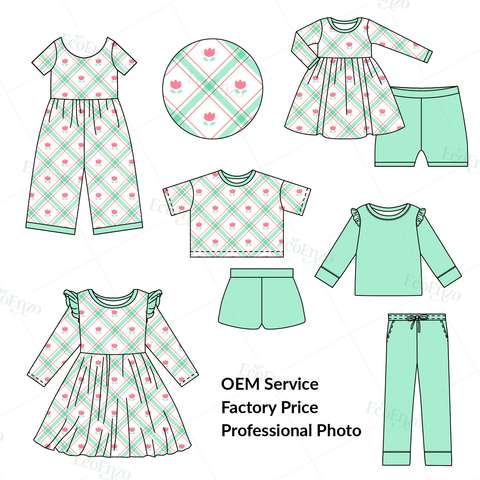
This article explores the science behind GSM and fabric density in organic textiles, discusses how industrial machinery enhances production, and provides actionable insights for manufacturers considering organic baby rompers.
What is GSM and Why is it Critical for Organic Baby Rompers?
GSM, or grams per square meter, is a unit of measurement used to describe the weight of fabric. It is a critical specification in the textile industry, as it directly relates to the thickness, durability, and feel of the fabric. For baby rompers, achieving the right GSM balance is crucial to ensure softness, breathability, and endurance while adhering to safety and comfort standards for infants.
Organic cotton commonly used in baby rompers typically has a GSM range of 120 to 250, depending on the season and purpose. For instance, summer rompers may sit at the lower end of the spectrum (120-160 GSM) to ensure ultra-lightweight and breathable clothing. On the other hand, winter rompers need a higher GSM (180-250) to provide insulation and warmth without compromising comfort.
Getting the GSM wrong can lead to two extreme outcomes: a fabric that feels overly thin and weak or one that's too heavy and restrictive for young, sensitive skin. Both can make the product unsuitable for its target demographic, impacting brand reputation and sales.
The Interplay Between Fabric Density and Comfort
Fabric density goes hand-in-hand with GSM, though it refers more specifically to the weave or knit structure of the material. It concerns how closely the fibers or yarns are packed within the fabric. A high-density fabric tends to be more durable, which is necessary for items like baby rompers that require frequent washing.
In the case of organic textiles, a tight weave improves resistance to wear and tear while amplifying the safety factor—important when catering to infants. However, engineers and designers must strike the right balance. Overly dense fabrics can compromise breathability and increase stiffness, rendering them unsuitable for baby clothing. Industrial machinery capable of precision weaves allows manufacturers to achieve this delicate balance efficiently.
Leveraging Industrial Machinery for Optimized Production
Producing high-quality organic baby rompers hinges on the capabilities of industrial machinery. From knitting machines to fabric finishing equipment, every step in the production process requires precision to translate raw organic cotton into a finished product that meets stringent quality standards.
Advancements in Knitting and Weaving Machines
Modern weaving and knitting technologies have revolutionized organic fabric production, offering capabilities like control over GSM, consistency, and pattern versatility. Circular knitting machines, for example, are commonly used in the production of organic cotton fabrics for baby rompers. These machines can efficiently produce stretchable and breathable materials, ideal for active infants.
High-speed looms are also integral to meeting B2B order demands. They allow manufacturers to create high-quality, tightly woven fabrics at scale without compromising organic certifications or fabric properties.
Automation in Fabric Cutting and Sewing
Fabric cutting and sewing have traditionally been labor-intensive tasks in garment production. However, advancements in industrial technology have introduced automation and computer-aided design (CAD) systems that enhance the speed and accuracy of these processes.
Robotics and automated cutters can handle organic cotton fabrics with precision, reducing material waste and ensuring consistent sizing for baby rompers. On the sewing end, programmable sewing machines allow manufacturers to achieve complex stitching patterns while maintaining consistent quality across bulk orders.

Eco-friendly Finishing Techniques
The finishing stage is another critical point in the production of organic baby rompers, where machinery’s role cannot be overstated. Textile finishes enhance the functionality of the fabric, whether it’s through softening agents, anti-bacterial treatments, or water repellents. Organic certifications, however, require the use of eco-friendly processes and non-toxic chemicals.
Industrial finishing lines now come equipped with advanced water management systems, reducing the ecological footprint of wet processing activities. Steam and laser technologies are also being utilized for finishing organic baby clothing to maintain its eco-friendly promises while imparting desired characteristics, such as wrinkle resistance and durability.
| Fabric Type | Organic Bamboo |
| Compliance | GOTS Organic |
| Customization | Tailor-made |
| Lead Time | 20 Days |
Industry Challenges and Best Practices
Despite advancements in materials and machinery, producing organic baby rompers comes with its own set of challenges. From sourcing certified organic cotton to meeting stringent international standards, manufacturers must navigate a complex landscape. Here, the right strategies and a focus on collaborative partnerships can make a significant difference.
Sourcing Certified Organic Cotton
One of the biggest hurdles in producing organic baby rompers is sourcing genuinely certified organic cotton. Certifications like GOTS (Global Organic Textile Standard) or OEKO-TEX ensure that the cotton is free of harmful chemicals throughout cultivation and processing. Sourcing such materials is typically costlier, but the demand for sustainable baby clothing justifies the investment for many B2B enterprises.
Complying with International Safety Regulations
Baby garments are subject to strict safety and quality regulations, which vary between regions. For instance, the Consumer Product Safety Improvement Act (CPSIA) in the United States necessitates specific flammability and non-toxic standards for garments that will be in contact with infants. Particular attention must be paid to small parts and fasteners that could pose choking hazards.
Working with industrial machinery that can perform stress tests and monitor the quality of every garment in real-time offers manufacturers a way to meet these demands efficiently.
Prioritizing Sustainability Across the Supply Chain
Sustainability is no longer optional in the competitive market of organic clothing. Both end-consumers and retailers are increasingly scrutinizing brands for their environmental footprints. Leveraging sustainable practices across the supply chain, such as water-efficient dyeing techniques and renewable energy-powered machinery, can provide a competitive edge.
A growing trend in B2B relationships is fostering partnerships with suppliers who prioritize ethical practices. Using supply chain transparency tools and cloud-based systems allows manufacturers to track their raw materials and production processes, ensuring that organic certifications are maintained throughout.
The production of organic baby rompers is a complex but rewarding segment of the textile industry. By focusing on critical aspects like GSM, fabric density, and sustainable production methods, businesses can differentiate themselves in a crowded market. , leveraging state-of-the-art industrial machinery ensures that manufacturers can meet rigorous quality and safety standards efficiently while scaling their operations.
For B2B entities looking to capitalize on the growing demand for organic babywear, a commitment to technological innovation, eco-friendly practices, and compliance with international standards are non-negotiables. This approach not only aligns with consumer values but also builds credibility and trust in an increasingly discerning market.