Custom Bamboo Baby Sleeper Odm Manufacturer
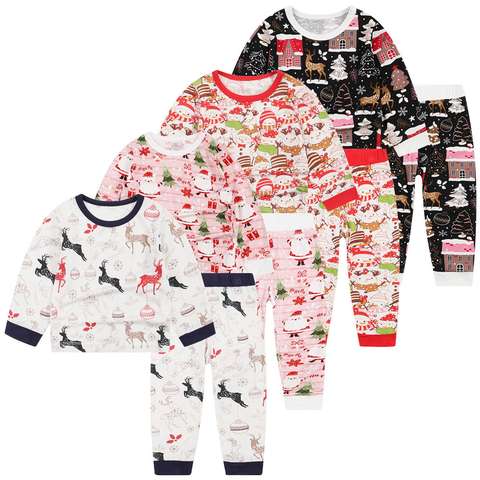
Bamboo Baby Sleeper: Innovation in Textile Engineering
The world of textile engineering continues to evolve, with sustainability and comfort being key drivers in modern product development. Among the noteworthy advancements is the creation of bamboo baby sleepers, which merge engineering precision, eco-friendliness, and soft, breathable comfort. For businesses exploring the manufacture and distribution of baby clothing, bamboo baby sleepers represent an exciting niche informed by GSM optimization, industrial machinery development, and proper fabric density management. This article delves into the technical aspects that make these products compelling for wholesale and industrial partnerships alike.
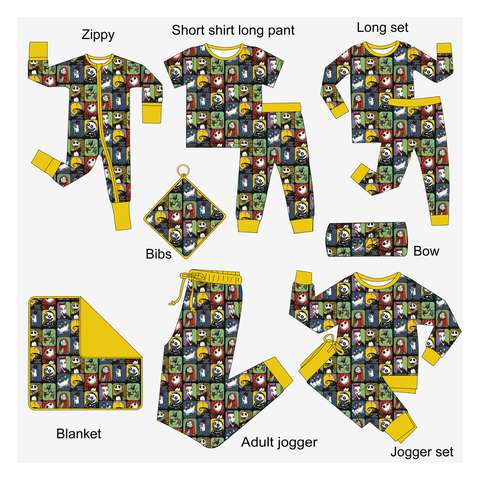
Understanding GSM and Fabric Density in Bamboo Textiles
The quality and functionality of bamboo baby sleepers are deeply tied to their GSM (grams per square meter) and fabric density, which are critical parameters in textile engineering. GSM determines the weight and thickness of the fabric, directly impacting the sleeper's durability and thermal properties. Bamboo textiles often fall within a GSM range of 130 to 250, depending on intended applications. For baby sleepers, the sweet spot typically lies between 140 and 180 GSM.
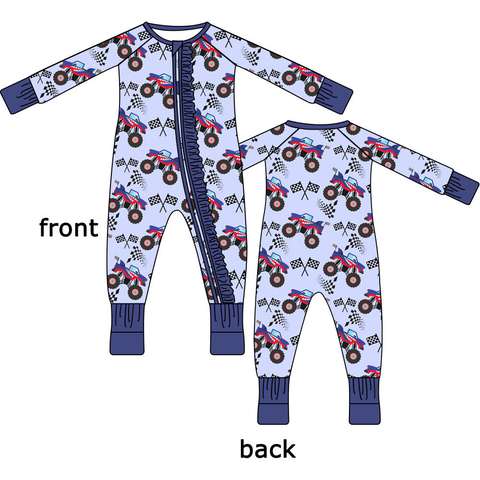
Lower GSM values ensure that the material is lightweight and breathable, making it ideal for hot climates or summer use. Higher GSM values, while thicker, provide added warmth and durability for colder environments. When producing high-quality bamboo baby sleepers, selecting an appropriate GSM is a critical decision that impacts functionality and consumer satisfaction.
Optimizing Fabric Density for Baby Skin
Fabric density, defined as the number of threads within a given area (usually per square inch), heavily influences softness and wearability. Bamboo fabric inherently offers a smooth texture due to its fine fibers; however, maintaining an optimal thread count ensures minimal risk of irritation to baby skin.
A density range between 200 and 300 threads per square inch is common for bamboo fabric aimed at baby sleepers. This range offers a balance between durability and softness, ensuring that the substrate remains breathable and flexible while being resistant to wear and tear during repeated use and washing cycles.
The balance of GSM and fabric density within the manufacturing process can be tailored using advanced machinery settings. Modern weaving looms and knitting machines—equipped with automated thread-count configuration—facilitate this precision, ensuring adjustable quality control during large-scale production runs.
Engineering Insights: Industrial Machinery for Bamboo Textiles
The production of bamboo baby sleepers relies on highly sophisticated industrial machinery designed to handle the nuances of bamboo fibers. Bamboo fabric is derived from bamboo pulp, which undergoes a chemical or mechanical process to transform into viscose rayon or lyocell, two common forms of bamboo-based fibers. Each step within the production chain must be meticulously engineered to maintain environmental compliance and deliver functional end-products suitable for sensitive baby skin.
Textile Machines for GSM Adjustment
The first stage in producing bamboo-based textiles involves adjusting the GSM to the desired specification. This requires machinery capable of knitting or weaving with meticulous control over fiber distribution. Circular knitting machines are particularly effective for crafting bamboo baby sleepers, as they enable seamless construction and optimal GSM calibration.
Such machines feature programmable interfaces that allow manufacturers to set GSM-specific parameters, ensuring that the sleepers deliver consistent quality across production runs. By integrating artificial intelligence (AI) algorithms, these machines can monitor and adapt to variations in fiber tension or density, further ensuring uniformity.
Precision Weaving for Fabric Density
Fabric density optimization is achieved using Jacquard looms or computer-controlled weaving machines. These advanced units allow manufacturers to create specific thread patterns while maintaining tight control over inter-thread spacing. Because bamboo fibers are thinner compared to cotton or polyester, machinery must be calibrated to handle these delicate substrates without causing breakage or defects.
Additionally, manufacturers working with baby products often favor seamless construction techniques, such as body-mapping knitting, which eliminates unnecessary seams. Seamless designs enhance durability and prevent irritation caused by thread ends, making them ideal for baby sleepers.
Finishing Machines for Textile Softness
For bamboo baby sleepers to stand out among alternatives, finishing processes play a pivotal role. Enzyme-based finishing machines, for example, are utilized to soften the fibers and remove any residual chemicals from the bamboo processing phase. These machines apply controlled pressure, temperature, and enzyme solutions to ensure the sleepers achieve unparalleled smoothness while remaining hypoallergenic.
In post-processing operations, compacting machinery can be used to ensure dimensional stability, preventing shrinkage or deformation during washing cycles. Such machinery is fundamental to maintaining the engineered GSM and fabric density parameters established earlier in the manufacturing process.
Sustainability: A Core Advantage of Bamboo Baby Sleepers
Bamboo textiles are celebrated for their sustainability credentials, making them an eco-friendly alternative to traditional fabrics like cotton or polyester. For B2B partners and industrial stakeholders, the ecological benefits of bamboo fiber present substantial branding and market positioning opportunities.
Environmental Efficiency with Bamboo Applications
Bamboo grows rapidly, requiring minimal water, pesticides, or fertilizers. This makes bamboo cultivation significantly more efficient than cotton farming, which is often resource-intensive. Bamboo fibers are biodegradable, further reducing ecological impact post-consumer use.
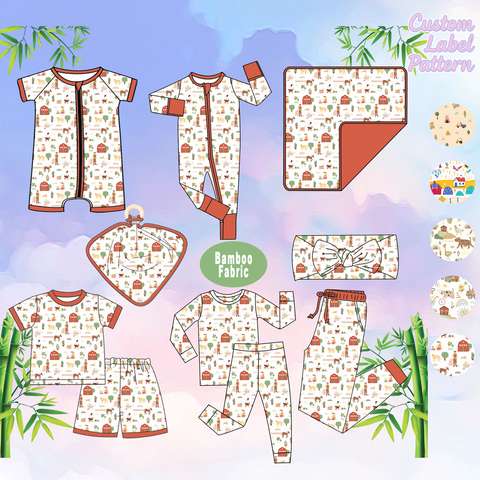
During industrial processing, manufacturers can adopt closed-loop systems to recycle chemicals used in bamboo pulp production, such as sodium hydroxide. This ensures minimal waste discharge while adhering to strict environmental compliance protocols. Machinery outfitted with waste-recovery systems provides an added layer of sustainability to the textile engineering workflow.
Antibacterial and Hypoallergenic Properties
Beyond sustainability, bamboo fibers naturally exhibit antibacterial and hypoallergenic properties due to their inherent bio-agents, known as "bamboo kun." These agents inhibit bacterial growth, making the material an excellent choice for baby clothing where hygiene and skin sensitivity are top priorities.
| Fabric Type | Organic Bamboo |
| Compliance | GOTS Organic |
| Customization | Tailor-made |
| Lead Time | 29 Days |
To retain these properties, manufacturers employ gentle processing methods that avoid the use of harsh chemicals. Specialized finishing machines equipped with water-based solutions help preserve these beneficial characteristics throughout production.
Opportunities for B2B Collaboration
For wholesalers and industrial stakeholders, bamboo baby sleepers offer a unique opportunity to cater to the growing demand for eco-friendly and high-quality baby products. By collaborating with specialized machinery suppliers and textile engineers, businesses can develop customized production setups optimized for scalable and efficient manufacturing of bamboo textiles.
Additionally, partnering with logistics providers who prioritize sustainable practices ensures that even post-manufacturing activities align with the eco-friendly ethos of the product.
The rise of bamboo baby sleepers as a staple in the babywear industry emphasizes the intersection of textile engineering and sustainable innovation. Businesses focused on GSM optimization, fabric density control, and incorporation of advanced industrial machinery are well-positioned to leverage this growing market niche. From balancing GSM values for breathable comfort to calibrating thread density for baby-soft texture, the production of bamboo baby sleepers showcases the technical depth of modern manufacturing processes.
, the eco-friendliness and antibacterial properties of bamboo fibers present unique advantages for product marketing. By committing to sustainability and high-quality engineering, industrial stakeholders can create long-term value within the babywear sector while adhering to consumer demands for ethical and sustainable manufacturing practices.