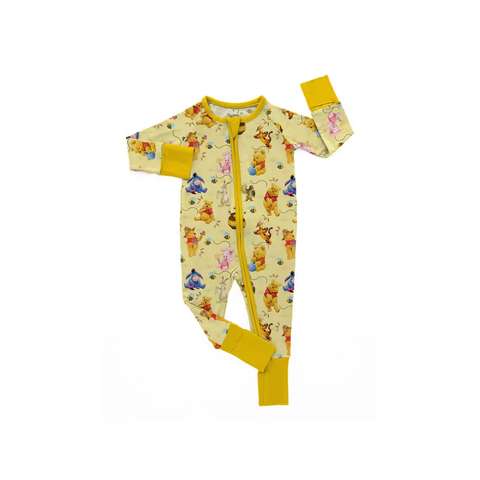
Custom Childrens Bamboo Christmas Pajamas Astm F963 Oem
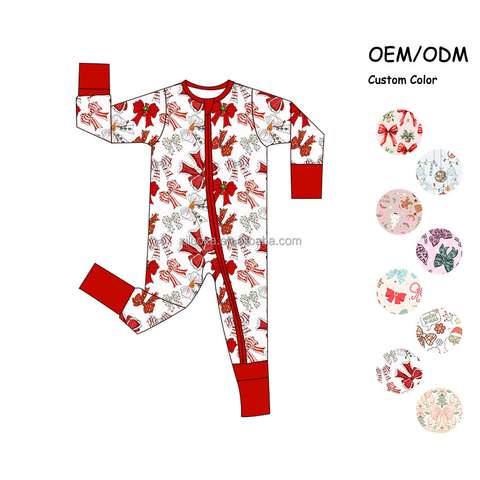
Using GSM and Fabric Density to Optimize Children’s Bamboo Christmas Pajamas
In the apparel manufacturing industry, fabric selection plays a critical role in the final product's success. The growing popularity of children’s bamboo Christmas pajamas stems from bamboo fabric’s softness, breathability, and eco-friendliness. However, achieving the perfect balance between comfort, durability, and production efficiency requires a detailed understanding of GSM (grams per square meter), fabric density, and the industrial machinery used throughout the workflow. This article explores the technical considerations for manufacturers and suppliers producing bamboo pajamas, emphasizing how standard production metrics and advanced equipment ensure product quality and market competitiveness.
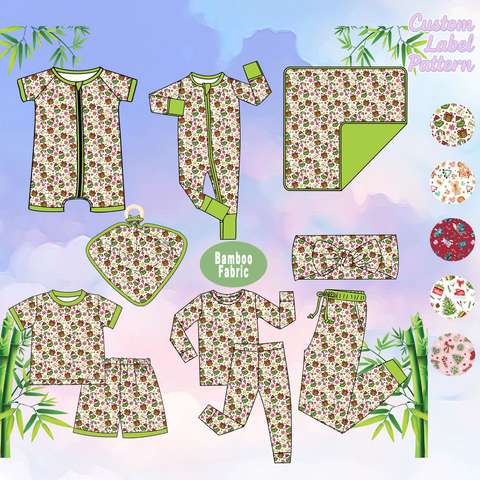
What is GSM and Why Does it Matter in Bamboo Pajama Production?
The term GSM (grams per square meter) refers to the weight of fabric per square meter, a critical metric for manufacturers. It not only influences the tactile feel of the fabric but also determines its breathability, durability, and aesthetic properties. For children’s bamboo Christmas pajamas, GSM requirements typically range between 180 to 250 GSM, depending on design specifications.
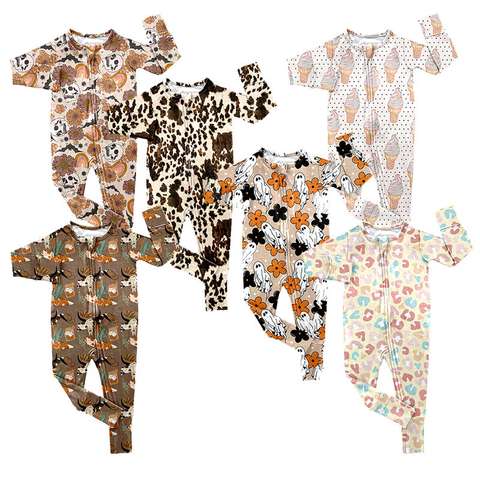
A lower GSM fabric (e.g., 180 GSM) would yield a lighter, thinner material that enhances breathability—ideal for children who overheat easily during sleep. On the higher end, a 250 GSM fabric results in a thicker, cozier feel, perfect for colder climates and festive seasons. Selecting the correct GSM for a range of pajamas is crucial. Manufacturers must invest in precision testing equipment like GSM cutters and fabric weight scales to ensure accurate measurement and uniformity across batches.
Additionally, determining GSM is critical for predicting fabric behavior in subsequent production stages, such as cutting, dyeing, and sewing. Bamboo fabrics, in particular, require careful monitoring since the fiber's smooth texture and natural elasticity can lead to shrinkage during processing if incorrect GSM levels are used.
Fabric Density and the Manufacturing of High-Quality Pajamas
Fabric density refers to the number of warp and weft threads per square inch of fabric. For bamboo Christmas pajamas, both thread count and compactness play an important role in balancing softness and durability. For children’s apparel, the primary challenge is creating a fabric dense enough to withstand wear and washing while maintaining the delicate, silky quality that bamboo fiber is known for.
Bamboo fabrics are naturally fine and lightweight, which makes them susceptible to pilling and surface friction. Industrial-grade knitting machines, such as those equipped with double-jersey or interlock mechanisms, are preferred for creating higher-density bamboo fabrics. These machines allow manufacturers to produce denser, more stable fabrics without sacrificing drape or flexibility. The outcome is pajamas that are gentle on children’s sensitive skin and capable of lasting through repeated use—an essential factor for parents when purchasing children's sleepwear.
When combining GSM calculations with fabric density optimization, manufacturers can target specific use cases. For example, a higher-density knit with a mid-range GSM (e.g., 210) can provide coziness without excessive weight—an ideal combination for Christmas-themed pajamas that prioritize style and comfort.
The Role of Advanced Machinery in Bamboo Pajama Manufacturing
Producing children’s bamboo Christmas pajamas requires precision equipment to handle the unique properties of bamboo fibers. From fabric formation to the final cut-and-sew stages, each machine should ensure efficiency, quality, and consistency.
Knitting Machines for Bamboo Fabric
Circular knitting machines are commonly used in producing bamboo fabric due to their unparalleled precision and high-speed capabilities. Recently, automated machines with real-time monitoring features have gained favor in textile manufacturing. For high-volume orders, these machines ensure that fabric batches maintain consistent GSM and density, minimizing waste and ensuring uniformity. The use of double-cylinder knitting machines allows manufacturers to produce ultra-soft fabrics suitable for close-contact children’s pajamas while preventing overheating.
For Christmas-themed pajamas, intricate patterns such as stripes, plaids, or festive motifs require more advanced jacquard knitting machines. These machines can incorporate bamboo threads with other materials, such as cotton or spandex, to increase durability or stretch. Such capabilities allow brands to produce unique and festive designs with high efficiency.
Industrial Dyeing and Finishing Equipment
Bamboo fabric's natural properties make it highly receptive to dyes, providing vibrant colors suitable for festive Christmas palettes. However, the dyeing process for bamboo requires precise control over temperature and chemical concentrations to avoid compromising the fabric's softness. Specialized dyeing machinery capable of managing bamboo’s pH-sensitive fibers is essential for this process.
Post-dyeing, bamboo fabric is typically treated with anti-pilling and shrink-resistant finishes. Padding mangle machines are widely used for this step, ensuring uniform application of finishing chemicals. This process helps maintain the fabric's durability and ensures that the final product retains its softness and integrity, even after multiple washes.
, infrared curing and calendering machines can be used to create smoother surfaces with a polished, premium feel—vital for pajamas featuring festive prints, as they enhance the design's vibrancy and clarity.
CNC Cutting and Computerized Sewing
Once bamboo fabric is prepared, precision cutting and sewing are necessary to maintain high standards in children’s pajamas. Computer Numerical Control (CNC) cutting machines combined with pattern-making software allow manufacturers to maximize fabric utilization, reducing waste while achieving precise cuts for each pajama size. Accurate cutting is especially critical in maintaining symmetry for intricate holiday patterns, such as snowflakes or reindeer designs.
Sewing bamboo presents unique challenges due to the fabric’s natural slipperiness and lightweight nature. To tackle these issues, manufacturers increasingly rely on automated sewing machines equipped with differential feed systems. These machines prevent stretching or puckering during seams, ensuring clean lines and consistent garment proportions. Automation also supports scalability, enabling the production of large orders of Christmas pajamas without compromising on quality.
Balancing Sustainability and Scalability in Bamboo Pajama Production
One of bamboo fabric's key advantages is its sustainability. Bamboo is a fast-growing, renewable resource that requires fewer pesticides and less water than traditional cotton. For parents seeking eco-friendly options for their children, bamboo pajamas present an attractive choice. However, integrating sustainability into large-scale production requires careful planning and efficient use of resources.
High-performance industrial machinery can play a significant role in minimizing waste during manufacturing processes. CNC cutting machines, for example, enable manufacturers to optimize fabric layouts, reducing the volume of excess material. Additionally, waterless dyeing technologies and chemical recycling systems can help lower the environmental footprint during the dyeing and finishing phases.
To truly scale sustainable production of children’s bamboo Christmas pajamas, manufacturers should also explore the use of robotic fabric-handling systems. These advanced technologies can streamline labor-intensive tasks such as fabric inspection, folding, and packaging, which minimizes manual errors and energy consumption.
| Fabric Type | Organic Bamboo |
| Compliance | GOTS Organic |
| Customization | OEM |
| Lead Time | 28 Days |
A Final Word: Partnering for Success in the Bamboo Pajamas Market
The production of children’s bamboo Christmas pajamas is a technically demanding yet rewarding opportunity for manufacturers and suppliers. By focusing on critical production metrics like GSM and fabric density and investing in the right industrial machinery, companies can create high-quality, durable products that meet consumer demand for comfort, style, and sustainability.
B2B partnerships thrive when technical expertise is combined with innovation. Manufacturers that prioritize state-of-the-art machinery, advanced production techniques, and sustainable practices will have a competitive advantage in this growing market segment. As consumer interest in eco-friendly, premium sleepwear continues to rise, businesses that master the nuances of bamboo pajama production will ensure long-term success for themselves, their partners, and their end customers.