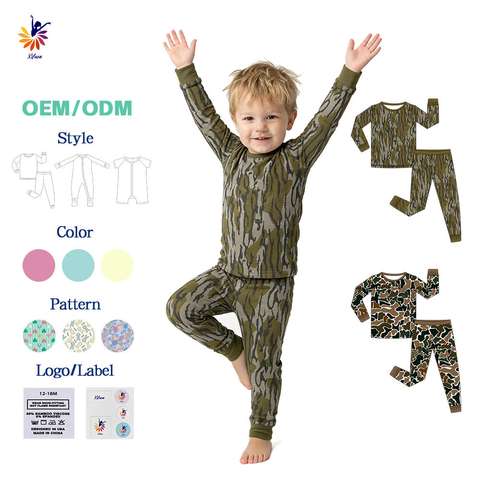
Custom Christmas Baby Clothes Private Label Exporter
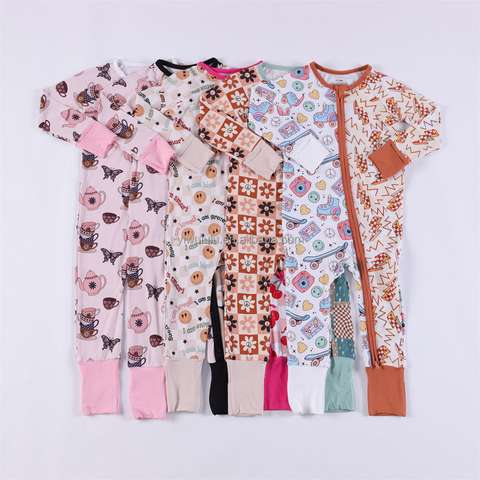
Engineering Quality in Christmas Baby Clothes: A Focus on GSM, Fabric Density, and Machinery
Christmas baby clothes occupy a unique product niche that combines aesthetics, comfort, and durability. Engineers involved in textile production must leverage advanced GSM standards, fabric density calculations, and industrial machinery innovation to deliver soft yet robust clothing for infants during the festive season. This article explores the technical aspects that contribute to producing high-quality holiday-themed baby apparel.
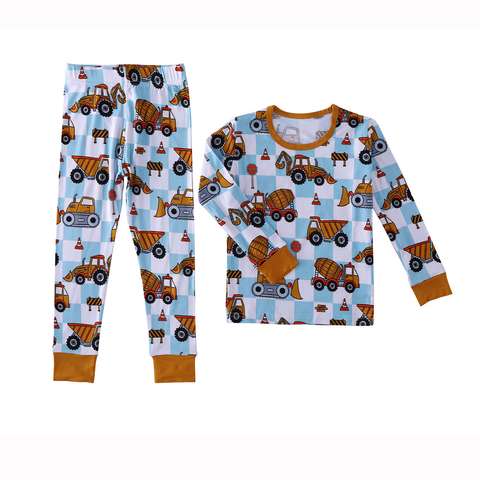
Understanding GSM and Its Role in Christmas Baby Clothing
Grams per square meter (GSM) is a fundamental measure in the textile industry that quantifies fabric weight. For garments targeted at infants, GSM plays a pivotal role in balancing softness with durability. The optimal GSM range for baby clothes typically falls between 130 and 220 GSM, depending on the intended application. Christmas-themed baby clothes, such as rompers, pajamas, and onesies, often require fabrics at the higher end of this range to maintain warmth during colder months.

Engineers working behind the scenes ensure precise GSM calibration by focusing on factors like fiber composition, weave type, and yarn quality. For instance, cotton is a preferred material for baby clothes due to its breathable nature and hypoallergenic properties. The GSM calculation for cotton Christmas baby clothes might incorporate specialized textile coatings, such as anti-pilling treatments or thermal enhancements, to improve longevity without adding excessive bulk.
The Importance of Fabric Density in Designing Infant Apparel
Fabric density refers to the number of yarns per unit of area, specifically threads per inch (TPI). This technical parameter determines the tightness of the weave and, consequently, the feel, strength, and impermeability of the textile. Engineers evaluating fabric density for Christmas baby clothes prioritize lightweight yet durable weaves to meet safety standards and comfort expectations.
For instance, a tighter weave is essential for garments designed to retain heat, such as fleece-lined onesies or holiday sweaters. However, breathable alternatives like interlock knit fabric may be selected for lighter designs, including decorative hats or socks. The choice of fabric density impacts not only the comfort of the baby but also the visual allure of the product, ensuring intricate holiday patterns like snowflakes and reindeer remain crisp and vibrant.
Industrial Machinery Practices in Baby Clothing Production
The creation of Christmas-themed baby apparel relies heavily on specialized industrial machinery configured to handle delicate fabrics and intricate designs. Automated sewing machines, computerized jacquard looms, and laser cutters enable high-precision results while maintaining efficiency in mass production.
For garments like holiday onesies featuring embroidered motifs, computer-aided design (CAD) integrates with embroidery machines to ensure seamless patterns. These machines are calibrated to handle fine threads and ensure consistent quality throughout large production runs. Similarly, laser-cutting systems are used to create precision finishes on baby clothes without fraying, offering clean edges for applique elements like snowflakes or stars.
Ensuring Quality Control and Sustainability
From an engineering standpoint, quality control processes are meticulously designed to guarantee the safety and comfort of Christmas baby clothes. Testing for fabric strength, shrinkage, and pilling is crucial, particularly when working with higher GSM fabrics or intricate designs that may compromise structural integrity. Industrial machinery, equipped with smart sensors, plays a key role in reducing production errors by monitoring thread count, stitches, and fabric tension in real time.
Additionally, sustainability has emerged as a priority in the textile sector, especially for baby clothing manufacturers aiming to capture eco-conscious consumers during the holiday season. Engineers have developed practices to optimize resource efficiency and reduce waste. Filter systems on dyeing machinery, biodegradable yarns, and energy-efficient sewing platforms are transforming the landscape of baby clothing production. These innovations align with safety standards while enabling manufacturers to produce eco-friendly fabrics for conscious markets.
Christmas baby clothes represent a perfect blend of engineering precision and holiday cheer. By focusing on GSM, fabric density, and advanced industrial machinery, textile engineers ensure the production of garments that are not only warm, durable, and safe but also charming and festive. The integration of quality control measures and sustainable practices demonstrates how these technical facets contribute to a competitive edge in this product niche.
For manufacturers looking to scale their operations or explore new designs in holiday-themed baby apparel, the engineering principles discussed here serve as a blueprint to produce high-quality, comfortable, and joyful garments for infants. By leveraging advanced machinery, precise GSM calibration, and optimal fabric density, the textile industry continues to set the benchmark in premium baby clothing for the holiday season.
| Fabric Type | Pima Cotton |
| Compliance | CPC Certified |
| Customization | Tailor-made |
| Lead Time | 38 Days |