Custom Custom Baby Romper Odm Supplier
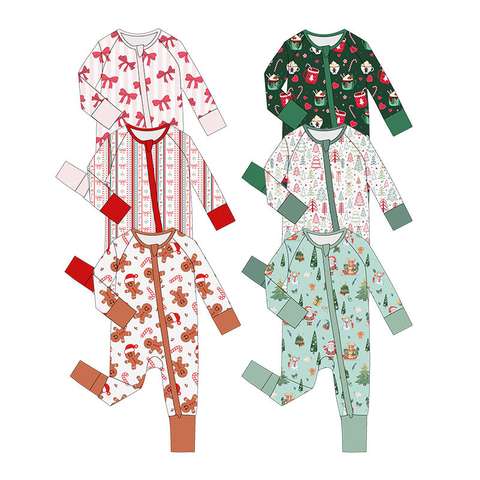
Optimizing Custom Baby Romper Production: A Technical Perspective
In the growing custom baby apparel market, creating bespoke baby rompers requires precision, quality control, and technical expertise. Parents are seeking personalized options for their infants, demanding high standards in comfort, safety, and aesthetic appeal. As a manufacturer, ensuring fabric quality, accurate GSM (grams per square meter) measurements, and the use of cutting-edge industrial machinery are crucial aspects of meeting this demand. This article explores the role of GSM, fabric density, and manufacturing technologies in producing top-quality custom baby rompers for the B2B market.
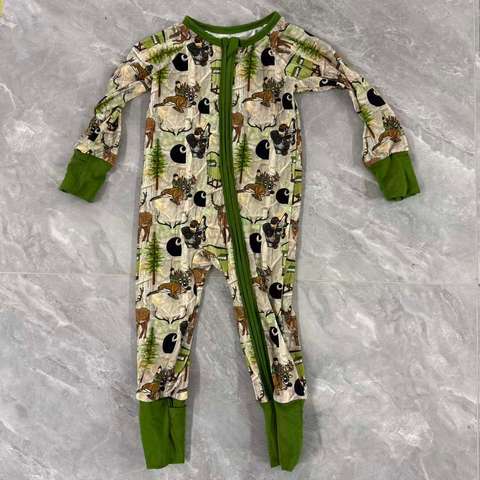
The Importance of GSM in Fabric Selection
GSM, or grams per square meter, is a critical metric in the textile industry that measures the weight of fabric. For baby rompers, GSM directly impacts the texture, breathability, and durability of the garment. This is particularly important because infant clothing requires a delicate balance between comfort and endurance. A fabric with the wrong GSM can compromise the romper’s quality, making it unfit for sensitive baby skin or impacting its structural integrity during regular use.
In general, fabric for baby rompers typically ranges between 140 to 200 GSM. Fabrics in the lower GSM range (around 140–160 GSM) are lightweight and breathable, making them ideal for warmer climates. On the other hand, higher GSM fabrics (170–200 GSM) provide a thicker and cozier feel, suitable for colder weather. Selecting the right GSM for your custom baby rompers involves collaborating with suppliers to assess the target market’s climate, preferences, and required functionality.


Understanding Fabric Density and Stretch Properties
Beyond GSM, fabric density and stretchability are critical factors in baby rompers. Fabric density refers to the number of yarns per square centimeter, directly affecting the fabric’s strength, durability, and comfort. A tighter weave results in a denser fabric, which offers increased wear resistance but may reduce breathability.
Knit fabrics, like jersey and interlock, are popular for baby rompers due to their inherent stretch and flexibility, providing ease of movement to active infants. While jersey is more lightweight with a softer drape, interlock is slightly thicker and maintains its shape better, often making it a preferred choice for this category. Choosing the appropriate fabric type and density ensures the final product meets consumer expectations for both performance and comfort.
Additionally, elastane blends are often integrated into fabrics for custom baby rompers to enhance stretchability. A commonly used composition is a cotton-spandex blend, where a small percentage (usually 5–10%) of spandex improves fit and flexibility, ensuring the romper remains comfortable as the baby moves throughout the day.
The Role of Industrial Machinery in Customized Production
Producing custom baby rompers at scale while maintaining quality necessitates the use of specialized industrial machinery. From fabric cutting to sewing and finishing, each stage of the manufacturing process requires precision input to ensure consistency across production runs. Here are the critical machinery types involved in baby romper production:
Fabric Cutting Machines
Laser and die-cutting machines form the backbone of fabric cutting in baby garment production. Laser cutting, although costlier initially, ensures higher precision and less fraying, critical for small-scale custom orders. Die-cutting machines, on the other hand, offer efficiency for large production volumes and standard sizes. Automated pattern matching also minimizes fabric wastage, an essential consideration for eco-conscious brands.
Sewing and Stitching Machines
For sewing baby rompers, overlock and flatlock stitching machines are typically employed to deliver high-quality seams that are strong yet soft against the skin. Overlock stitching prevents fabric edges from fraying, while flatlock stitching is used for a seamless finish, reducing the risk of abrasion. These machines can handle elastic components, such as stretchy leg openings and snap closures, ensuring a snug, comfortable fit for infants.
Printing and Embroidery Machines
Given the demand for customization, printing and embroidery play key roles in adding unique patterns and designs to baby rompers. Screen printing and direct-to-garment (DTG) printing are ideal for high-resolution, colorful designs on organic fabrics, while computerized embroidery machines excel at creating luxurious, textured embellishments. As personalization trends grow, integrating these processes can provide significant differentiation in the B2B market.
Quality Assurance and Automation Tools
Automation tools, such as computerized fabric-and-stitch monitoring systems, are increasingly common in the garment industry. These tools detect inconsistencies during production, ensuring that each baby romper meets safety and quality standards. Automatic fabric inspection systems, for example, identify defective areas in rolls of fabric before cutting begins, reducing waste and improving efficiency.
Safety, Certification, and Compliance
Baby rompers are subject to stringent safety regulations and compliance standards. As businesses delve into custom apparel production, adhering to safety guidelines is non-negotiable to avoid risks to infant consumers and legal liabilities for manufacturers. ISO 9001 certification guarantees quality management systems are in place, while OEKO-TEX Standard 100 ensures the use of non-toxic, baby-safe fabrics.
Additionally, specific tests like pull tests for snap closures and durability assessments for seams help manufacturers guarantee safety. Ensuring machine calibration for stitching, printing, and other processes further reduces error margins, putting safety front and center in custom baby romper production.
Advancing Sustainability in Baby Romper Production
Sustainability has become a cornerstone for many B2B ventures in the children’s apparel market. Incorporating environmentally friendly fabrics like organic cotton or bamboo fiber aligns with both customer expectations and environmental goals. Sustainable fabric choices often feature lower GSM ratings due to a focus on natural, minimally processed material.
In terms of machinery, manufacturers can adopt energy-efficient models and recycling systems for fabric waste. Equipment that optimizes resource use while minimizing waste plays a pivotal role in achieving eco-friendly production practices. Additionally, investing in biodegradable packaging provides a holistic approach to sustainability, targeting environmentally conscious consumers.
| Fabric Type | Pima Cotton |
| Compliance | CPC Certified |
| Customization | ODM |
| Lead Time | 30 Days |