Custom Family Matching Pajamas Bamboo Oekotex 100 Exporter
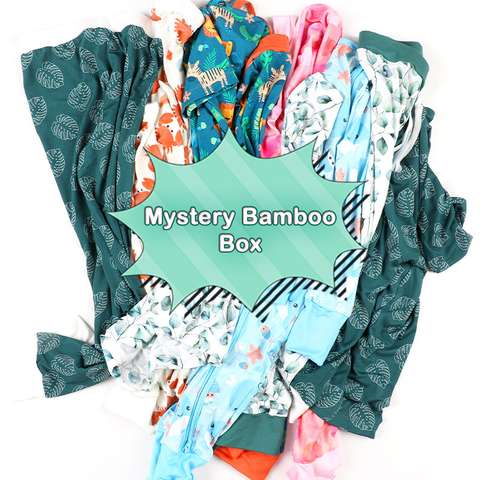
The Rise of Bamboo Fabric in Family Matching Pajamas
In recent years, textile innovation has shifted heavily towards sustainable and performance-driven materials. Bamboo fabric has emerged as one of the leading materials due to its soft texture, breathability, and eco-friendly properties. When combined with the growing trend of family matching pajamas, bamboo fabric offers a combination of comfort, durability, and sustainability that resonates with both consumers and manufacturers. This article delves into the specifics of fabric density, GSM (grams per square meter), and industrial machinery considerations for producing high-quality bamboo family pajamas.
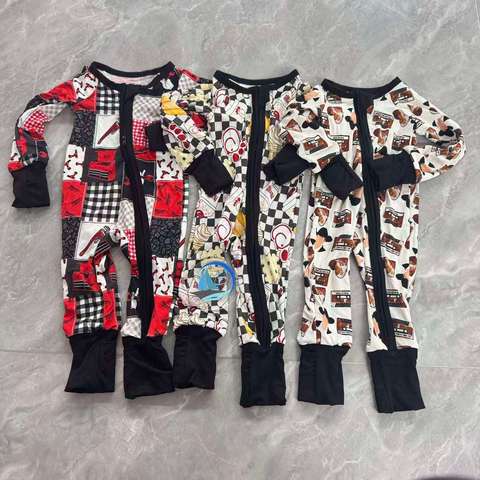
Why Bamboo Fabric Stands Out
Bamboo fabric has seen a surge in popularity due to its unique combination of properties that set it apart from conventional textiles like cotton and polyester. Derived from bamboo pulp, the resulting fibers are processed into a versatile textile that feels luxurious while also being highly durable.
- Sustainability: Bamboo is a fast-growing plant that requires minimal water and no pesticides, making it an environmentally friendly choice in the realm of textiles.
- Softness: Bamboo fibers are naturally smooth and rounded, creating a fabric that feels similar to silk.
- Breathability: The fabric’s micro-gaps enhance moisture absorption and keep the material breathable, making it ideal for pajamas.
These properties make bamboo fabric particularly suitable for family matching pajamas, where comfort and safety are top priorities for all family members, including children and toddlers.
Understanding GSM and Its Impact on Pajama Comfort
Grams per square meter (GSM) is a critical textile parameter that affects the weight, feel, and durability of the fabric. For pajamas, the choice of GSM directly influences customer experience, blending comfort with functionality.
What Is GSM?
GSM refers to the weight of the fabric measured in grams per square meter. It is one of the most important specifications for determining the thickness and quality of fabric used in manufacturing.
The Ideal GSM for Family Pajamas
For bamboo family matching pajamas, GSM typically ranges from 180 to 250. Here is a quick breakdown of GSM categories and their suitability for pajamas:
- 180-200 GSM: Lightweight fabric, best for warm weather or summer pajamas. It offers breathability and a smooth, delicate touch.
- 200-250 GSM: Medium-weight fabric, suitable for year-round use. It strikes the perfect balance between warmth and comfort, ideal for family sets.
- 250 GSM and above: Heavier fabric, designed for winter wear. This GSM may be less common in family pajama sets but can provide additional thermal insulation on colder nights.
Choosing the right GSM ensures you meet seasonal demands and maintain customer satisfaction.
Fabric Density: Balancing Softness and Durability
Fabric density refers to the number of threads in a given area, which is closely tied to GSM but distinct in its implications. While GSM emphasizes weight, fabric density focuses on construction quality and comfort.
Key Factors Influencing Pajama Density
For bamboo pajamas, the density should strike a balance between durability and softness. Too loose a weave can result in wear and tear, especially in children’s pajamas, whereas a higher-density fabric may compromise breathability over time. Bamboo fibers naturally lend themselves well to moderate-density weaves (e.g., twill or jersey knit) that provide durability without sacrificing softness.
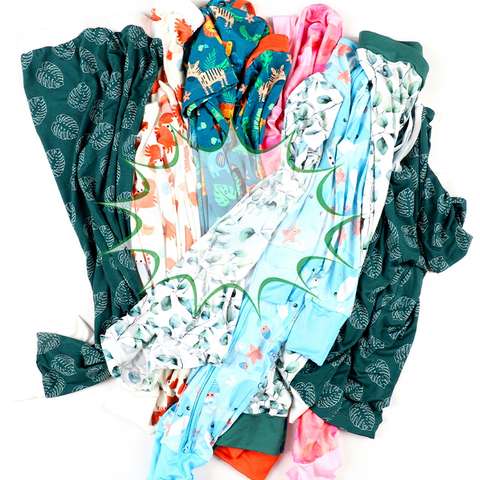
Testing Density During Production
Industrial machinery must be calibrated to ensure the correct thread tension and spacing within the loom or knitting machine. Fabric density tests involve both visual inspection and standardized procedures using modern testing devices. This ensures the resulting bamboo fabric delivers the ideal blend of features for family matching pajamas.
Industrial Machinery for Bamboo Fabric Pajama Production
Creating high-quality bamboo pajamas requires precision machinery designed to handle the specific properties of bamboo fibers. Let’s break down the industrial considerations for producing bamboo family matching pajamas.
Knitting vs. Weaving Machines
For family pajamas, manufacturers primarily use knitting machines to create jersey or interlock fabrics. These machines ensure stretchability, softness, and elasticity—qualities highly valued in sleepwear. Weaving machines, on the other hand, may be employed for more structured designs.
Fabric Finishing Equipment
Finishing techniques are crucial to ensure bamboo fabric has the right surface texture, shrink-resistance, and color fastness. The following processes are commonly employed:
- Mercerization: Improves fabric luster and strength.
- Bio-polishing: Breaks down loose microfibers to create a smoother surface.
- Drying Machines: Effective drying methods preserve the fabric’s moisture-wicking properties.
Precision in finishing not only enhances the fabric’s appearance but also impacts its functionality for all age groups.
| Fabric Type | Organic Bamboo |
| Compliance | CPSIA Compliant |
| Customization | Private Label |
| Lead Time | 24 Days |
Dyeing and Color Processing
Family matching pajamas often feature coordinated patterns and colors, requiring state-of-the-art dyeing techniques. Bamboo fabric absorbs dyes exceptionally well, resulting in vibrant colors. However, eco-friendly dyeing agents are recommended to maintain the sustainability advantage of bamboo fabric. Automated jets, screens, or roller machines paired with digital patterning help achieve consistent results across pajama sets of varying sizes.
Challenges in Large-Scale Production
While bamboo family matching pajamas have become a consumer favorite, large-scale production poses some challenges for manufacturers.
Fiber Handling
Bamboo fibers are delicate and prone to fraying if mishandled. Machines need special attachments and adjustments to maintain the physical integrity of the fibers during spinning or knitting.
Consistency Across Sizes
One of the critical challenges in family pajamas is ensuring uniformity across all sizes—from adults to toddlers. Automated sizing machinery and quality control protocols are critical for achieving consistent fabric density, GSM, and stretchability.
Sustainability vs. Scalability
Maintaining the eco-friendly appeal of bamboo fabric while producing on an industrial scale requires significant investment in green energy solutions and waste management systems. This includes water recycling during dyeing and careful sourcing of bamboo pulp from certified suppliers.
The combination of bamboo fabric and family matching pajamas presents a lucrative opportunity for manufacturers looking to meet the growing demand for sustainable and comfortable textiles. However, the innovative integration of GSM, fabric density, and industrial machinery must be meticulously addressed to ensure product quality and market success.
Manufacturers that adopt cutting-edge technology while staying committed to sustainability will play a pivotal role in shaping the future of textiles. By investing in eco-friendly production practices, delivering superior fabric quality, and leveraging industrial advancements, the industry can meet the expectations of modern consumers. Bamboo family matching pajamas are more than a trend—they are a benchmark for the future of sleepwear.