Custom Footie Baby Pajamas Oekotex 100 Oem
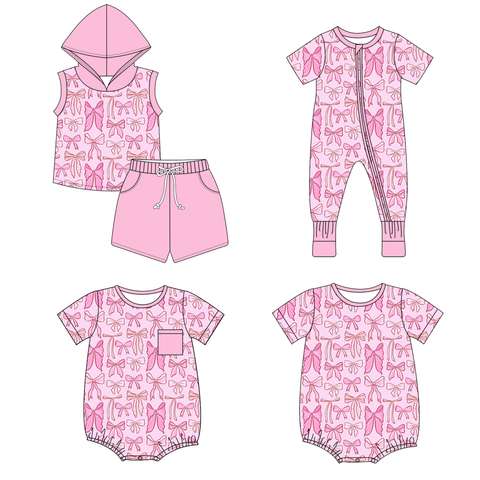
Understanding Footie Baby Pajamas Through GSM, Fabric Density, and Industrial Machinery
Footie baby pajamas are a staple in infant apparel, marrying comfort with practicality. To the discerning business, producing these garments is more than just fabric and thread—it's an intricate dance of technical considerations, from GSM and fabric density to the utilization of specialized industrial machinery.
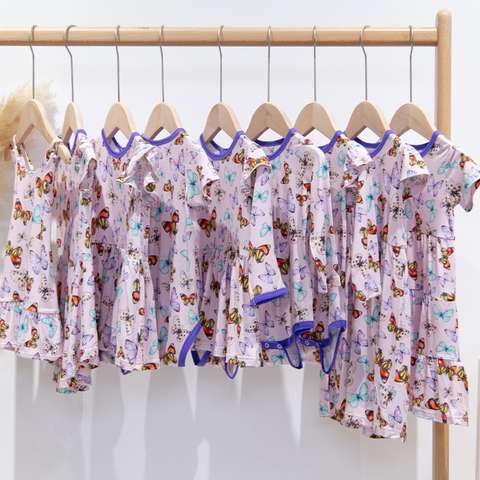
Importance of GSM in Footie Baby Pajamas
Grams per square meter (GSM) is a critical measurement in textile engineering, indicating fabric weight and thickness. In the realm of footie baby pajamas, a key consideration is balancing warmth and breathability. Pajamas require a GSM that ensures the garment is comfortable against a baby’s skin while providing adequate warmth.
Most baby pajamas are constructed with cotton, due to its hypoallergenic properties. The GSM for cotton pajamas generally falls between 120 and 250. However, for footie pajamas, which also cover the feet, manufacturers might prefer a slightly higher GSM to ensure durability and additional coziness. The weight impacts the fabric's density and, ultimately, its thermal insulation properties.
Exploring Fabric Density in Pajama Production
Fabric density, closely related to GSM, refers to the tightness of the weave or knit and has profound implications for product quality. Higher fabric density usually means better durability, which is crucial for children’s wear due to frequent laundering. This metric stabilizes the fabric's surface, enhancing the resistance to wear and tear.
For footie baby pajamas, opting for a fabric with optimal density ensures a durable product that maintains its integrity over time. Cotton interlock knit fabrics, frequently used in baby pajamas, generally have a high density due to their construction, which ensures warmth and allows slight stretching. These characteristics are pivotal for active infants, providing comfort without constricting movement.
Role of Industrial Machinery in Manufacturing
The production of footie baby pajamas is no small task and requires precision and efficiency, achievable only through specialized industrial machinery. Key machinery includes circular knitting machines for fabric creation, cutting machines for pattern accuracy, and sewing machines equipped with specific stitching capabilities.
Modern factories leverage automated cutting machines that drastically reduce material wastage and enhance precision. These advancements are pivotal in ensuring exact tolerances, which reduce defects and improve product quality. Additionally, computerized sewing machinery, capable of intricate stitching patterns such as serging, strengthens seams, crucial for garment longevity.
One must not overlook machinery dedicated to fabric finishing processes, such as compacting machines for shrinkage control. These are vital for maintaining the dimensions and shape of baby pajamas, adhering to consumer demand for products that withstand handling and numerous wash cycles.
Integrating Technology for Quality Control
Quality control in textile manufacturing is non-negotiable, especially for sensitive products like baby pajamas. Industry standards demand rigorous testing, achievable through technological integration. Near Infrared (NIR) spectroscopy and automated inspection systems are increasingly part of production lines, ensuring fabric meets predefined GSM and density criteria.
| Fabric Type | Organic Bamboo |
| Compliance | GOTS Organic |
| Customization | Tailor-made |
| Lead Time | 23 Days |
With these systems, manufacturers can ensure that each pajama batch adheres meticulously to standards. For instance, computer vision technologies employed in fabric inspection can identify inconsistencies early in the production process, preventing defective products from reaching the market. This level of precision and reliability enhances brand value and ensures customer satisfaction.
, RFID tagging of finished garments allows for efficient supply chain management, streamlining processes from storage to distribution. Such innovations in mill automation reduce human error and improve operational efficiency, setting high standards in baby apparel manufacturing.
The Future of Manufacturing Baby Pajamas
As we look to the future, sustainable practices are gaining prominence in the textile industry. Sustainable GSM and fabric density approaches, coupled with green machinery solutions, are paving the way for eco-friendly production methods. There’s a shift towards organic materials and biodegradable closures in footie pajamas, with machinery increasingly designed for minimal environmental impact.
The move towards digitalization, particularly through AI and IoT technologies, offers new frontiers in manufacturing efficiency. Smart factories with connected machinery will enable real-time data analysis and predictive maintenance, reducing downtime and optimizing production schedules. Such technological shifts promise enhanced quality assurance and precision in producing footie baby pajamas.
, the production of footie baby pajamas is a complex interplay of fabric engineering and advanced machinery. For B2B entities in the apparel industry, understanding and investing in the right GSM, fabric density, and industrial machinery is crucial to deliver high-quality, comfortable products that meet consumer demands. As technology progresses, embracing these changes will define the future standards of manufacturing excellence in baby apparel.