Custom Newborn Rompers Private Label Vendor
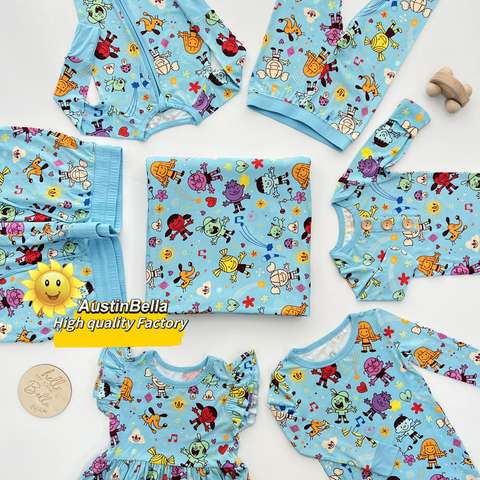
The Engineering Behind Newborn Rompers: A Technical Perspective
As the global demand for newborn clothing continues to grow, the manufacturing of newborn rompers has become an intricate interplay of advanced textile science, precise engineering, and cutting-edge manufacturing technologies. Businesses and brands looking to enter or expand in this competitive market need to understand the technical elements that ensure product quality, durability, and scalability. This article will delve into three key areas: GSM and fabric density in textile design, the role of advanced industrial machinery, and the importance of adopting innovative solutions to meet ever-evolving customer expectations.

What is GSM and Why it Matters in Newborn Romper Manufacturing?
GSM, or Grams per Square Meter, is a critical metric in fabric production and serves as a measure of the weight and thickness of the textile. For newborn rompers, achieving the right GSM is more than just balancing weight and softness; it involves careful consideration of durability, comfort, and safety. Typically, fabrics for newborn rompers range between 140-200 GSM, depending on the desired qualities.
Higher GSM fabric results in thicker, more durable rompers, ideal for colder climates where thermal insulation is a priority. Conversely, lower GSM fabrics, being thinner and lighter, are better suited for hot and humid conditions, keeping infants cool and comfortable. Striking the right GSM depends on the application, but manufacturers must also weigh in factors such as stretchability, drape, and washability.
Fabric Density vs. GSM: Understanding the Interplay
While GSM measures fabric weight, fabric density focuses on the number of fibers or threads packed within a unit area of the textile. For baby apparel, this is an equally important consideration, as dense fabrics may offer enhanced durability but could hinder breathability. The challenge for engineers is to strike a balance between the two metrics.
For newborns, comfort is paramount, which means the fabric must allow air circulation while providing sufficient coverage. A higher fiber count per inch creates a smoother surface, reducing the risk of skin irritation—a key factor when creating textiles for sensitive newborn skin. Combining high-quality natural materials, such as organic cotton, with advanced weaving techniques enables manufacturers to achieve the ideal balance.
Advancements in Industrial Machinery for Romper Production
The development and application of advanced industrial machinery have elevated the manufacturing process of newborn rompers to new heights. From automated knitting machines to multifunctional sewing systems, the integration of high-precision equipment ensures consistency, scalability, and cost efficiency.
Knitting Machines
Modern circular knitting machines are widely utilized for producing stretchable and moisture-wicking fabrics used in newborn rompers. These machines can be calibrated to achieve specific GSM values and fabric densities by adjusting parameters such as feeder count, yarn tension, and rotation speed.
Sewing Automation
Automated sewing systems equipped with robotic arms and artificial intelligence (AI) have proven transformative for romper production lines. These systems can perform intricate tasks such as stitching snaps, creating flatlock seams, and assembling multi-panel designs with high accuracy and speed.
Cutting and Pattern Machinery
Precision cutters powered by computer-aided design (CAD) systems have streamlined the creation of complex romper patterns. Laser or ultrasonic cutting reduces fabric waste while offering unparalleled accuracy, essential in both small and large-scale production settings.
How Quality Control is Reinforced by Technology
Maintaining strict quality standards is critical when manufacturing products for infants. Today's industry relies heavily on technology to automate and enhance quality control processes. Optical inspection systems, integrated into the production line, help identify issues such as uneven fabric density, missing stitches, or improper pattern alignment.
, tensile testing machines ensure romper durability by simulating wear and tear scenarios. These tests are particularly important for snaps and seams, which experience repeated stress during daily use. Additional testing, such as colorfastness analysis and shrinkage control, ensures longevity and customer satisfaction.
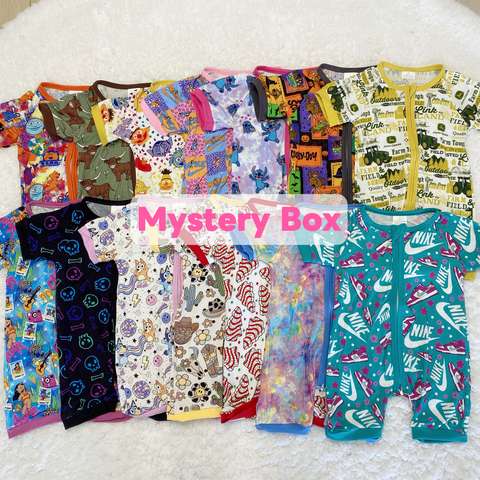
Innovative Materials in Newborn Romper Manufacturing
Material innovation is another frontier being explored in romper manufacturing. In recent years, the advent of sustainable fabrics such as bamboo viscose and Tencel has provided new eco-friendly alternatives. These materials are not only softer and more breathable but are also aligned with growing consumer demand for sustainability.
Engineered fabrics that integrate technology, such as moisture-wicking fibers and anti-microbial finishes, are increasingly used in romper design. These materials enhance the product's performance by preventing bacterial growth and keeping the baby dry and comfortable. Machine learning algorithms integrated into textile chemistry are also accelerating the discovery and production of new fabric compositions tailored for infant applications.
: A Technology-Driven Market
The manufacturing of newborn rompers is a dynamic and technology-driven industry that combines advanced engineering principles with evolving consumer needs. From selecting the ideal GSM and fabric density to adopting state-of-the-art machinery, each stage of production is optimized for quality, scalability, and sustainability.
For B2B partners involved in the textile and babywear industry, understanding these technical processes is essential for delivering high-quality, innovative products. The investment in advanced manufacturing equipment and sustainable materials not only enhances production efficiency but also aligns with a market demanding eco-conscious, high-performance solutions.
As machinery becomes more automated and intelligent, and as new textile technologies emerge, the future of newborn romper manufacturing is bright—and ripe for innovation.
| Fabric Type | Pima Cotton |
| Compliance | GOTS Organic |
| Customization | Tailor-made |
| Lead Time | 27 Days |