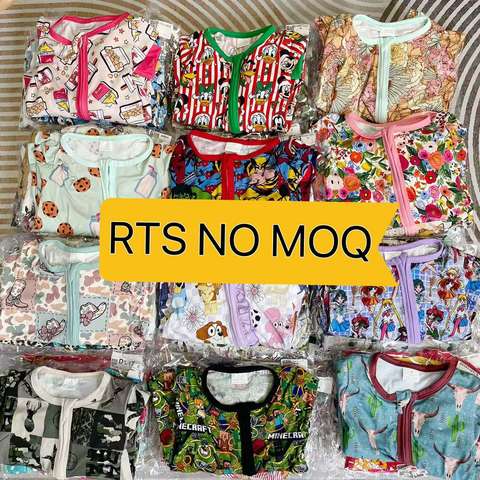
Custom Wholesale Bamboo Clothing Tailormade Exporter
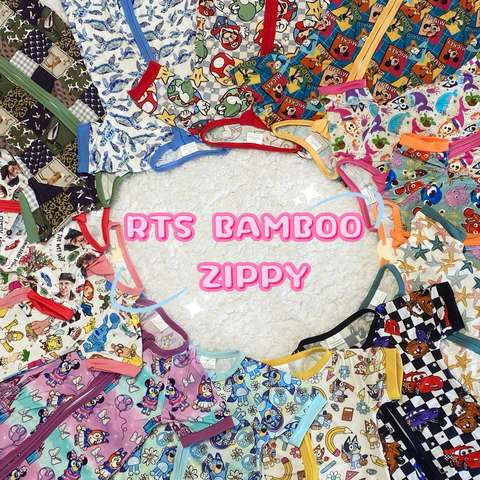
Wholesale Bamboo Clothing: Exploring Fabric and Production Processes
Bamboo clothing has emerged as a game-changer within the textile and fashion industries, often touted for its sustainability and versatile fabric properties. In the world of wholesale manufacturing, understanding the technical aspects of bamboo fabrics, such as their GSM (grams per square meter) and fabric density, as well as the industrial machinery involved in production, is key to maximizing efficiency and quality. This article delves into these critical topics, offering insights that are particularly relevant for businesses seeking to source or produce wholesale bamboo clothing at scale.
What Makes Bamboo Fabrics Unique in Wholesale Clothing?
Bamboo textiles are celebrated for their softness, breathability, and antibacterial properties. The plant's low environmental impact during cultivation also aligns with growing consumer demand for sustainable materials. However, in a competitive wholesale landscape, these attributes alone are insufficient. Manufacturers and buyers must consider the fabric's GSM, density, and stretch ratio to determine which applications it is best suited for—ranging from activewear to loungewear.
Another unique feature of bamboo fabrics is their ability to blend with other textiles, such as cotton or spandex. These blends further enhance specific properties like elasticity or durability, which are critical for wholesale buyers who must cater to diverse customer demands.
The Importance of GSM in Bamboo Fabrics
GSM (grams per square meter) is a crucial measurement in the textile industry, directly impacting the feel, durability, and intended application of wholesale bamboo clothing. Essentially, GSM measures the weight of the fabric per square meter, offering a standardized method to compare materials regardless of their composition.
Low GSM Fabrics
Low GSM fabrics (approximately 150–180 GSM) are lightweight and breathable, making them ideal for warm-weather clothing like t-shirts or lightweight undergarments. Since bamboo fibers are inherently smooth and moisture-wicking, low GSM fabric offers enhanced comfort and wearability during hot and humid conditions.
High GSM Fabrics
On the other hand, high GSM bamboo fabrics (200 GSM and above) are more robust and durable, suitable for activewear, outerwear, or premium loungewear. These fabrics retain the same softness and breathability but also provide added thickness and insulation, making them versatile for weather adaptability.
For wholesale buyers, the GSM selection significantly affects inventory planning, as higher GSM fabrics have elevated production costs and appeal to a segment willing to pay a premium for quality.
Understanding Fabric Density in Bamboo Textiles
Apart from GSM, fabric density is another vital metric to analyze when evaluating bamboo textiles. Fabric density refers to the number of threads per inch in a fabric weave or knit, which directly impacts the appearance, durability, and texture of wholesale bamboo clothing.
Knitted Bamboo Fabrics
Bamboo fabric can be constructed either as a woven or knit material. In wholesale clothing, knitted bamboo fabrics—such as jersey knits—are particularly popular because of their stretch properties and softness. The fabric density of these materials determines their elasticity and performance when used in garments like leggings or fitted tops.
Woven Bamboo Fabrics
Woven bamboo textiles typically display a higher fabric density than their knitted counterparts. They are ideal for garments requiring structure, such as formal wear or tailored pieces. High-density woven bamboo fabrics are also preferred for industrial or medical-grade applications due to their durability and uniformity.
When selecting fabric density for wholesale bamboo clothing, industrial buyers must carefully consider the end use of the material while balancing cost-efficiency. Higher density entails a more intricate weaving process, increasing production time and material usage.
Industrial Machinery for Bamboo Fabric Production
The production of wholesale bamboo clothing is heavily reliant on state-of-the-art industrial machinery that ensures fabric quality, uniformity, and scalability. While bamboo is a natural resource, turning it into a usable textile for garments involves several highly technical processes.
Fiber Extraction
The first stage involves extracting bamboo cellulose from the plant. This can be executed using a mechanical process (for traditional bamboo linen) or a semi-chemical process (for bamboo viscose). Industrial machinery such as crushing rollers and degumming tanks plays a critical role in separating the fibers while maintaining efficiency for bulk processing.
Spinning Machinery
Once the fibers are extracted, they are spun into bamboo yarn via high-speed spinning machines. These machines are engineered to handle both pure bamboo fibers and hybrid blends, ensuring consistent thread quality. The spinning process often includes twists to enhance tensile strength or various treatments to improve dye absorption.
Knitting and Weaving Machines
For producing fabric rolls at scale, industrial knitting and weaving machines are indispensable. Circular knitting machines are commonly used for mass production of bamboo jersey fabrics, while power looms and air-jet looms handle woven designs. These machines can be customized to achieve specific GSM and fabric density specifications, ensuring consistency in wholesale orders.
Dyeing and Finishing Equipment
The final stages of bamboo fabric preparation involve dyeing and finishing. Advanced textile dyeing machines ensure color consistency and penetration across large fabric batches. Bamboo textiles are incredibly receptive to dyes, resulting in vibrant shades with minimal environmental impact. Once dyed, the fabric passes through calendaring or heat-setting machines to achieve a smooth texture and desired finish.
Advantages of Wholesale Bamboo Clothing
Bamboo clothing offers a myriad of advantages for wholesalers, making it an increasingly popular option in the textile industry. Chief among these are its environmental benefits, as the bamboo plant requires less water, no pesticides, and grows rapidly. However, the technical advantages of bamboo fabrics are equally compelling.
| Fabric Type | Organic Bamboo |
| Compliance | CPSIA Compliant |
| Customization | OEM |
| Lead Time | 33 Days |
Durability and Comfort
Despite its natural softness, bamboo fabric is incredibly durable, especially when woven or knitted to high density. This combination of resilience and comfort makes it a preferred option for brands specializing in everyday wear or performance clothing.
Moisture-Wicking and Antibacterial Properties
Bamboo’s natural moisture-wicking and antibacterial properties make it ideal for activewear and undergarments. Wholesale buyers catering to health-conscious consumers can leverage these unique properties to target niche markets.
Scalability in Production
The scalability offered by advanced industrial machinery makes bamboo clothing efficiently producible at wholesale quantities. Businesses entering the bamboo apparel market can rest assured knowing that modern textile technology supports rapid production without cutting corners on quality or sustainability.
Wholesale bamboo clothing represents a significant opportunity for businesses in the fashion and textile industries. From low to high GSM options tailored to various applications, to the intricate balance of fabric density, bamboo textiles offer versatility for producers and consumers alike. Complemented by the latest industrial machinery, the scalability and consistent quality of bamboo fabrics ensure that this sustainable material is poised to dominate wholesale manufacturing markets.
As demand for eco-friendly apparel continues to grow, understanding the technicalities of GSM, fabric density, and production processes becomes not just beneficial but essential for staying ahead in the competitive B2B marketplace. For wholesale buyers, investing in bamboo clothing means aligning with global sustainability goals while catering to evolving consumer preferences.