Gots Organic Baby Bamboo Pajamas Romper Bespoke Manufacturer
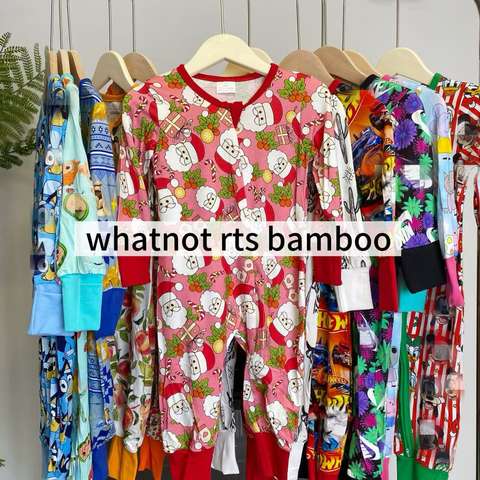
Baby Bamboo Pajamas Romper: Combining Performance and Comfort
In the competitive world of textile manufacturing for baby apparel, the baby bamboo pajamas romper stands as a product that has caught the attention of both consumers and producers alike. Its significance, however, extends beyond aesthetics. From GSM and fabric density to advancements in industrial machinery, the engineering behind this delicate yet durable apparel deserves a closer look. This article delves into the technical specifics that make baby bamboo pajamas rompers a practical yet luxurious choice for the B2B market.
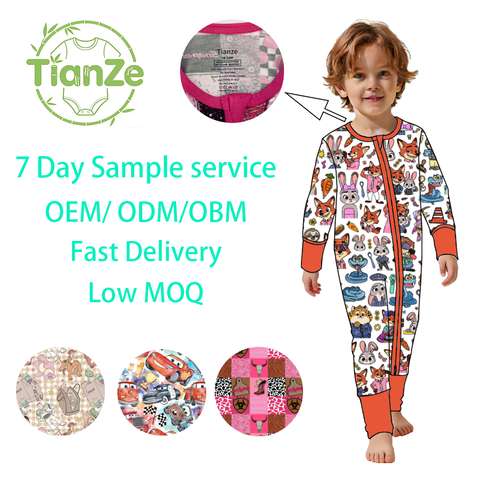
The Importance of GSM and Fabric Density in Bamboo Baby Wear
One of the foundational aspects that dictate the quality, comfort, and performance of a baby bamboo pajamas romper is its GSM, or grams per square meter. GSM measures the weight and density of fabric, which directly correlates to durability, softness, and breathability. For baby wear, finding the ideal GSM is critical to ensuring the garment is lightweight, soft for sensitive skin, and durable enough to withstand frequent wash cycles.
Typical GSM values for bamboo babywear fall between 150 and 200 GSM. A romper manufactured with a GSM of 170, for instance, strikes an optimal balance. It’s lightweight enough for breathability but dense enough to provide excellent durability, ensuring the baby's comfort while offering practicality for parents.
In addition to GSM, fabric density plays a role in temperature regulation—a key feature of bamboo fabric. Bamboo fibers naturally possess micro-gaps that enhance moisture-wicking, making the romper a versatile option in both warm and cool seasons. These engineered fibers also contribute to hypoallergenic properties, which are aesthetically and functionally desirable for baby wear.
Manufacturing Process: The Role of Advanced Industrial Machinery
The production of bamboo baby pajamas rompers involves a seamless integration of high-quality bamboo fabric and state-of-the-art industrial machinery. Each stage of production, from raw material processing to sewing and finishing, demands precision and efficiency.
Leading industrial machinery used in baby bamboo apparel production includes automated circular knitting machines, hydraulic fabric cutters, and ultrasonic sewing machines. Let’s break down their contributions:
1. Circular Knitting Machines for Bamboo Fabric Creation
Circular knitting machines play a vital role in the creation of bamboo fabric. These machines are engineered for high-speed knitting, offering consistent loops and weaves that directly impact fabric density. Bamboo yarn is fed into the machines, where it is interlocked to create a jersey-knit fabric often used for baby rompers. Advanced models come equipped with computerized settings, allowing technicians to adjust tension, loop counts, and speed to achieve the desired GSM and elasticity.
2. Hydraulic Cutting Machines for Precision
The cutting phase calls for exceptional accuracy, especially for baby apparel, where dimensions must be exact to maintain comfort and proper fit. Hydraulic fabric cutting machines leverage pressurized systems to cut multiple layers of bamboo fabric simultaneously. By using CAD (Computer-Aided Design) systems, manufacturers can optimize fabric usage, minimizing waste while ensuring precision. Such automation ensures uniformity when producing rompers at scale.
3. Ultrasonic Sewing Machines: Seamless Comfort
Bamboo fabric’s delicate fibers require gentle handling during the assembly phase. Modern ultrasonic sewing machines create smooth, strong seams without the need for traditional stitching. The ultrasonic process uses high-frequency sound waves to bond fabric layers, eliminating the potential discomfort created by bulky seams. For baby rompers, this is crucial in ensuring seamless construction that doesn’t irritate the infant’s skin.
Bamboo Fabric: A Sustainable and Technical Marvel
Bamboo has emerged as a standout material for baby clothing due to its sustainability, durability, and technical properties. Compared to traditional cotton, bamboo processing requires significantly less water and pesticides, making it an eco-friendlier alternative. This emphasis on sustainability aligns with the growing environmental consciousness in the B2B market.
On a technical level, bamboo fibers are prized for their tensile strength and softness. The closed-loop viscose production process involves breaking down raw bamboo fibers using non-toxic solvents before they are spun into yarn. This ensures that the resulting fabric is biodegradable and retains all the natural properties of bamboo, such as breathability and moisture absorption.
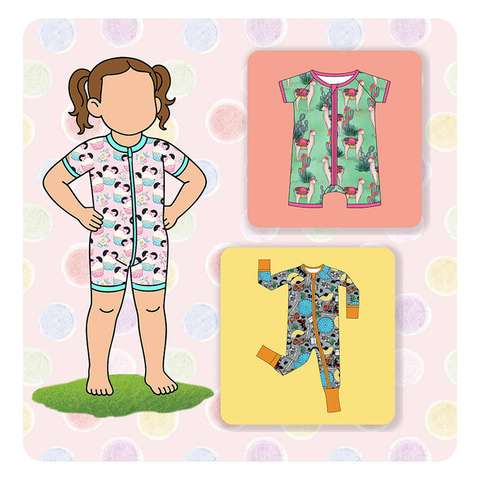
Post-Production Optimization: Quality Control and Finishing
Once the manufacturing process is complete, baby bamboo pajamas rompers undergo extensive quality control and finishing processes. This includes fabric inspection, where assessments are carried out for elasticity, shrinkage, and colorfastness. The nature of bamboo fabric allows some degree of shrinkage but it is generally minimal when high-quality fibers and machinery are utilized during production.
Fabric finishes can further augment product performance. Anti-pilling treatments ensure a longer-lasting surface smoothness, while softeners are applied to enhance the luxurious feel of the romper. Some manufacturers also opt for eco-friendly dyeing processes to enhance the garment’s sustainability credentials while achieving vibrant colors.
Trends Shaping the Future of Bamboo Baby Apparel
The rise of bamboo baby apparel is more than a trend; it’s a shift that highlights the growing demand for sustainable and high-performance fabrics. Innovations in manufacturing are continually driving costs down, making bamboo baby rompers an increasingly viable solution for large-scale distribution. , with technological advancements such as IoT-enabled textile machinery, manufacturers are achieving unprecedented levels of precision and automation.
Another trend is the integration of smart textiles in baby wear. Antimicrobial treatments embedded within bamboo fabrics, for example, cater to hygiene-conscious parents. Market leaders in B2B are also extending their ranges by incorporating multi-functional designs, such as rompers that adapt as the baby grows, enhancing both usability and value over time.
: Engineering Superior Baby Bamboo Pajamas Rompers
The production of baby bamboo pajamas rompers requires a harmonious blend of high-quality raw materials, optimal GSM and fabric density, and state-of-the-art manufacturing techniques. With enhanced comfort, eco-friendliness, and performance, these rompers represent a compelling choice for businesses aiming to cater to parents’ growing demand for sustainable and high-performance baby products.
| Fabric Type | Pima Cotton |
| Compliance | OEKO-TEX 100 |
| Customization | Private Label |
| Lead Time | 17 Days |
For B2B buyers, understanding the engineering aspects of these garments is essential to making informed procurement decisions. Bamboo baby wear represents an opportunity to align consumer demand for comfort and sustainability with industrial innovation, creating products that deliver on both fronts.