Gots Organic Bamboo Pajamas Toddler Solid Oekotex 100 Supplier
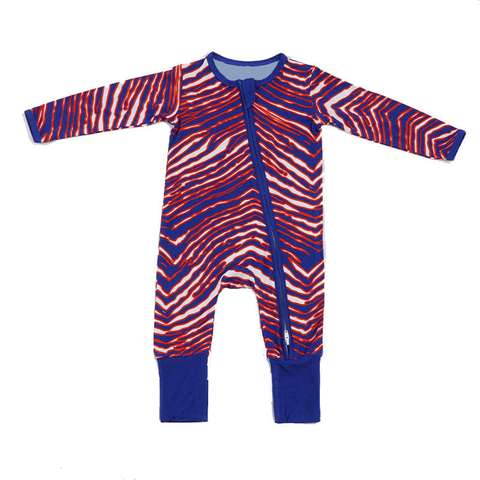
Bamboo Pajamas for Toddlers: A Technical Perspective
Bamboo textiles have revolutionized the fabric industry, providing an eco-friendly, soft, and durable option for children’s apparel. In particular, bamboo pajamas tailored for toddlers—known for their solid construction and luxurious feel—are becoming a preferred choice for B2B clients in the apparel sector. From determining fabric density and GSM (grams per square meter) to leveraging cutting-edge industrial machinery for precision, creating the perfect bamboo pajamas for toddlers involves a blend of technical expertise and advanced manufacturing processes.
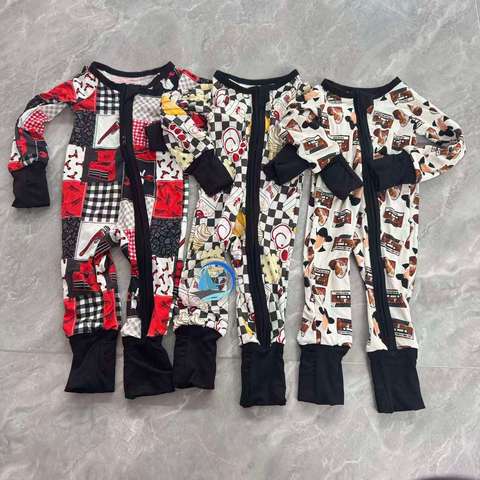
Understanding the GSM of Bamboo Fabric
The term GSM (grams per square meter) is a critical metric for evaluating the weight and quality of fabrics. In the realm of bamboo textiles, choosing the ideal GSM depends on a balance between comfort, durability, and breathability—factors essential for toddler clothing.
- Lightweight GSM (150-180): Bamboo fabric in this weight range is breathable and highly suitable for warm climates. It offers a silky feel but may lack structural support for heavier-duty sleepwear.
- Medium GSM (180-250): This is considered the sweet spot for toddler pajamas. Medium GSM fabric provides enough weight for durability, ensuring it withstands wear and tear, while maintaining exceptional softness and flexibility for children.
- High GSM (250+): Though rare for toddlers’ sleepwear, heavier GSM bamboo textiles are resilient and warm, ideal for colder climates. However, such materials may sacrifice a degree of breathability and flexibility.
To ensure consistency in GSM during manufacturing, advanced fabric density testing equipment is employed, performing automated measurements throughout production. These tools ensure that every lot of fabric meets predetermined specifications, guaranteeing a uniform quality for B2B customers.
The Role of Fabric Density in Bamboo Pajamas
While GSM outlines weight, fabric density pertains to the compactness of the threads in a material. Fabric designers working with bamboo fibers must strike a balance between density and stretch to optimize comfort and durability. For toddler sleepwear, several factors come into play:
- Thread Count: Higher thread counts typically increase fabric durability, but may compromise stretch. Bamboo fibers inherently allow for higher thread counts without losing softness, making it an ideal material.
- Knit Types: A jersey knit or interlock knit structure is frequently used for bamboo pajamas due to its flexibility and breathability. These techniques ensure minimal restriction in movement for active toddlers.
- Moisture Management: The natural moisture-wicking properties of bamboo fabric mean that an optimal density is required to prevent it from becoming oversaturated, particularly in warmer environments.
Industrial-grade knitting and weaving machines are used during production to guarantee even density throughout the fabric, critical for maintaining the quality of bamboo textiles in toddler pajamas.
Industrial Machinery in Bamboo Textile Manufacturing
Modern textile manufacturing for bamboo fabrics heavily relies on sophisticated machinery to enhance precision, efficiency, and sustainability. Below is an overview of key equipment involved in the production of toddler-specific, solid-color bamboo pajamas:
1. Spinning and Yarn Production
The creation of high-quality bamboo yarn is the foundation of fabric manufacturing. Spinning machines convert bamboo pulp into fibers and then twist them into fine yarn. Advanced control panels monitor the evenness and tension of the yarn to meet the specific performance criteria for children’s sleepwear.
2. Knitting and Weaving Machines
To achieve the desired structure for toddler pajamas, knitting and weaving machinery is employed. Circular knitting machines are frequently used for bamboo jersey knits, employing small-diameter cylinders that align with typical apparel requirements. Industrial looms may also be used for tighter weaves, adding durability to the fabric.
3. Dyeing and Finishing Lines
Solid-color bamboo pajamas for toddlers require precise dyeing processes to achieve rich, even coloration. Automated dyeing lines ensure accurate color matching in bulk production, while maintaining ecological standards by minimizing water and chemical use.
, finishing machinery treats the fabric post-dyeing, providing additional softness, anti-pilling properties, and shrink-resistance—factors necessary for a toddler’s clothing to retain its quality even after several washes.
4. Cutting and Sewing Automation
The final stage in pajama production involves fabric cutting and garment assembly. Laser-guided cutters reduce fabric waste, achieving greater precision in pattern cutting. Sewing automation ensures consistent stitching, reinforcing seams for durability while maintaining the stretch required for children’s clothing.
Despite the heavy reliance on automation, human intervention remains essential in quality control to identify potential flaws that machines might miss.
| Fabric Type | Organic Bamboo |
| Compliance | GOTS Organic |
| Customization | Tailor-made |
| Lead Time | 19 Days |
Sustainability and Bamboo Textiles: B2B Implications
One of the biggest advantages of bamboo pajamas for toddlers is their eco-friendliness. For B2B buyers, sustainability is a growing priority, with demand for environmentally responsible products driving the market. Bamboo production aligns with these requirements:
- Renewable Resource: Bamboo grows rapidly and requires minimal resources, such as water and pesticides, compared to cotton or synthetic fibers.
- Biodegradable Fabric: Bamboo textiles decompose naturally, contributing to end-of-life sustainability in garments.
- Closed-Loop Processing: Many manufacturers employ closed-loop systems in bamboo fiber production, wherein chemicals used in processing are captured and reused, minimizing environmental impact.
- Energy Efficiency: Modern machinery enhances resource efficiency, particularly in dyeing and finishing processes, further reducing environmental footprints.
For businesses in the textile industry, offering bamboo pajamas provides a competitive advantage in meeting sustainability benchmarks without compromising on product quality and appeal.
From fabric density and GSM to state-of-the-art machinery, manufacturing bamboo pajamas for toddlers is a meticulous and highly technical process. The unique properties of bamboo fabrics—moisture management, softness, and durability—make them an excellent choice for children’s sleepwear. Advanced industrial machinery ensures production scalability, consistency, and efficiency, while sustainability concerns are addressed through eco-friendly practices.
For B2B textile buyers, investing in bamboo pajamas offers an opportunity to deliver high-quality, environmentally conscious products to end consumers, positioning themselves as leaders in the competitive children’s apparel market.