Gots Organic Bamboo Viscose Jogger Pants Tailormade Oem
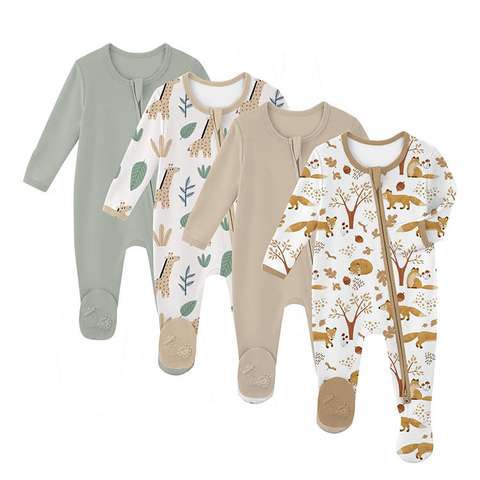
Bamboo Viscose Jogger Pants: A Technical Overview
The demand for bamboo viscose jogger pants has surged in recent years thanks to their sustainability, comfort, and performance qualities. Behind their popularity lies a web of engineering, fabric construction, and manufacturing expertise. In this article, we examine the technical aspects that define these garments—namely GSM (grams per square meter), fabric density, and the role of industrial machinery in their production.
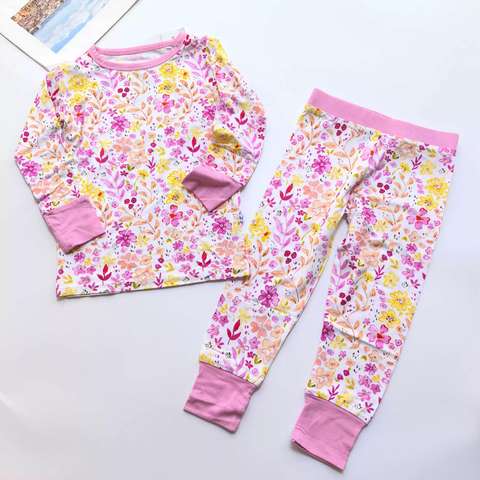
Understanding Bamboo Viscose and Its Unique Properties
Bamboo viscose, also known as bamboo rayon, is a textile derived from natural bamboo cellulose. Its growing appeal stems from its eco-friendly attributes and high-performance properties. To produce bamboo viscose, raw bamboo is chemically treated and spun into fibers—creating a fabric that is soft, breathable, and highly durable.
For jogger pants, bamboo viscose offers several advantages, such as moisture-wicking capabilities, hypoallergenic characteristics, and the ability to regulate temperature naturally. These benefits are augmented by the engineering and manufacturing processes, where critical elements like fabric density and GSM dictate the performance and feel of the final product.
The Role of GSM in Fabric Engineering
GSM, or grams per square meter, is a key measurement in fabric engineering. It refers to the weight of the fabric per square meter and serves as an indicator of fabric thickness, durability, and performance. For bamboo viscose jogger pants, selecting the appropriate GSM is essential to balancing softness, breathability, and structural integrity.
Jogger pants made from bamboo viscose typically fall within the medium-weight fabric category (200-250 GSM). Here’s why this range is ideal:
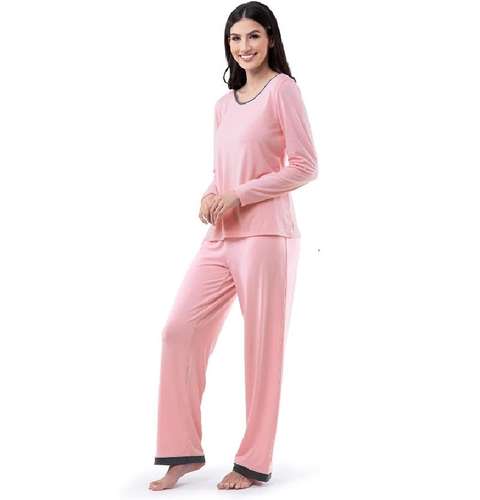
- Comfort: A GSM in the 200-250 range provides a soft, lightweight feel, ensuring wearer comfort during extended periods of activity.
- Durability: Medium-weight fabrics can endure the wear and tear of daily use, striking a balance between flexibility and tensile strength.
- Breathability: Appropriate GSM levels support airflow while maintaining sufficient insulation, making the jogger pants suitable for diverse climates.
Precision in GSM control is crucial during the manufacturing process, as deviations outside the specified range can alter the pants' performance and customer satisfaction. Manufacturers frequently test fabric samples during production to ensure consistency in GSM measurements.
Fabric Density: Engineering for Comfort and Performance
Closely linked to GSM, fabric density refers to the number of threads per unit area in woven or knitted textiles. For jogger pants, fabric density determines properties such as elasticity, strength, and air permeability, all of which affect the user experience.
Bamboo viscose jogger pants typically feature knitted fabrics, such as single jersey, interlock, or French terry. The choice of knit pattern impacts the final density and technical performance of the garment:
- Single Jersey: Known for its lightweight and stretchy qualities, single jersey fabrics enhance flexibility and a snug fit.
- Interlock: With a tighter knit, interlock fabrics boast superior durability and insulation, making them ideal for cooler climates.
- French Terry: Featuring loops on the fabric’s inner surface, French terry combines softness with moisture-wicking, ideal for activewear applications.
Fabric density is further influenced by the spinning process, where bamboo viscose fibers are converted into yarn. Factors like yarn twist and fineness directly impact the tensile strength and density of the finished fabric.
Industrial Machinery for Bamboo Viscose Jogger Pants
The manufacturing of bamboo viscose jogger pants relies heavily on advanced industrial machinery to ensure efficiency, precision, and cost-effectiveness. Below is an overview of the key machinery involved in the process:
1. Spinning Machines
Bamboo fibers are initially processed and refined into yarn using ring spinning or open-end spinning machines. Ring spinning produces high-quality, fine yarns suitable for lightweight fabrics, while open-end spinning is optimized for bulkier, cost-efficient yarns. Each approach provides tailored results depending on the target GSM and fabric density.
| Fabric Type | Organic Bamboo |
| Compliance | CPSIA Compliant |
| Customization | Custom |
| Lead Time | 29 Days |
2. Knitting Machines
Circular knitting machines are widely used to produce the flexible, stretchy fabrics required for jogger pants. Fully automated systems are capable of handling different knit structures—allowing manufacturers to switch between single jersey, interlock, and French terry fabrics as needed. Parameters such as stitch length and loop density are precisely controlled to achieve the desired fabric density.
3. Dyeing and Finishing Units
Once the fabric is created, it undergoes dyeing and finishing—two crucial steps that influence the aesthetic and tactile properties of the fabric. High-pressure dyeing machines ensure that eco-friendly dyes penetrate bamboo viscose fibers evenly. Additionally, finishing machines apply treatments like anti-pilling, moisture-wicking, or antibacterial coatings to enhance performance.
4. Sewing Machines
Garment assembly involves high-speed industrial sewing machines capable of managing elasticized components, such as waistbands and cuffs, with precision. Overlock and flatlock sewing machines are commonly used to create clean, durable seams that improve both the functionality and visual appeal of bamboo viscose joggers.
The Sustainability Factor
The sustainable nature of bamboo viscose jogger pants extends beyond the raw material. By adopting energy-efficient machinery and eco-friendly textile finishes, manufacturers can reduce their environmental impact. For instance:
- Closed-loop systems in bamboo viscose production recycle and reuse solvents, minimizing wastewater and chemical waste.
- Energy-efficient dyeing and finishing units significantly reduce water and energy consumption.
- Automation in sewing and knitting enhances precision, cuts waste, and improves production throughput.
: Technical Mastery in Sustainable Fashion
Bamboo viscose jogger pants represent a fusion of sustainability, technical engineering, and state-of-the-art manufacturing. From achieving ideal GSM and fabric density to leveraging advanced industrial machinery, every step of the production process contributes to the product's performance and appeal.
For manufacturers and suppliers in the activewear and loungewear markets, understanding the science behind bamboo viscose and embracing efficient production techniques is key to meeting consumer demand and maintaining a competitive edge. With the continued evolution of industrial machinery and material science, the future of sustainable, high-performance apparel holds immense potential.