Gots Organic Christmas Bow Print Pajamas Bespoke Oem
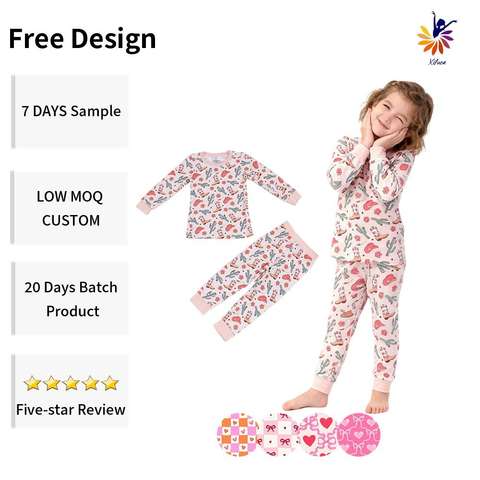
The Engineering of Christmas Bow Print Pajamas in the Textile Industry
The holiday season brings increased demand for festive products, with Christmas bow print pajamas remaining a staple among consumers. For businesses in the textile and apparel industry, understanding the technical production elements—such as fabric GSM (grams per square meter), fabric density, and the role of industrial machinery—is critical. This article explores these key parameters and how they affect the efficiency, durability, and quality of Christmas bow print pajamas.
Fabric GSM and Its Significance
In the manufacturing of Christmas pajamas, fabric GSM acts as a defining characteristic of the material's weight and thickness. For seasonal sleepwear, an optimal GSM ensures that the pajamas provide comfort without compromising on durability, softness, or aesthetic appeal. Typically, fabrics for pajamas have a GSM ranging from 150 to 220. Here's why:
- Weight: A GSM between 150-200 is lightweight and breathable, ideal for maintaining comfort during indoor wear.
- Durability: Heavier GSM fabrics (190-220) increase the garment's longevity, ensuring it withstands multiple washes without pilling or losing tensile strength.
- Print Adherence: A higher GSM allows better adhesion of Christmas-themed designs, such as intricate bow patterns, during the printing process, reducing the risk of cracking or fading.
For Christmas bow print pajamas, a GSM in the range of 180-200 is commonly favored. This balance caters to both aesthetics (crisp prints and bows) and functional wearability.
Fabric Density and Comfort Dynamics
Fabric density is an equally critical factor when it comes to the production of pajamas. It refers to the concentration of yarns within a unit area of the fabric, often measured in thread count for woven fabrics or loops per square inch for knits. A higher fabric density typically enhances the opacity of the fabric—a crucial consideration for modesty and market-appropriate designs.
Knitted vs. Woven Fabrics
The selection of fabric type—knit or woven—affects density and elasticity:
- Knitted Pajamas: Commonly used for their stretch and softness, perfect for the snug but non-restrictive fit required in pajamas. Knit fabrics, like jersey, have a moderate density and provide excellent drape for casual wear.
- Woven Pajamas: Valued for their structured fit and smooth texture, woven fabrics like flannel prioritize insulation and long-term wear. Their tighter weave improves the density and print sharpness.
For Christmas bow prints, knitted fabrics enable seamless curves of intricate bows, while woven designs allow sharp, precise outlines. Manufacturers often choose a balanced medium of density, ensuring that the fabric supports both the design and functional requirements.
Balancing Density and GSM
While GSM governs the weight of the material, density influences the fabric's strength and coverage. In creating Christmas pajamas, manufacturers must harmonize these properties. Too low a density can result in a flimsy product, even with a heavy GSM. Conversely, an excessively high density might cause the material to stiffen, reducing wearability. By employing advanced machinery, manufacturers optimize these variables, tailoring the fabric to meet both market demands and customer satisfaction.
Role of Industrial Machinery in Pajama Production
Industrial machinery is the backbone of modern apparel manufacturing. Producing high-quality Christmas bow print pajamas requires precision, consistency, and scalability—all of which depend on advanced textile processing technology.
Fabric Creation
The process begins with fabric creation, primarily through knitting or weaving machines:
- Knitting Machines: Computerized flatbed or circular knitting machines produce fabrics like jersey and interlock, which are ideal for cozy and stretchy sleepwear.
- Weaving Machines: Shuttleless rapier and air-jet looms are used for denser fabrics like woven cotton or flannel, guaranteeing durability and resistance to wear-and-tear.
Advanced machinery enables quick switching between production lines, allowing manufacturers to adapt to holiday surges in demand.
Printing Technology
The hallmark of Christmas bow print pajamas is the festive design. Techniques like rotary screen printing, heat transfer printing, and digital printing play key roles:
| Fabric Type | Organic Bamboo |
| Compliance | CPC Certified |
| Customization | Private Label |
| Lead Time | 35 Days |
- Rotary Screen Printing: Ideal for large-scale production, this technique uses engraved screens to transfer designs rapidly and accurately onto fabric.
- Heat Transfer Printing: Ensures crisp, vibrant colors for intricate patterns like bows, though better suited for smaller production runs.
- Digital Printing: Offers unparalleled flexibility in creating complex and multi-color patterns, with minimal fabric waste compared to analog methods.
Selection of the appropriate printing technique depends on production scale, design complexity, and cost considerations. For example, rotary printing is often prioritized for bulk holiday-themed pajama orders.
Cutting and Sewing
Laser cutting machines and automated sewing technologies enhance precision and speed in assembling pajamas. These machines ensure that sizing, seam alignment, and garment construction meet industry standards while minimizing fabric wastage. For Christmas bow print pajamas, consistent matching of the bow design across seams exemplifies the role of precision cutting in maintaining quality.
: Why Technical Excellence Matters
For B2B buyers in the retail and wholesale apparel industry, technical excellence in the production of Christmas bow print pajamas is non-negotiable. Every parameter—GSM, fabric density, yarn composition, and industrial machinery—affects the final product's quality, visual appeal, and cost-effectiveness. Leveraging high-grade materials and state-of-the-art machinery ensures not only scalability but also customer satisfaction during the festive season.
As demand peaks during the holidays, partnering with manufacturers well-versed in the intricate balance of density, weight, and production efficiency will set your business apart in a competitive market. Whether it’s through the softness of knitted fabrics, the sharp detail of digital printing, or the structured warmth of woven flannel, Christmas bow print pajamas embody a synthesis of engineering precision and festive spirit.