Odm Bamboo Summer Sleepers Custom Oem

Understanding Bamboo Summer Sleepers: The Technical Perspective
Bamboo summer sleepers are gaining immense traction in the global textile market, thanks to their eco-friendly nature, moisture-wicking properties, and lightweight comfort. At the heart of their production lies a fascinating blend of material science and industrial engineering. This article explores the technical aspects of bamboo fabric, with a special emphasis on GSM, fabric density, and the role of machinery used in their manufacturing.
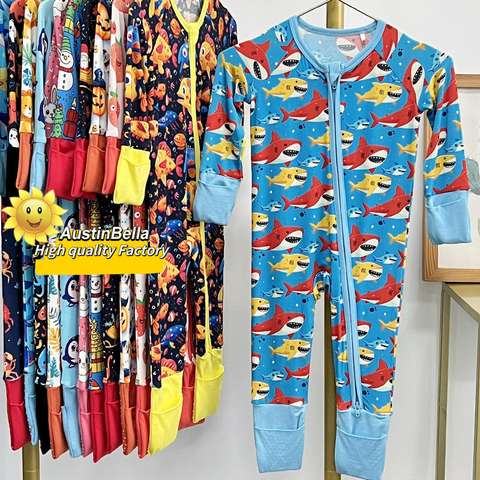
What is GSM in Bamboo Summer Sleepers?
GSM, or grams per square meter, is a standardized measurement that quantifies the weight of fabric per square meter of material. For bamboo summer sleepers, achieving the right GSM is crucial, as it directly impacts the feel and performance of the finished product. Typically, lightweight bamboo textiles used for summer applications range between 120 and 200 GSM.
Key Considerations:
- Breathability: Lower GSM results in improved air circulation, which is ideal for summer wear. Bamboo fabrics at 120-150 GSM are designed to keep sleepers cool and comfortable in warm climates.
- Softness: The naturally smooth fibers of bamboo further enhance the softness of low GSM fabrics, making them suitable for skin-sensitive customers.
- Durability vs. Lightweight: While lower GSM provides lightness, careful consideration is given to avoid compromising the tensile strength of the material.
Achieving precise GSM values during production relies on meticulous control of the weaving or knitting process. Industrial machines are calibrated to maintain consistent weight distribution and texture across the entire production batch.
The Role of Fabric Density in Performance
Fabric density refers to the number of threads or fibers packed into a given area of fabric. In bamboo summer sleepers, this attribute plays an integral role in optimizing both comfort and durability. A balance between a tight weave and lightweight construction ensures breathability without sacrificing longevity.
Manufacturers often opt for a moderately tight weave to strike this balance. A higher thread density would result in greater structural integrity but might compromise airflow, which is undesirable for summer wear. Conversely, overly loose fabrics may become too fragile, leading to quality issues.
Industrial machinery employed in production includes advanced weaving and knitting systems capable of producing high-precision fabric density. Automation tools ensure uniformity across the entire production lot, eliminating inconsistencies that could otherwise undermine fabric performance.
Technical Insights:
- Warp and Weft Control: In woven bamboo fabrics, tension controls in the warp (vertical) and weft (horizontal) threads allow manufacturers to fine-tune density parameters.
- Knitting Technology: For knitted fabrics, circular knitting machines are widely used to create structures with even spacing between loops and stitches.
- Pre-Treatment and Processing: Pre-washing processes are essential to prevent shrinkage post-production, which could alter the final density of the fabric.
Industrial Machinery Driving Innovation
The creation of bamboo summer sleepers relies heavily on innovative industrial machinery. From raw bamboo fiber extraction to spinning and weaving, each step in production requires specialized equipment fine-tuned to handle the unique properties of bamboo fabric. Below is a breakdown of machinery used throughout the manufacturing process:
1. Fiber Extraction & Treatment
Bamboo fibers are typically extracted through chemical or mechanical processes. The chemical process involves breaking down bamboo into cellulose using solvents, while mechanical processing uses crushing and enzymatic techniques. Modern machinery, such as bio-enzyme treatment units, ensures environmentally sustainable procedures with minimal chemical waste.
2. Spinning Machines
Once fibers are prepared, they are spun into yarn using ring-spinning or open-end spinning equipment. Ring-spinning machines are particularly popular for bamboo fabric due to their ability to produce fine, high-strength yarns. Parameters such as spindle speed, draft ratio, and twist level are calibrated to yield optimal thread quality.

3. Weaving & Knitting Machines
The next stage involves converting yarn into fabric using either weaving or knitting machinery. Air-jet weaving machines are frequently employed for their efficiency and precision in creating bamboo textiles with consistent GSM and fabric density. For knitted bamboo sleepers, circular knitting machines with advanced computerized controls are preferred to achieve desired stretch and flexibility.
4. Fabric Finishing Equipment
Post-production finishing includes washing, drying, and chemical treatments to enhance the fabric’s softness, durability, and moisture-wicking properties. State-of-the-art fabric finishing lines incorporate features like infrared heating and advanced calendaring rollers for smooth and uniform finishes.
Investing in cutting-edge machinery ensures high efficiency, reduced waste, and consistent quality throughout the manufacturing process.
Future Trends in Bamboo Summer Sleepers Manufacturing
As the demand for sustainable and high-performance fabrics grows, the bamboo textile industry is witnessing several advancements in production technologies. Some of the key trends include:
- Smart Machines: Integration of IoT and AI in industrial machinery is enabling real-time monitoring and predictive maintenance, ensuring consistent fabric quality.
- Eco-Friendly Processes: Manufacturers are increasingly adopting closed-loop systems that recycle chemicals and water used during fiber treatment, creating a more sustainable production cycle.
- Enhanced Textures: Advances in spinning and weaving technology are enabling the production of hybrid bamboo fabrics, such as blends with organic cotton or Tencel, which enhance softness and durability.
, research and development in fiber modification techniques could lead to improved performance characteristics, such as enhanced UV protection and antimicrobial properties, making bamboo textiles even more attractive for summer applications.
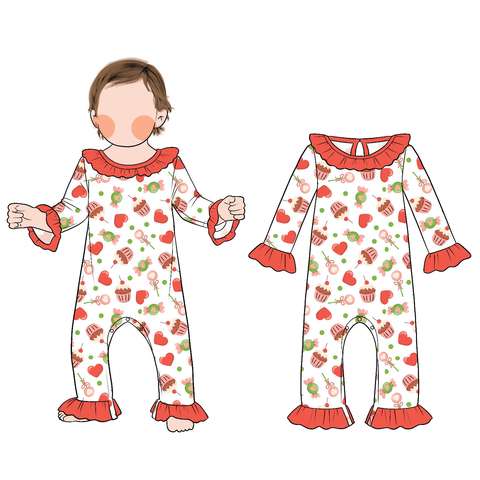
: The Technical Edge of Bamboo Sleepers
Bamboo summer sleepers showcase how a perfect synergy between natural materials and industrial technology can create products that meet consumer expectations for comfort, sustainability, and performance. Key metrics such as GSM, fabric density, and advanced machinery play pivotal roles in ensuring the success of these textiles. By aligning production processes with cutting-edge technology and eco-friendly practices, manufacturers can leverage the growing demand for sustainable and high-quality summer fabrics.
For businesses operating in the textile industry, investing in industrial advancements and precision-focused manufacturing processes is essential to stay competitive in the bamboo textile sector. These innovations not only ensure higher productivity but also contribute to the global shift towards a more sustainable future.
| Fabric Type | Organic Bamboo |
| Compliance | ASTM F963 |
| Customization | OEM |
| Lead Time | 29 Days |