Odm Custom Print Bamboo Pajamas Bespoke Supplier

The Intersection of Innovation and Comfort: Custom Print Bamboo Pajamas
As demand for sustainable, comfortable, and personalized apparel grows, businesses in the textile and garment industry are increasingly exploring innovative solutions like custom print bamboo pajamas. Combining cutting-edge fabric engineering with advanced industrial machinery, this trend offers a lucrative opportunity for B2B markets to meet consumer demands without compromising on quality or sustainability.
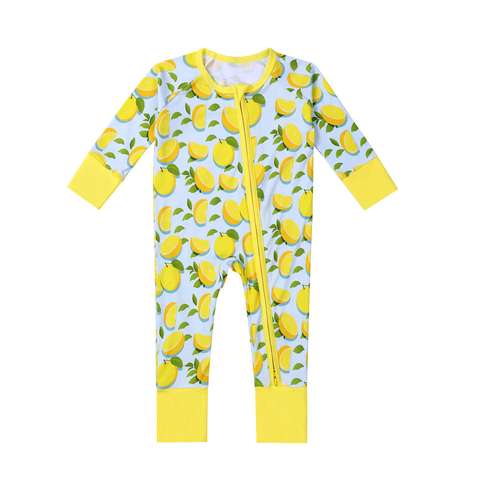
In this article, we will dive into the technical parameters crucial to bamboo fabric production, such as GSM and fabric density, along with how industrial machinery plays a pivotal role in achieving precision and scalability. Bamboo pajamas are not just functional; they represent technological progress in textile manufacturing alongside environmental responsibility.
Understanding Bamboo as a Textile Material
Bamboo fiber is rapidly becoming a preferred material for garments due to its softness, breathability, and eco-friendly properties. Unlike synthetic fibers, bamboo is derived from the pulp of bamboo plants, which grow quickly without the need for pesticides and extensive irrigation. This makes bamboo one of the most sustainable raw materials in the textile industry.
To transform bamboo into fabric, the pulp is chemically processed to create viscose fibers, which are then spun into thread. The inherent qualities of bamboo fibers lend themselves exceptionally well to pajamas due to their ability to regulate temperature, wick moisture, and resist odor. However, the success of bamboo textiles in the market depends heavily on technical performance metrics like GSM (grams per square meter) and fabric density.
Key Technical Parameters: GSM and Fabric Density
For manufacturers of custom print bamboo pajamas, GSM and fabric density are critical considerations. These metrics determine the feel, durability, and print compatibility of the fabric, which ultimately impacts consumer perception and brand reputation.
1. GSM: Comfort Meets Functionality
GSM refers to the weight of the fabric per square meter and serves as a benchmark in textile engineering. Bamboo pajamas typically fall in the range of 150-250 GSM, depending on the desired product attributes. For lightweight pajamas ideal for summer, 150-180 GSM is preferred, while heavier fabrics around 200-250 GSM offer extra warmth and durability for cooler seasons.
Achieving the right GSM requires precision during the weaving or knitting process, facilitated by high-performance industrial machinery designed to manage fiber tension and uniformity. The quality of bamboo fiber also plays a role, as tightly woven compositions enhance the fabric weight and texture.
2. Fabric Density: The Backbone of Performance
Fabric density measures how tightly the fibers are woven and directly impacts the longevity, stretch, and print adherence of bamboo fabric. A higher density results in a more durable material that can accommodate intricate custom printing designs, while lower densities are more breathable and lightweight.
In the realm of industrial milling and weaving, fabric density can be adjusted using programmable machinery that ensures consistency across large production batches. Servo motors, digital tension regulators, and advanced loom technology enable manufacturers to calibrate density without sacrificing output efficiency.
How Industrial Machinery Shapes Bamboo Pajamas Production
The production process of bamboo pajamas relies heavily on the seamless integration of industrial machinery. Automation accelerates every stage, from fiber processing to custom printing, all while minimizing waste and ensuring precision. The machinery used in these processes plays a pivotal role in scaling production for large B2B orders while meeting sustainability benchmarks.
1. Twisting and Spinning Machines
Before bamboo fibers can be woven, they first need to be converted into usable threads. Modern twisting and spinning machines excel at this transformation, utilizing variable-speed systems to process fibers while minimizing breakage. High-speed spindles and controlled heating mechanisms ensure uniform thread thickness, a critical factor for maintaining consistent GSM and print precision.
2. Advanced Looms for Weaving and Knitting
Fabric density and texture are determined during the weaving or knitting stage. Advanced looms equipped with programmable settings allow manufacturers to tweak fiber arrangements, offering flexibility for meeting varying design and density specifications. Circular knitting machines are particularly efficient for creating smoother and stretchable bamboo pajamas suitable for custom printing.
The ability to program industrial looms ensures that every piece meets tight tolerances, enabling rapid production scaling without compromising on quality.
3. Custom Printing Technology
Design personalization is a major selling point for custom bamboo pajamas, and industrial printing machinery plays an indispensable role here. Direct-to-fabric (DTF) and screen printing machines provide high-resolution capabilities to apply intricate designs and patterns directly onto the fabric. These machines use eco-friendly inks compatible with bamboo material to maintain sustainable practices.
Sophisticated machinery enables color consistency and ensures durability, even through repeated washing. Heat-transfer printing is another viable option, especially for smaller production runs, due to its flexibility and cost-effectiveness.
4. Cutting and Sewing Machines
The final stages of production involve cutting the fabric into precise shapes and sewing them into wearable garments. CNC cutting machines with laser precision help minimize material wastage, while programmable sewing equipment ensures every seam meets ergonomic and aesthetic standards.
| Fabric Type | Organic Bamboo |
| Compliance | CPSIA Compliant |
| Customization | Bespoke |
| Lead Time | 15 Days |
These automated systems are capable of adjusting to various fabric thicknesses, accommodating the different GSM ranges and densities in bamboo apparel production.
Sustainability Through Technology
Bamboo pajamas represent an important milestone in the journey toward sustainable fashion. Advanced industrial machinery helps mitigate environmental impact by optimizing energy usage, reducing waste, and maximizing raw material efficiency. , the renewable nature of bamboo makes it ideal for businesses aiming to position themselves as eco-conscious leaders in the textile sector.
For example, closed-loop systems, such as those in chemical processing machinery, recycle solvents used during the viscose production stage to reduce pollution and wastage. Energy-efficient motors and AI-backed predictive maintenance strategies further minimize emissions and reduce costs for manufacturers.
Challenges and Opportunities in the B2B Space
While the market prospects for custom bamboo pajamas are promising, there are technical and logistical challenges manufacturers must address. The fragility of bamboo fibers compared to synthetic counterparts demands higher precision at every stage of production. Investing in cutting-edge machinery is essential to overcome these challenges while delivering high-quality garments.
On the other hand, the market opportunity for B2B businesses lies in scalability and differentiation. Offering custom designs allows brands to cater to niche markets, such as sleepwear companies focused on eco-friendly luxe collections. Additionally, partnerships with industrial machinery manufacturers can facilitate technological upgrades to stay ahead of competitors.
Custom print bamboo pajamas perfectly encapsulate the fusion of technology, sustainability, and personalized design that modern consumers demand. For B2B businesses, embracing this trend means investing in advanced machinery and mastering the technical nuances of GSM and fabric density. By leveraging these tools, manufacturers can produce high-quality bamboo pajamas that appeal to eco-conscious customers while ensuring operational efficiency.
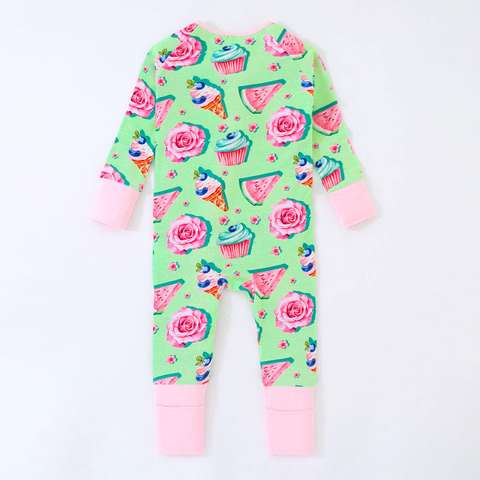
With its potential for scalability and environmental impact reduction, the production of bamboo pajamas is a win-win proposition for the textile industry. By staying ahead of technological advancements, businesses can new opportunities and position themselves as leaders in the sustainable fashion revolution.