Odm Kids Bamboo Pajamas Custom Logo Oem Oem
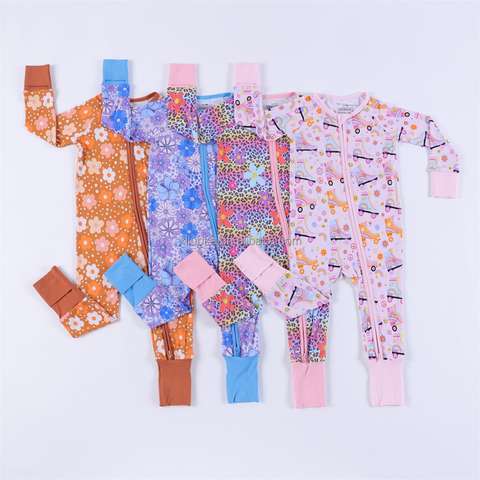
Custom Kids Bamboo Pajamas: GSM, Fabric Density, and Industrial Machinery
Bamboo fabric has seen a dramatic rise in popularity due to its soft texture, hypoallergenic properties, and sustainability. In the realm of children's clothing, bamboo pajamas are a highly sought-after product. The demand for custom logo bamboo pajamas for kids illustrates the intersection of thoughtful material selection and manufacturing precision. This article dives deep into the technical nuances of fabric density measured in GSM, the role of industrial machinery, and the key considerations for custom logo integration in bamboo fabric pajamas.
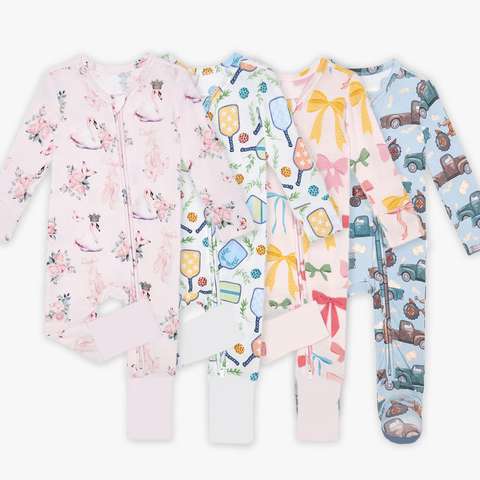
For B2B manufacturers or distributors, understanding these technicalities is essential for optimizing production efficiency, ensuring premium product quality, and meeting client specifications. Let’s explore how GSM, industrial machinery, and fabric customizations come together to create kids’ bamboo pajamas that balance comfort, durability, and branding.
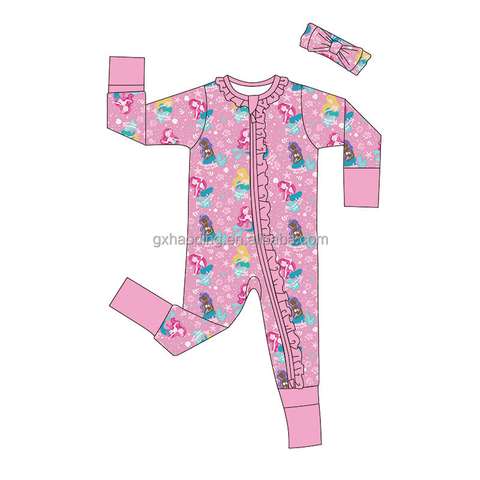
Understanding Fabric Density in GSM and Its Role in Kids' Bamboo Pajamas
GSM, or Grams per Square Meter, is a critical specification when it comes to fabric selection. It measures the weight of fabric per square meter, providing a direct indication of its density. For children's bamboo pajamas, GSM is a determining factor for comfort, durability, and product appeal.
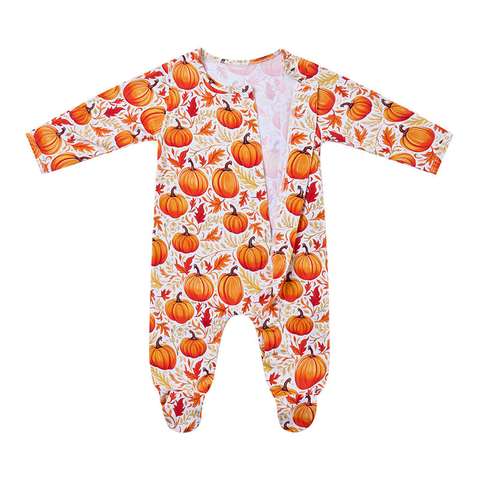
- Lightweight Fabrics (150-180 GSM): Bamboo fabrics in this range are ideal for hot weather, offering breathability and a soft touch. They are common in summer pajama designs.
- Medium Weight Fabrics (180-250 GSM): This range provides a balance between warmth and comfort, making it suitable for all-season bamboo pajamas for children.
- Heavyweight Fabrics (Above 250 GSM): While less common in kids' pajamas, heavier bamboo fabrics can be used for colder climates. However, care must be taken to maintain softness and stretchability.
Bamboo fabric's unique structure, which is composed of micro-gaps, enhances its thermal regulation properties, regardless of GSM. Therefore, even heavier GSM fabrics don't compromise on comfort, making bamboo a prime choice for sleepwear manufacturers.
The Role of Industrial Machinery in Bamboo Fabric Production
The production of bamboo fabric for kids' pajamas involves a sequence of highly specialized processes that depend on industrial machinery. From yarn manufacturing to fabric finishing and garment assembly, each step is critical in delivering the desired quality.
Yarn Production
Bamboo fibers are converted into yarn through either a chemical or mechanical process. While both methods require distinct machinery, the mechanical process – often preferred for organic certifications – is more eco-friendly. Machinery like high-pressure steam units and carding machines play a significant role here.
Weaving or Knitting Machinery
After yarn production, weaving or knitting machinery is used to produce bamboo fabric. Circular knitting machines are prevalent in producing bamboo knit fabrics due to their ability to create stretchable and soft finishes, which are integral to kids' pajamas. These machines excel in creating fine, seamless textures with consistent GSM accuracy.
Finishing Process
Once the raw fabric is produced, industrial finishing machinery is used to refine the texture, enhance dye penetration, and achieve softness. Machines such as mercerizers, compactors, or sueding machines are employed to achieve the desired characteristics based on the pajama's intended use. For customization needs like logos, this stage is also where fabric is pre-treated to enhance ink or embroidery adhesion.
Garment Assembly
Industrial sewing machines equipped with dual-feed systems and lockstitch mechanisms ensure precision in stitching bamboo fabric pajamas. These machines accommodate the unique stretch and texture of bamboo fabric, resulting in durable and neatly tailored products ideal for children.
Custom Logo Integration: Methods and Challenges
Custom logos are an essential part of branding, especially for B2B buyers seeking to create unique product lines in a competitive market. However, bamboo fabric presents certain challenges when it comes to customization due to its smooth, slightly stretchable surface.
| Fabric Type | Pima Cotton |
| Compliance | ASTM F963 |
| Customization | OEM |
| Lead Time | 27 Days |
Heat Transfer Printing
Heat transfer printing is a popular method for applying logos to bamboo pajamas. This process uses heat and pressure to bond a pre-designed logo onto the fabric. Precision machinery, such as heat presses with adjustable temperature controls, ensures that the transfer is applied evenly and durably. One key consideration with bamboo is selecting heat transfer films specifically designed for delicate fabrics to avoid damage during the process.
Screen Printing
Screen printing offers rich, vibrant colors and is often used for larger logos or detailed designs. Automatic screen printers equipped with rotary attachments can manage the stretch properties of bamboo, preventing distortion during the printing process. However, since bamboo fabric's composition is absorbent, pre-treatments like fabric priming are necessary to ensure sharp lines and durability.
Embroidery
Embroidery provides a premium, textured look for custom logos. However, using embroidery machines for bamboo pajamas can be challenging due to the fabric's softness and delicacy. To counter these challenges, industrial embroidery machines with tension control mechanisms are critical. Additionally, stabilizers – thin materials layered beneath the fabric – reduce puckering and maintain logo clarity.
Regardless of the chosen customization method, it is important to ensure eco-friendly inks, threads, and materials are used to remain consistent with bamboo fabric's sustainable image.
Optimizing Production for B2B Success
For manufacturers or distributors involved in producing custom kids bamboo pajamas, technical mastery of GSM, machinery, and customization techniques can set your offerings apart in the market. Consumers today, especially in children's wear, demand equal parts quality, comfort, and sustainability. By leveraging advanced machinery, selecting appropriate fabric densities, and offering tailored branding options, businesses can cater to these demands effectively.
Additionally, maintaining open communication with clients about their target audience, climatic conditions, and branding preferences can help fine-tune production. Partnering with experienced textile engineers and machine operators further ensures efficient workflows and reduced wastage, boosting profitability for B2B ventures in this sector.
The production of custom kids bamboo pajamas is both an art and a science. From fabric density measured in GSM to the precise integration of custom logos using specialized machinery, every detail matters. As bamboo fabrics continue to dominate the children’s apparel market, the emphasis on sustainable, high-quality, and customizable products will only grow.
By investing in advanced industrial machinery, understanding the technical properties of bamboo fabrics, and refining customization processes, B2B manufacturers can meet the demands of this evolving market effectively. Whether you’re looking to add branded logos to your pajama line or ensure the highest standards of fabric quality, continuous innovation and attention to detail will remain the keys to your success.