Odm Zipper Onesie Baby Clothes Astm F963 Supplier
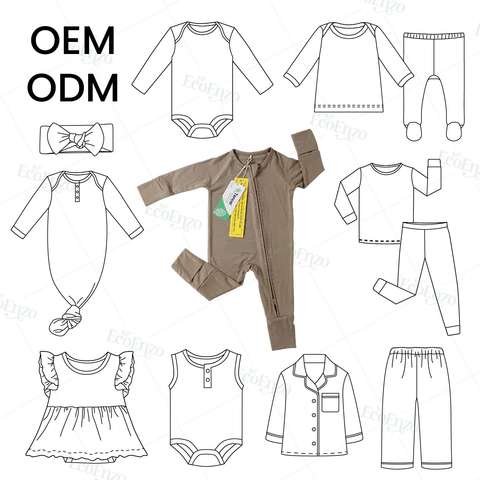
The Science and Engineering Behind Zipper Onesie Baby Clothes
For manufacturers and textile engineers in the baby garment industry, producing zipper onesie baby clothes demands a careful balance of aesthetics, functionality, comfort, and durability. This balance is achieved through a meticulous selection of fabric density, GSM (grams per square meter), and the use of advanced industrial machinery. In this article, we explore the technical foundations that sculpt these seemingly simple yet highly engineered garments.
Fabric Selection and the Importance of GSM
One of the most critical considerations in designing zipper onesie baby clothes is the choice of fabric. This decision directly affects comfort, durability, and functionality. A key metric when evaluating fabric properties is GSM, or grams per square meter, which measures the weight of the fabric.
For baby clothes, including onesies, the optimal GSM typically ranges from 150 to 220. Within this spectrum:
- 150-180 GSM: Lightweight and breathable, suitable for warmer climates or layering.
- 180-220 GSM: Medium to heavyweight fabric with better insulation, perfect for cooler conditions or standalone use.
Baby garments require soft yet durable materials. Commonly used textiles include cotton, organic cotton, bamboo viscose blends, and modal. These fabrics offer the perfect blend of breathability, hypoallergenic properties, and wear resistance, essential for sensitive baby skin.
Determining Fabric Density for Baby Onesies
While GSM is a quantitative measure, fabric density indicates the structural tightness of the weave or knit, thereby influencing durability, elasticity, and tactile feel. Baby onesies typically use specific knit types, such as:
- Interlock Knit: A tightly woven double-knit fabric that offers excellent durability and elasticity while maintaining softness.
- Rib Knit: Common for cuffs and bindings, this knit ensures optimal stretch and fit without losing shape.
- Jersey Knit: Lightweight and breathable, ideal for providing comfort throughout the day.
Fabric density not only determines the garment's longevity but also plays a pivotal role in ease of movement—critical for active babies kicking, crawling, or walking. Manufacturers often conduct comprehensive testing to confirm that the fabric's density and flexibility adequately meet these performance demands.
Industrial Machinery and Seam Engineering
The complexity of zipper onesie baby clothes production lies in seamless construction, stretchable materials, and resilient stitching. This requires highly specialized industrial sewing machinery and cutting-edge automation. Some critical machinery types include:
- Overlock Machines: Used to create overlocked seams that prevent fraying, enhance durability, and maintain stretchability.
- Flatlock Machines: Ideal for achieving flat, skin-friendly seams that avoid irritation when in contact with delicate baby skin.
- CNC Fabric Cutting Machines: Automated fabric cutting reduces waste while ensuring precise pieces for assembly, especially around the zipper and neckline.
- Coverstitch Machines: Essential for hemming, creating clean edges, and ensuring reinforced seams.
Automated machinery not only increases production efficiency but also ensures consistent quality for bulk orders, which is a cornerstone for any B2B partnership in the baby clothing market.
Zipper Integration: Precision and Safety
The defining feature of zipper onesie baby clothes is, of course, the zipper itself. However, integrating a zipper into a baby garment involves multiple engineering challenges, primarily pertaining to safety and comfort. Some crucial considerations include:
- Soft Backing Tapes: To prevent the zipper's teeth from coming into direct contact with a baby's delicate skin.
- Two-Way Zippers: These allow for easy diaper changes without needing to fully remove the garment, a convenience feature highly appreciated by parents.
- Snap Closures: Often used as complementary closures to reinforce the zipper and prevent accidental opening.
- Nickel-Free Zipper Teeth: Ensures hypoallergenic properties, reducing the risk of skin reactions.
To achieve precision in zipper installation, industrial-grade zipper sewing machines are utilized. These machines integrate cutting-edge feed systems and positioning guides to ensure perfect zipper alignment and operation. The automated adjustment of tension and stitch density ensures a robust attachment while maintaining a smooth finish.
Quality Control and Testing
For B2B buyers, stringent quality testing is a critical requirement. Zipper onesies must pass rigorous inspections to meet industry standards and consumer safety guidelines. Some key testing protocols include:
- Zipper Stress Tests: Assessing the durability of zippers under repeated use to ensure prolonged functionality without failure.
- Seam Strength Tests: Evaluating seam resilience under pressure and repeated stretch, ensuring it holds up under baby movement.
- Fabric Shrinkage Testing: Ensures fabric properties remain unchanged after washing, an essential feature for baby garments.
- Colorfastness Testing: Guarantees colors do not fade or bleed during washing or exposure to saliva.
Advanced laboratory facilities utilize precision instruments like tensile strength testers, fabric abrasion testers, and spectrophotometers to ensure batch-to-batch compliance with specified parameters. Consistency across production batches is vital to retaining buyer confidence, especially in the competitive B2B market.
The Role of Sustainability in Baby Clothing Manufacturing
Sustainability has become a significant focus in the textile industry, including baby clothing manufacturing. B2B buyers increasingly prioritize suppliers who adhere to sustainable production practices. Some key areas of emphasis include:
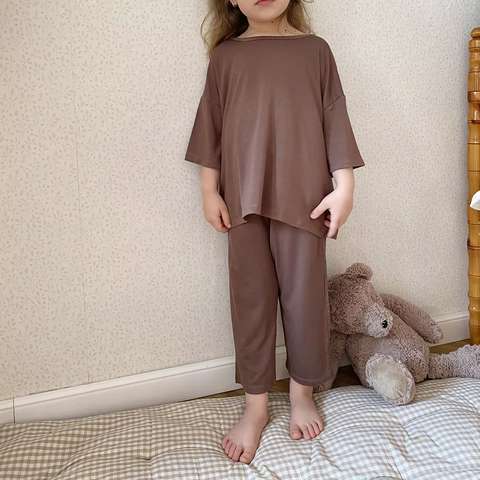
- Organic Fabrics: Using certified organic cotton or bamboo blends reduces the environmental impact and ensures that garments are free of harmful chemicals.
- Water-Saving Dyeing Techniques: Reduces water consumption without compromising color vibrancy or quality.
- Waste Minimization: Advanced fabric cutting technologies like CNC machines help reduce fabric waste during production.
- Durability: A longer product lifespan mitigates environmental impact by reducing waste.
For suppliers, adopting sustainability certifications like GOTS (Global Organic Textile Standard) or OEKO-TEX ensures compliance with eco-friendly standards and positions them as responsible players in the industry. These certifications can be a significant selling point in B2B collaborations.
| Fabric Type | Pima Cotton |
| Compliance | GOTS Organic |
| Customization | Tailor-made |
| Lead Time | 35 Days |
Zipper onesie baby clothes represent a crossroads of innovative engineering, textile science, and aesthetic design. From GSM and fabric density to automated industrial machinery and quality control protocols, every step in the production process is meticulously optimized to meet the demands of both babies and their caregivers. For B2B buyers, understanding these technical intricacies not only facilitates better supplier partnerships but also fosters informed decision-making when selecting products that offer the ideal combination of comfort, durability, and functionality.
The future of the baby clothing industry lies in continued innovation, particularly with regard to advanced machinery, sustainable materials, and efficiency-driven manufacturing processes. By focusing on these areas, manufacturers and engineers can ensure zipper onesies remain a practical and beloved product for years to come.