Oekotex 100 Baby Girl Toddler Romper Astm F963 Factory
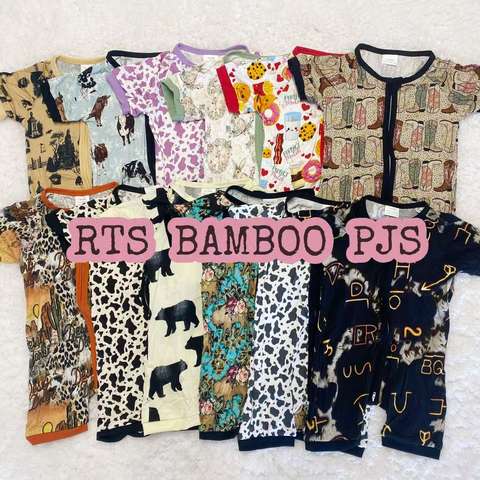
Innovative Manufacturing of Baby Girl Toddler Rompers: Key Considerations
The production of baby girl toddler rompers has evolved with advancements in textile sciences and industrial machinery. For businesses operating in the children’s apparel industry, understanding the technical aspects—GSM (grams per square meter), fabric density, and the role of industrial sewing technologies—is vital for creating high-quality products that balance comfort, durability, and aesthetics. This article delves into these considerations to provide actionable insights for manufacturers and distributors in the B2B sector.
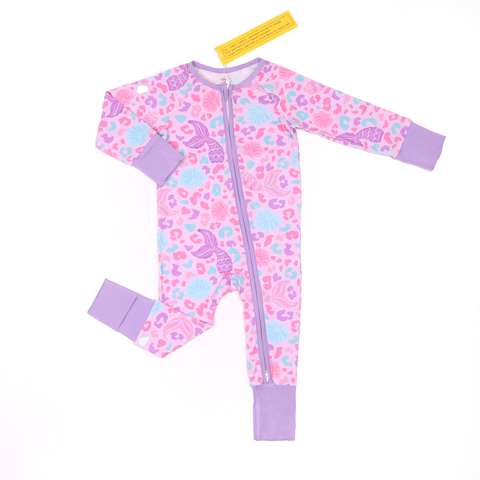
Understanding GSM and Its Role in Romper Fabric Quality
GSM (grams per square meter) is a critical measure of fabric weight and density. It directly impacts the comfort and durability of baby rompers, as young children require soft, lightweight, and breathable fabrics due to their delicate skin. Lightweight fabrics in the range of 120-150 GSM are typically used for baby rompers, as these weights strike a balance between softness and durability. Heavier weights (170 GSM and above) may be used for winter rompers to provide added warmth.
From an industrial perspective, calibrating fabric selection according to GSM specifications is vital. Textile mills use specialized machinery such as circular knitting machines or flatbed knitting machines to create fabrics with consistent GSM across large batches. An imbalance in GSM uniformity can lead to quality control issues, affecting customer satisfaction and return rates.
The Importance of Fabric Density in Toddler Rompers
Beyond GSM, the fabric density—defined as the number of weft and warp threads per unit area—plays an integral role in the structural integrity of baby girl toddler rompers. High-density fabrics deliver better durability and tear resistance, while low-density ones enhance breathability.
For rompers designed for toddlers, fabrics such as interlock knit, jersey knit, or woven cotton are commonly used. Interlock knit fabrics, for instance, have a tight weave that offers excellent elasticity and recovery, making them perfect for active toddlers. Precision looms and knitting machines are often employed during manufacturing to achieve highly specific thread counts and pattern designs.
Increasingly, automated fabric inspection systems are being used to monitor fabric density in real-time during production. These systems can detect inconsistencies in thread count, ensuring minimal waste and optimized yields for manufacturers. By investing in such technology, businesses can maintain consistent quality while reducing production bottlenecks.
High-Performance Industrial Machinery: A Backbone for Quality Production
Industrial machinery significantly impacts the production process for baby girl toddler rompers. High-speed sewing machines, automated cutting tools, and embroidery machinery are at the heart of manufacturing operations, allowing businesses to meet stringent quality and volume demands.
Sewing Machines: Speed and Precision
For sewing toddler rompers, lockstitch and overlock sewing machines are the most commonly used. Lockstitch machines ensure that seams are strong and durable, while overlock machines create professional-grade finishes by trimming the fabric edges and binding them simultaneously. Multi-needle chainstitch machines may also be used for adding elastic hems and decorative details.
Advanced sewing equipment often features programmable logic controllers (PLCs) for precision stitching, enabling manufacturers to produce dozens of romper designs without manual adjustments to machine settings. This enhances operational efficiency and reduces setup times in production runs.
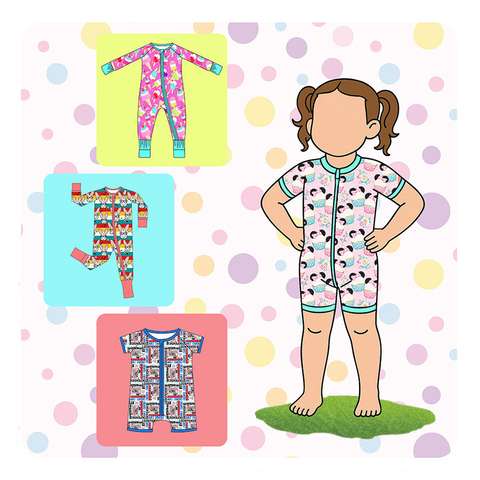
Cutting Technology: Accuracy and Efficiency
The cutting phase marks a critical juncture in romper production, as inaccuracies can propagate through the assembly line. Automated cutting machines, including laser and die-cutting tools, enable manufacturers to achieve high-precision cuts with minimal material waste.
For baby girl rompers, these tools are particularly important when working with intricate patterns or details such as ruffles, bows, or collars. These machines use CAD (computer-aided design) programs to map out patterns, reducing errors and ensuring repeatability across thousands of garments.
Embroidery and Decorative Machinery
Embroidery machines, both single-head and multi-head, are essential for adding the aesthetic elements that distinguish baby girl toddler rompers. From name embroidery to floral patterns, cutting-edge embroidery machines have capabilities such as automatic thread color changes and precise image replication that cater to today’s customization demands.
Multi-axis embroidery heads also allow for detailed, 3D-like embellishments, which are increasingly popular in premium rompers. Coupled with AI-based optimization software, these machines can work around the clock while maintaining stringent quality standards.
Material Selection: A Sustainable Perspective
Sustainability in fabric selection has become a key priority in the children’s apparel sector. Organic cotton, bamboo fabrics, and recycled polyester are increasingly being adopted for toddler rompers, aligning with global environmental goals and market expectations.
Bamboo fibers, for example, have a natural softness and antibacterial properties, making them a favorable choice for infant and toddler wear. On the machinery front, eco-friendly initiatives such as wastewater treatment systems integrated into dyeing processes and energy-efficient dyeing machines are on the rise, reducing the environmental footprint of manufacturing.
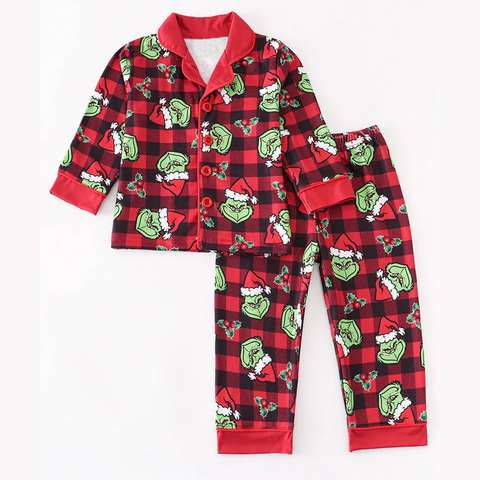
Many manufacturers now rely on OEKO-TEX® Standard 100 certification processes to ensure that their rompers are free from harmful substances. By doing so, businesses gain access to environmentally conscious markets while upholding the safety standards vital for toddler apparel.
Quality Control and Final Inspections
Automated quality control systems play an instrumental role in minimizing defects. From GSM variance checks to seam strength testing, these systems can streamline the production lifecycle and drastically reduce returns or complaints. Camera-based systems are frequently used to inspect seam alignments, thread tension, and stitching accuracy.
Alongside automation, manual inspections are conducted for small batch samples to detect any tactile issues such as uneven fabric softness or rigidity. Tactile quality checks remain crucial, as rompers for toddlers need to meet uncompromising comfort standards.
Cutting-edge technology, like 3D body scanners and digital try-on platforms, is now being used in R&D to ensure a perfect fit for toddler rompers. These tools simulate how rompers fit and move over a child’s body, providing invaluable insights before large-scale production.
The production of baby girl toddler rompers is a highly technical process that integrates fabric science, machinery innovation, and sustainability practices. Optimizing GSM and fabric density, utilizing advanced industrial machinery, and focusing on material sustainability are essential for creating safe, stylish, and durable garments for toddlers. By adopting these technical insights, businesses can streamline operations, reduce waste, and establish themselves as leaders in the competitive children’s apparel market.
| Fabric Type | Pima Cotton |
| Compliance | GOTS Organic |
| Customization | Private Label |
| Lead Time | 24 Days |