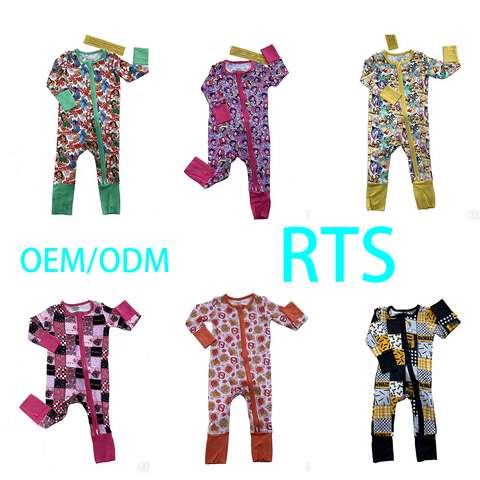
Oekotex 100 Bamboo Daywear Oem Factory
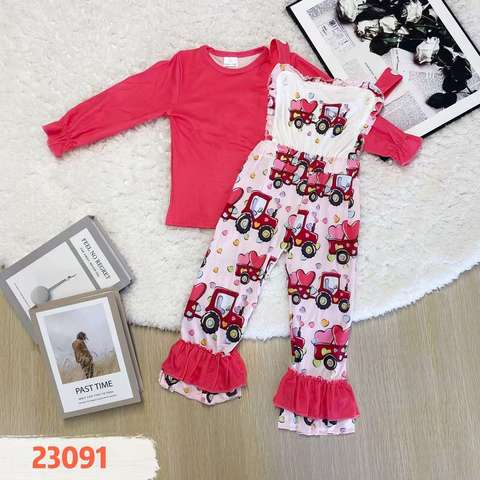
The Industrial Process Behind Bamboo Daywear Production
Bamboo daywear has emerged as a sustainable and stylish alternative to traditional fabrics, driven by its eco-friendly properties, superior softness, and durability. At the crux of its production lies the intricate interplay between GSM (grams per square meter), fabric density, and industrial machinery. This article delves into these technical aspects, exploring how bamboo daywear is engineered to meet the high-performance standards of modern consumers and businesses.
The Role of GSM in Bamboo Fabric Development
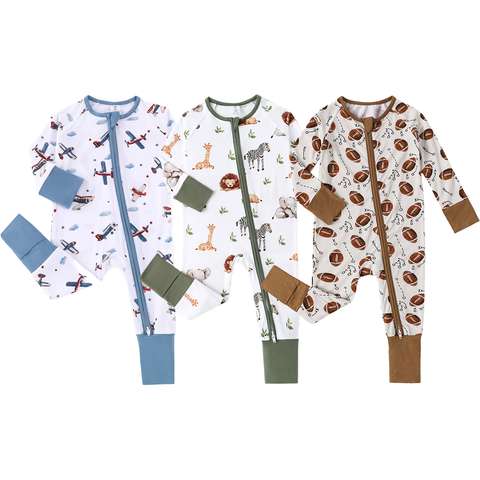
GSM, or grams per square meter, is one of the most important specifications when it comes to evaluating fabric quality and functionality. As a measure of fabric weight, GSM directly correlates to the thickness, durability, and intended use of the material. In the context of bamboo daywear, manufacturers aim for a sweet spot between lightweight comfort and robust performance.
- Bamboo Fabric GSM Ranges: For daywear, bamboo fabrics typically fall in the 150-250 GSM range. Lower GSM values (150-180) are well-suited for summer tops, t-shirts, and undergarments due to their lightness and breathability. Meanwhile, higher GSM (200-250) fabrics are designed for cooler seasons or for garments requiring greater durability, such as lounge sets or casual outerwear.
- Light and Airy or Dense and Durable: The ability to tweak GSM enables manufacturers to target specific markets. For example, bamboo-fabric daywear designed for activewear may incorporate slightly higher GSM for enhanced resilience against stretching and sweat absorption, while still retaining bamboo’s signature softness.
Maintaining consistent GSM values is vital for quality control in large-scale production. To this end, automated weighing and monitoring systems are typically integrated into processing machinery, ensuring uniformity across large fabric rolls.
The Technical Implications of Fabric Density
Fabric density refers to the number of yarns or threads per unit area of fabric, often expressed as 'threads per inch' (TPI). While it is sometimes conflated with GSM, fabric density focuses more on the structural properties of the material, influencing characteristics such as stretchability, opacity, and drape.
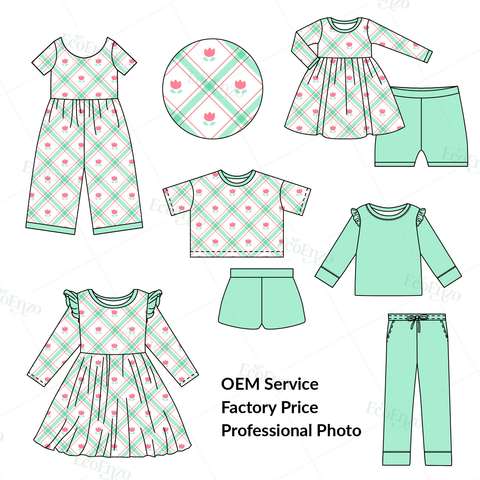
For bamboo daywear, achieving an optimal fabric density is crucial for aligning the finished product with consumer preferences. Low-density fabrics are lightweight and airy, but may lack opacity, making them unsuitable for everyday outerwear. Conversely, high-density bamboo fabrics offer enhanced coverage and durability but may compromise on breathability.
The unique challenge in bamboo fabric lies in its fine yet strong fibers, which allow producers to create textiles with a soft, luxurious feel without sacrificing tensile strength. Various weaving techniques, such as single-jersey or interlock knits, are employed to adjust fabric density and impart specific properties that cater to daywear use. Manufacturers frequently rely on precision looms, equipped with advanced tension control systems, to manage the interplay between density and elasticity.
Industrial Machinery for Bamboo Fabric Production
Modern bamboo daywear production harnesses sophisticated industrial machinery optimized for both efficiency and sustainability. From the initial steps of bamboo pulp creation to spinning, weaving, and finishing, each stage of the production line leverages cutting-edge technology to achieve the desired characteristics of the final product.
Bamboo Pulp to Viscose Conversion
Although natural bamboo fibers can be mechanically processed, the majority of bamboo used for clothing today undergoes chemical treatment to become bamboo viscose. The process involves the breakdown of bamboo pulp into a soft, spinnable material using industrial-grade machinery for retting, crushing, and wet processing. Key machinery includes:
- Pulp Grinders: Used for mechanically grinding bamboo culms into fine pulp, essential for uniformity in chemical processing.
- Reactor Vessels: Instrumental in transforming bamboo cellulose into a viscous liquid through the addition of carbon disulfide and sodium hydroxide under carefully controlled conditions.
This stage has seen shifts toward more sustainable technologies in recent years, including closed-loop systems that recover and reuse chemical solvents during the production process.
Spinning and Weaving Operations
Once the viscose bamboo fiber is dried and cut, it is spun into yarn and then woven into fabric. Spinning machines, such as ring or rotor spinning systems, are employed to create bamboo yarns with specific linear densities (tex/denier) suited for daywear applications. The level of twist in the yarn is also carefully determined to balance softness and strength.
In the weaving stage, heavy-duty looms come into play. For producing bamboo daywear, plain weaves and jersey knits are among the most commonly used techniques, as they offer the flexibility, smoothness, and elasticity required for all-day comfort. Advanced looms often feature programmable controls that allow for seamless customization of patterns and density settings. Additionally, computer-aided design (CAD) software is increasingly integrated into loom operation to ensure high precision and consistency, even across mass production runs.
Fabric Finishing and Quality Control
One of the final steps in bamboo daywear production involves finishing—treatments that optimize the fabric’s usability and aesthetic appeal. Techniques such as mercerization, enzymatic softening, and moisture-wicking finishes are widely employed. For bamboo daywear, antimicrobial and anti-odor treatments are also key, as these garments are often worn close to the skin for extended periods.
To ensure the final product meets industry specifications, cutting-edge quality control machinery is deployed. Optical inspection systems, equipped with high-resolution cameras and AI-powered defect detection algorithms, are capable of identifying even the smallest faults, from uneven stitching to minute variations in color or texture.
Why Bamboo Daywear is the Future of Sustainable Textiles
Bamboo daywear sits at the intersection of environmental responsibility and cutting-edge textile engineering. The bamboo plant itself is a renewable resource, renowned for its rapid growth and minimal water requirements. When processed responsibly—for example, using closed-loop manufacturing techniques—bamboo fabrics boast an impressively low environmental footprint compared to conventional cotton and synthetic alternatives.
Durability and Comfort Balance
One of the standout features of bamboo daywear is its ability to seamlessly balance comfort and durability. Thanks to its unique fiber structure, bamboo has natural moisture-wicking and temperature-regulating properties, making it a versatile option for different climates and activities. Technological advances in spinning and weaving further amplify these properties, delivering fabrics that can maintain their form and functionality over repeated washes and wear cycles.
Scalability and Cost-Effectiveness
With growing consumer demand for sustainable clothing, industrial machinery designed for bamboo processing offers businesses the ability to scale production without excessive costs. Innovations like automated fabric inspection and modular spinning systems are streamlining the manufacturing process, driving down costs, and enabling competitive pricing—an essential factor when marketing bamboo daywear as an everyday apparel choice.
Meeting Consumer Expectations
Finally, the superior aesthetics and functionality of bamboo daywear align with modern consumer expectations for multi-purpose clothing. From its unparalleled softness to its hypoallergenic attributes, bamboo fabric continues to capture a broad section of the market, ranging from individuals seeking premium basics to businesses crafting uniform solutions that combine comfort with durability.
| Fabric Type | Organic Bamboo |
| Compliance | CPC Certified |
| Customization | ODM |
| Lead Time | 40 Days |
: Innovating with Bamboo Daywear
The production of bamboo daywear is a testament to the blending of nature and technology. By precisely controlling GSM and fabric density, and leveraging advanced industrial machinery, manufacturers are able to create garments that are not only sustainable but also highly functional and desirable. For businesses aiming to stay competitive in a growing market, investing in bamboo daywear production represents not just a moral imperative, but a solid economic opportunity as well.
As we move towards a future of responsible manufacturing, bamboo daywear serves as a prime example of what’s possible when natural resources and technology are harnessed to their fullest potential. With continued innovation in the industrial processes and consumer preference for sustainable solutions on the rise, bamboo daywear is poised to define the next chapter in the sustainable apparel industry.