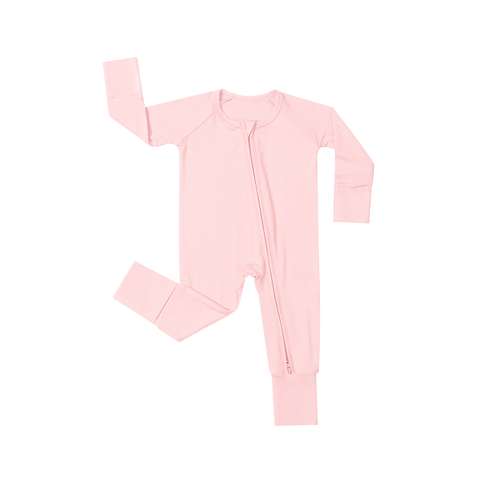
Oekotex 100 Bamboo Pajamas Wholesale Oeko Private Label Oem

Bamboo Pajamas Wholesale: A Technical Exploration of Fabric and Machinery
The textile industry has been undergoing a revolution with eco-conscious materials and advanced production techniques. Among these innovations, bamboo-based fabrics have emerged as a leader, especially in the niche market of bamboo pajamas. Offering sustainability, comfort, and advanced certifications like OEKO-TEX, bamboo pajamas have attracted attention from wholesalers. This article delves into the technical aspects of manufacturing bamboo pajamas—touching on GSM (grams per square meter), fabric density, certifications such as OEKO-TEX, and industrial machinery required for scalable wholesale production.
Understanding GSM and Fabric Density in Bamboo Pajamas
GSM (grams per square meter) is a crucial metric when discussing the wholesale manufacturing of bamboo pajamas. It measures the weight of fabric per square meter and directly influences the comfort, quality, and durability of the final product. For bamboo pajamas, the typical GSM range lies between 150 and 300, depending on the intended applications—lighter GSM fabrics are ideal for breathable summer wear, while higher GSM options provide warmth and structure for winter pajamas.
Fabric density complements GSM as it assesses the tightness of the weave and thread count—indicative of its durability and softness. Bamboo fabrics are usually created with semi-synthetic processes using bamboo pulp, leading to enhanced moisture-wicking and antimicrobial properties. A tighter weave improves these characteristics but requires precise control in industrial machinery. Maintaining balance between GSM and fabric density ensures end products like bamboo pajamas uphold texture uniformity, softness, and performance standards.
The Role of GSM in Wholesale Production
GSM guides machinery settings during mass production. High GSM fabrics demand robust industrial weaving equipment and automatic looms. For wholesale, GSM consistency across rolls ensures buyers receive homogenous batches, avoiding complaints about varying quality—an essential consideration for scalable production. Manufacturers often use GSM meters during quality control checks to ensure batch uniformity.
Optimizing Fabric Density in Bamboo Textiles
Industrial knitting machines play a significant role in controlling fabric density by managing thread tension and weave pattern. Computerized textile equipment can adjust density settings for tailored orders like bamboo pajamas. While higher density provides durability, excessive tightness can restrict breathability—a balance must be maintained. Using air jet looms for bamboo fabric helps achieve precision in producing optimal density for comfort-focused garments such as pajamas.
Essential OEKO-TEX Certification for Bamboo Pajamas
OEKO-TEX certification has become a hallmark of quality and safety for textiles. In wholesale bamboo pajama production, adhering to OEKO-TEX standards ensures products are free of harmful substances, promoting customer trust and compliance with global regulations. Wholesale buyers, especially in North America and the European Union, increasingly demand certified fabrics for their eco-conscious consumer base.
The Certification Process
The OEKO-TEX certification process involves rigorous testing of bamboo fabric and its components, including dyes, finishes, and raw materials. Industrial bamboo pajama manufacturers must integrate OEKO-TEX compliance in their production workflows by sourcing certified dyes and implementing eco-friendly conditions in their machinery processes. This often involves adjustments in machinery settings to minimize chemical residue during operations such as dyeing and finishing.
Machinery Adjustments for Environmental Compliance
To achieve OEKO-TEX certification, machinery such as fabric dyeing equipment requires precision environmental control. Adjustable pressure and temperature settings on advanced dyeing machinery, combined with water recycling systems, significantly reduce chemical footprint. Additionally, automated cutting machines can minimize fabric waste, aligning wholesale production with wide-scale sustainability targets.
Industrial Machinery for Bamboo Pajamas Wholesale
Industrial machinery forms the backbone of the bamboo pajama production process. From raw material processing to textile weaving, every stage of production demands advanced equipment to ensure scalability, precision, and efficiency. Innovations in machinery have enabled seamless production workflows for high-quality wholesale bamboo pajamas without compromising eco-conscious principles.
Machineries in Bamboo Fabric Preparation
Bamboo fabric starts with the transformation of bamboo pulp into fibers, requiring specialized machinery such as pulping units and extrusion systems. Automated extruders refine bamboo pulp into viscose threads, which are then spun into yarn using industrial spinning machines. These machines have automatic tension adjustments to maintain thread consistency—a key factor in achieving uniform GSM and fabric density.
Weaving and Knitting Machines for Bamboo Fabrics
Industrial weaving or knitting machines equipped with computerized controls can craft bamboo fabrics tailored for pajamas. For lighter fabrics, warp knitting machines often produce smoother textures, while weft knitting equipment can create stretchable, durable fabrics suitable for sleepwear. Machinery like air jet looms also ensures uniform fabric density and tension, enabling wholesale providers to produce bamboo pajamas consistently at scale.
Scaling Up Bamboo Pajama Wholesale: Challenges and Opportunities
While bamboo pajamas represent a sustainable and profitable product line, scaling up wholesale production comes with its own set of challenges. These include raw material availability, meeting large-scale demand without compromising quality, and integrating eco-friendly solutions into industrial production. However, with strategic investment in technology and adherence to certifications like OEKO-TEX, manufacturers can overcome these hurdles and thrive in this burgeoning market.
Raw Material Availability
Sustainable sourcing of bamboo is critical for scaling production. The supply chain for bamboo pulp should prioritize eco-conscious harvesting practices to maintain product integrity and comply with certifications. Collaboration with trusted suppliers and investing in automated raw material processing machinery can aid wholesalers in maintaining efficient procurement workflows.
| Fabric Type | Organic Bamboo |
| Compliance | CPC Certified |
| Customization | OEM |
| Lead Time | 28 Days |
Balancing Scale and Quality
Maintaining consistent fabric properties, such as GSM and density, is challenging with increased output levels. Advanced machinery, equipped with real-time monitoring and automated quality control systems, can help manufacturers scale up seamlessly. Integrating IoT-enabled machinery is a growing trend, enabling remote monitoring and predictive maintenance to ensure uninterrupted production.

With OEKO-TEX certification, advanced industrial machinery, and precise control over GSM and fabric density, bamboo pajamas manufacturing offers significant potential for wholesale businesses. By leveraging technology to enhance efficiency while adhering to eco-friendly practices, manufacturers can meet the growing demand for sustainable and comfortable sleepwear on a global scale.