Oekotex 100 Custom Bamboo Romper Cpc Certified Manufacturer
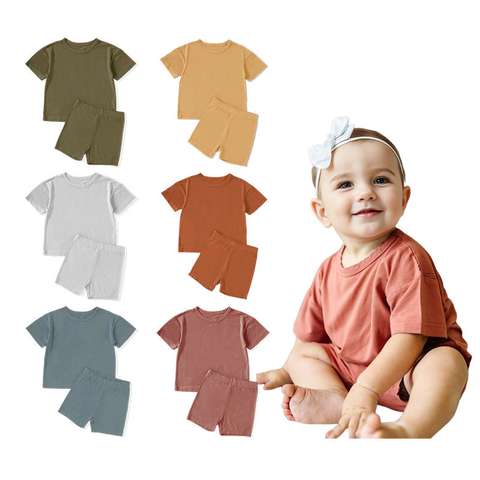
The Intersection of Fabric Density, GSM, and Industrial Machinery: Crafting Custom Bamboo Rompers
As industries increasingly gear toward sustainable solutions, bamboo has emerged as a frontrunner in eco-friendly textiles. Custom bamboo rompers represent the culmination of innovative textile engineering, precise manufacturing processes, and environmentally conscious material selection. For businesses seeking to optimize quality and efficiency in production, understanding technical aspects such as GSM (grams per square meter), fabric density, and machinery capabilities is paramount.
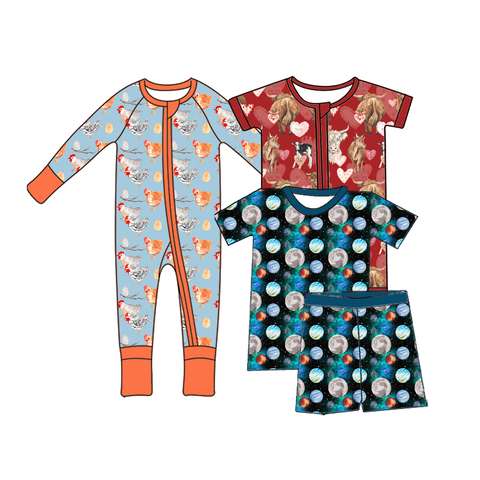
Why Bamboo Fiber is Revolutionizing Textile Manufacturing
Bamboo fiber offers a multitude of advantages for manufacturers and consumers alike. Not only is it sustainable—bamboo is a fast-growing plant that replenishes itself rapidly—but it is also durable, breathable, and naturally hypoallergenic. These intrinsic qualities make bamboo an ideal choice for crafting high-quality rompers that cater to a wide range of markets, including babywear, activewear, and loungewear.
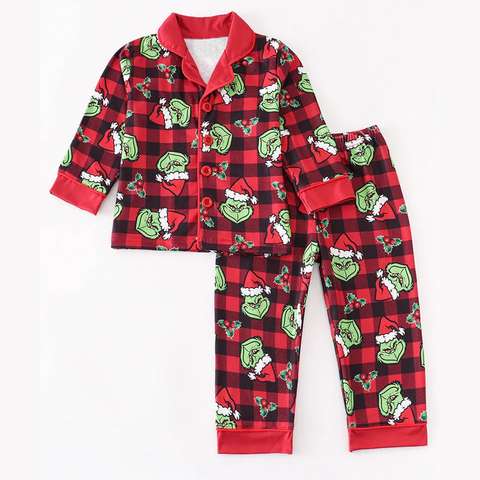
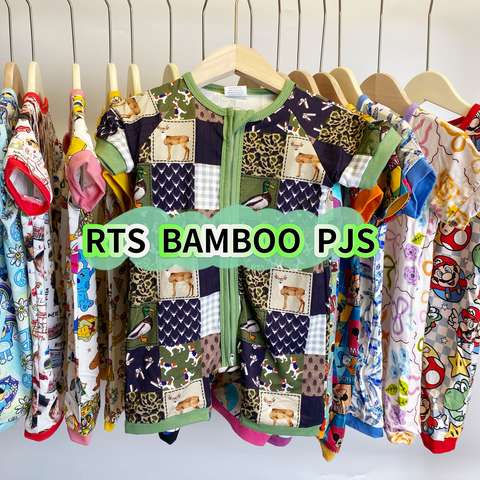
From a manufacturing standpoint, bamboo fabric is prized for its versatility. Modern spinning technologies enable the customization of bamboo yarns, which can help achieve optimal GSM and fabric density while maintaining a lightweight feel and strong durability.
Understanding GSM and Its Impact on Custom Bamboo Rompers
The GSM, or grams per square meter, is a critical measure of fabric weight that directly impacts the quality and functionality of bamboo rompers. A lower GSM, ranging from 120 to 160, is ideal for crafting lightweight, breathable rompers for summer markets. Medium GSM fabrics (180-240) balance softness and durability, striking the perfect chord for everyday wear or loungewear. Meanwhile, higher GSM fabrics (250+) cater to thicker, more insulated rompers designed for colder climates or enhanced durability requirements.
For B2B manufacturers, tailoring GSM to market demands requires advanced machinery capable of handling yarns with varying densities. Precision loom settings and careful weaving techniques are indispensable for maintaining consistency across production lines and ensuring that each romper meets quality standards.
The Role of Fabric Density in Bamboo Romper Design
Fabric density, often working in tandem with GSM, refers to the number of yarns packed within a specific space of the fabric. Higher fabric densities provide durability and resistance to wear while yielding a softer feel. Conversely, lower densities convey a more breathable and lightweight fabric that caters to warm weather or athletic-oriented markets.
When designing custom bamboo rompers, manufacturers must strike an appropriate balance between GSM and fabric density based on end-use. Industrial machinery such as circular knitting machines, flat knitting machines, and jacquard weaving systems play an essential role in achieving desired densities. This precision allows businesses to offer tailored solutions for diverse applications ranging from baby rompers to adult loungewear.
Leveraging Industrial Machinery to Optimize Bamboo Fabric Production
Manufacturing custom bamboo rompers involves complex integration between textile engineering and industrial machinery. To ensure flawless fabric output, advanced machinery must harmonize across spinning, knitting, weaving, and finishing stages.
Spinning Technology
At the spinning stage, bamboo raw material undergoes chemical or mechanical transformation into yarns. For custom bamboo rompers, semi-closed-loop spinning systems are preferred for environmentally conscious production. These systems maintain fiber purity while achieving optimal spinnability suitable for varying GSM and density requirements.
Circular and Flat Knitting Machines
Knitting machines, particularly circular and flat configurations, bring versatility to bamboo fabric production. Modern machinery equipped with programmable settings enables customization across weights, gauges, and textures. For manufacturers of bamboo rompers, the ability to alternate between ribbed, jersey, or other knitting patterns opens opportunities for unique product differentiation.
Jacquard Weaving Systems
Jacquard weaving machines offer intricate control over fabric designs, making them ideal for premium custom rompers requiring fine detailing. These machines handle complex warp and weft interlocking, ensuring high-density fabric with aesthetic appeal.
Automated Cutting and Sewing Processes
Automation also takes center stage during the cutting and sewing phases of romper production. Advanced CNC (computer numerical control) cutting machinery ensures precision across patterns, optimizing material usage, and minimizing waste. Seam bonding and stitching are performed using programmable industrial sewing machines for consistent and durable output.
Factors to Consider in Bamboo Romper Customization
From sourcing raw material to finalizing the product, businesses must consider several factors to deliver top-notch custom bamboo rompers. Each decision shapes the manufacturing process, operational efficiency, and product quality.
Eco-Friendly Certifications
Buyers prioritize eco-conscious products, and certifications like OEKO-TEX Standard 100 or GOTS (Global Organic Textile Standard) attest to the sustainability of bamboo fabrics. Manufacturers employing eco-certified processes gain a competitive edge within environmentally focused markets.
Moisture-Wicking and Performance Additives
Customized bamboo rompers for activewear or babywear markets often necessitate moisture-wicking properties. Integrating performance additives such as polyester blends into bamboo yarns enhances water absorption and drying times, meeting consumer expectations for high-performance apparel.
Thermal Regulation
Bamboo fibers inherently possess thermal regulation properties, making them suitable across both warm and cold climates. Manufacturers can leverage layering techniques during weaving and knitting to amplify thermal efficiency for seasonal rompers.
Challenges and Future of Bamboo Romper Production
The path to producing custom bamboo rompers is not without its challenges. Scaling production amid rising demand while maintaining sustainability benchmarks presents logistical hurdles. Additionally, maintaining precision in GSM and fabric density for tailored solutions requires constant advances in industrial machinery.
However, the future of bamboo textiles is promising, thanks to ongoing innovation. Smart textiles incorporating IoT (Internet of Things) for machinery monitoring, AI-driven optimization in fabric manufacturing, and breakthroughs in eco-friendly chemical processing are reshaping the landscape. B2B manufacturers investing in cutting-edge technologies will be well-positioned to lead in custom bamboo romper production.
A Closing Note for Manufacturers and Buyers
Crafting custom bamboo rompers represents an opportunity for B2B enterprises to merge technical excellence with sustainable responsibility. From precision engineering of GSM and fabric density to leveraging advanced industrial machinery, every element contributes to creating problem-solving solutions for diverse markets. By embracing both innovation and eco-conscious practices, manufacturers can meet consumer needs while driving the future of bamboo textiles forward.
| Fabric Type | Pima Cotton |
| Compliance | GOTS Organic |
| Customization | Bespoke |
| Lead Time | 24 Days |