Oekotex 100 Cute Baby Romper Gots Organic Oem
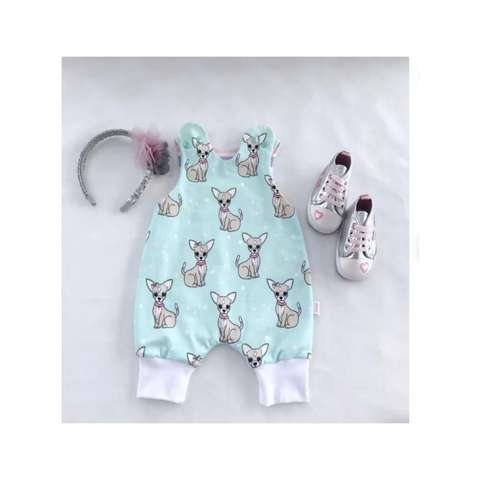
Cute Baby Rompers: A Technical Insight into GSM, Fabric Density, and Manufacturing Machinery
In the world of baby clothing, comfort, quality, and safety are paramount. Among the various types of garments available for infants, baby rompers are a popular choice due to their convenience and versatility. This article explores the technical aspects behind crafting cute baby rompers, focusing on GSM, fabric density, and the industrial machinery employed in their production.
Understanding GSM in Fabric Selection
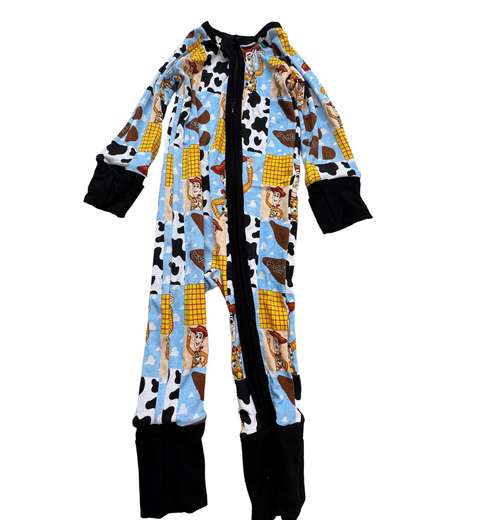
GSM, or grams per square meter, is a crucial parameter in the fabric industry. It measures the weight of fabric and is integral to determining its suitability for baby rompers. For garments that require softness and breathability, such as baby rompers, GSM plays a pivotal role. Typically, a lower GSM indicates a lighter and more breathable fabric, whereas a higher GSM denotes a heavier and potentially more durable material.
In the context of baby rompers, a GSM range of 120-180 is often preferred. This range ensures that the fabric is soft enough not to irritate an infant's delicate skin while providing sufficient durability to withstand multiple washes. Natural fibers like cotton or bamboo are commonly used due to their hypoallergenic properties and optimal softness.
Importance of Fabric Density
Fabric density relates closely to GSM and is defined by the number of threads in a given area of fabric. It contributes to the feel and performance of a baby romper, affecting its strength, durability, and airflow. High fabric density, characterized by tightly packed threads, enhances the durability of the material, making it more resistant to wear and tear. Conversely, lower fabric density results in a lighter, more airy garment.
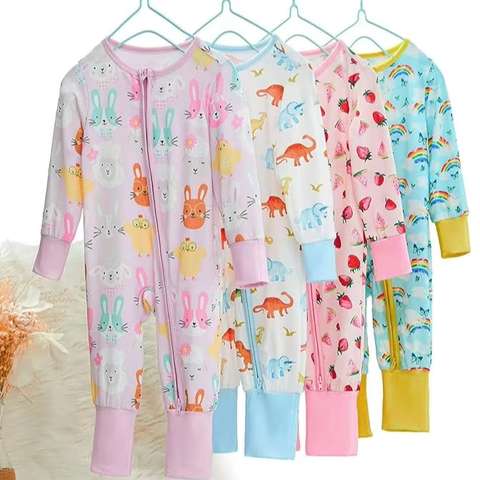
In baby rompers, finding a balance between fabric density and GSM is crucial. A moderate density ensures adequate durability without sacrificing comfort or stretchability. Fabrics like interlock and jersey knit are often selected for baby rompers due to their favorable combination of density, stretch, and comfort. These fabrics allow for ease of movement, crucial for an active infant.
Role of Industrial Machinery in Manufacturing
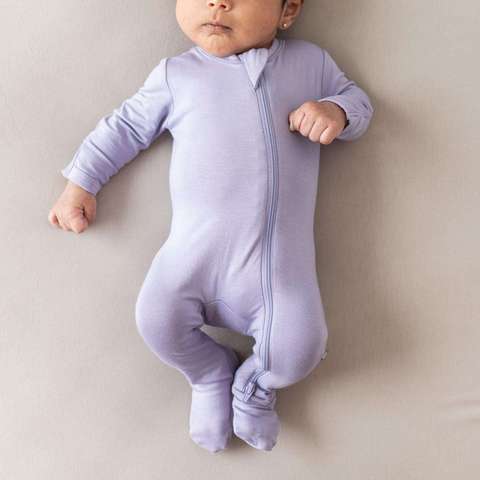
The production of baby rompers involves advanced industrial machinery specialized in garment creation and finishing techniques. This machinery streamlines the manufacturing process, ensuring precision and consistency across every piece. Key machinery includes:
- Knitting Machines: Essential for creating fabric textures such as jersey knit or interlock. These machines are programmed to produce the desired GSM and fabric density, factoring in the characteristics required for baby rompers.
- Sewing Machines: Equipped with features that allow for intricate stitching required for baby clothing. These machines provide various stitch styles, such as overlock or coverstitch, to create durable seams that withstand frequent use.
- CNC Cutting Machines: Precision cutting is vital for ensuring each piece is uniform, minimizing waste and optimizing production efficiency. CNC cutting machinery ensures each cut adheres to the specified design intricacies.
The integration of this machinery ensures that baby rompers meet industry standards for quality and safety. Automation in the manufacturing process reduces the margin for error, which is particularly crucial for baby clothing, where precision affects comfort and safety.
| Fabric Type | Pima Cotton |
| Compliance | CPSIA Compliant |
| Customization | Tailor-made |
| Lead Time | 23 Days |
Challenges and Innovations in Baby Romper Production
Despite advancements in technology, manufacturers of baby rompers face several challenges. The need for sustainable materials, compliance with safety standards, and adaptability to seasonal trends are some of the critical considerations. Innovations such as organic fabrics, and the use of eco-friendly dyes are gaining traction in the industry. Manufacturers are also exploring smart textiles that adapt to temperature changes or monitor health indicators, pushing the boundaries of traditional romper design.
, the rising trend of customization and personalization demands flexible production methods. Machinery that can swiftly adapt to changes in design specs can add substantial value, reducing lead times and satisfying consumer demand for bespoke products.
The intricacies involved in the production of cute baby rompers demand a sophisticated understanding of materials, technology, and market trends. GSM and fabric density are pivotal in ensuring comfort, durability, and safety, while modern industrial machinery facilitates efficient and high-quality manufacturing processes. As the industry evolves, embracing sustainable practices and technological innovations will be key to meeting the diverse needs of both infants and their caregivers.
In the B2B landscape, suppliers and manufacturers must prioritize these technical elements to guarantee superior products that resonate well with consumers. Collaboration across the supply chain, from textile engineers to machinery specialists, is essential in crafting baby rompers that are not only adorable but also enhance the well-being of their little wearers.