Oekotex 100 Ginger Bread Bamboo Pajamas Gots Organic Manufacturer
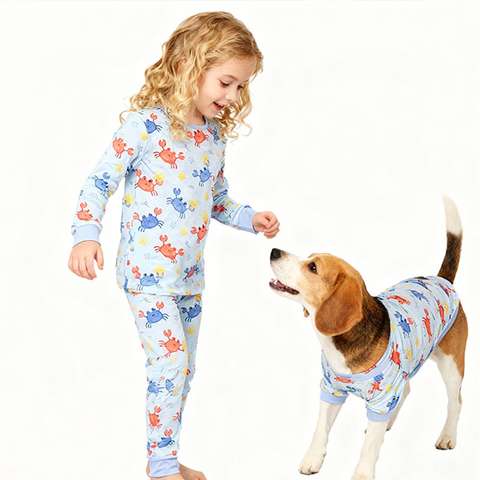
The Science of Gingerbread Bamboo Pajamas: Understanding GSM, Fabric Density, and Production Machinery
Bamboo fabric has taken the textile industry by storm, and gingerbread bamboo pajamas are an exciting innovation in this growing trend. These pajamas are not just fashionable but also demand significant engineering expertise to ensure their comfort, durability, and performance. From understanding how GSM (grams per square meter) and fabric density factor into quality, to leveraging state-of-the-art industrial machinery, the production of gingerbread bamboo pajamas is a technical marvel. This article delves into the intricate processes and materials that give these products their unique edge.
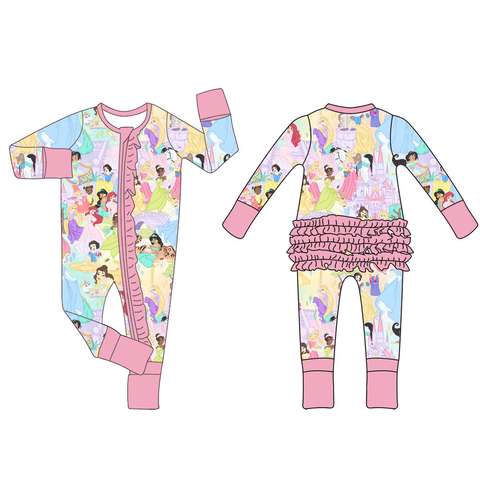
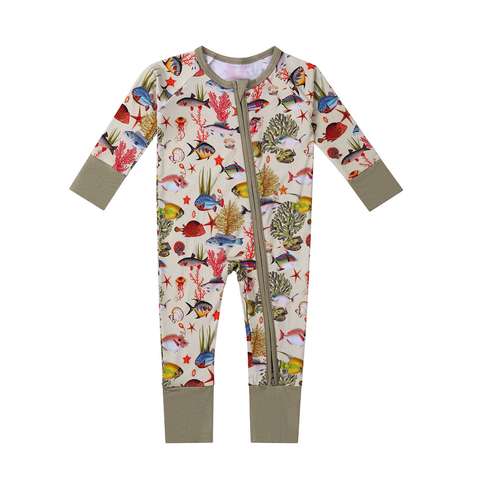
What Makes Bamboo Fabric Special?
Bamboo is an eco-friendly material harvested from fast-growing plants that require minimal water and pesticides. Its fibers are naturally soft, breathable, and moisture-wicking, making it an excellent choice for garments like pajamas. Beyond comfort, bamboo fabric provides thermal regulation, ensuring that wearers stay cool in warmer conditions and warm during colder weather. These properties are critical in sleepwear, where comfort directly impacts sleep quality.
Diving into GSM: The Backbone of Fabric Quality
GSM or grams per square meter is a key metric used in the textile industry to determine the weight of a fabric. For gingerbread bamboo pajamas, achieving the ideal GSM is a delicate balancing act. Too high a GSM, and the fabric may become too heavy for sleepwear. Too low, and the durability and opacity might be compromised.
Typically, bamboo pajamas are designed with a GSM range of 160 to 220. This balance ensures the lightweight feel required for sleepwear while offering sufficient durability. The specific GSM targeted depends on the intended application—whether it's a summer pajama set or winter-friendly loungewear. Industrial manufacturers often use automated equipment like GSM cutters to test the weight once the fabric is processed.
Fabric Density: The Hidden Strength of Bamboo Pajamas
Fabric density refers to the number of threads or fibers packed into a square inch of material. It works hand-in-hand with GSM to provide the desired tactile sensations and functional characteristics. High fabric density ensures greater durability as the tightly packed fibers resist pilling and tearing. However, a fine balance must be struck to maintain the breathability and lightweight nature of bamboo fabrics.
The construction technique plays a crucial role in fabric density. Manufacturers often opt for single jersey or rib-knit construction methods, which lend themselves well to bamboo fibers. The ability of advanced industrial looms to handle the elasticity and consistency of bamboo fibers is integral to achieving precise fabric density during production. Specialized machines, such as digital fabric analyzers, are also used at this stage to monitor and ensure consistency in density.
Industrial Machinery: Engineering Precision for High-Quality Pajamas
The production of gingerbread bamboo pajamas requires sophisticated machinery to process raw bamboo fibers, weave or knit them into fabric, and cut and sew them into finished garments. Here’s a breakdown of the essential machinery and processes used to create these high-quality pajamas:
1. Extraction and Softening Machines
The journey begins with bamboo stalks, which are processed to extract cellulose. This involves crushing the raw bamboo and mixing it with solutions of sodium hydroxide and carbon disulfide to create a viscose solution. Extracted fibers are then softened and treated with enzymes to ensure they retain bamboo’s coveted properties while achieving a softer texture.
2. Spinning Machines for Bamboo Yarns
Once the cellulose is processed, it is spun into yarns using automated spinning machinery. These machines are calibrated to ensure that the produced yarns have a consistent texture and thickness, critical for maintaining the uniformity of the final fabric. The choice of spinning technique—ring-spinning or open-end spinning—depends on the desired characteristics of the final pajamas.
3. Knitting and Weaving Machines
To achieve the desired GSM and density, linear fibers are fed into jacquard or circular knitting machines. These high-speed machines work with remarkable precision, creating either smooth jersey materials for lightweight items or more structured fabrics for winter pajamas. Industrial sensors continuously monitor the tension and alignment of fibers to minimize imperfections.
4. Dyeing and Finishing Units
Beyond structure, the appeal of gingerbread bamboo pajamas often lies in their aesthetic, and dyeing plays a vital role. Eco-friendly dyes and chemicals are used to impart color and finish to the fabric without harming its natural breathability or softness. Automated dyeing machines ensure even color penetration, while eco-conscious practices minimize the use of water and harmful chemicals.
5. Cutting and Sewing Machines
Precision cutting and stitching complete the production process. CAD (Computer-Aided Design) tools generate patterns for each pajama design, which are then transferred to robotic cutters for maximum accuracy. Finally, fully automated or semi-automated sewing stations assemble the final garment, ensuring durability while maintaining the softness required for sleepwear.
Testing and Quality Control: Ensuring Only the Best Gets Through
Quality assurance is paramount in the production of luxurious bamboo pajamas. Before production, raw bamboo material undergoes testing to confirm its strength, length, and consistency. These tests include tensile strength evaluations and colorfastness assessments, ensuring the fabric holds up over time and through repeated use.
Next, the finished pajamas are tested for their fit, stretchability, and resistance to wear and tear. This step includes assessing resistance to pilling (the formation of small fabric balls), shrinkage, and breathability. High-quality industrial testing devices, such as Martindale abrasion testers and air permeability testers, play a vital role in these evaluations.
Sustainability in Bamboo Pajama Manufacturing
One of bamboo’s most appealing qualities is its sustainability, but manufacturers take extra strides to ensure eco-conscious processes extend throughout production. Water recycling systems are often integrated into dyeing and finishing processes, drastically reducing wastewater. Similarly, the use of closed-loop systems in bamboo viscose production helps minimize chemical waste.
Many producers now adopt energy-efficient machinery and incorporate renewable energy into their facilities as part of their commitment to sustainability. Bamboo pajamas are often certified by eco-labels such as OEKO-TEX® and GOTS (Global Organic Textile Standard), offering transparency and peace of mind to wholesale buyers.
| Fabric Type | Pima Cotton |
| Compliance | CPSIA Compliant |
| Customization | ODM |
| Lead Time | 20 Days |
Meeting Market Demands with Precision
Gingerbread bamboo pajamas represent a blend of luxury and sustainability, making them highly appealing in a competitive market. Industrial machinery and engineering processes ensure that manufacturers can meet high consumer expectations for comfort, durability, and eco-friendliness. , the ability to produce bamboo pajamas at scale without compromising quality positions these garments as both a premium and a practical choice for B2B buyers.
The production of gingerbread bamboo pajamas is a shining example of how engineering expertise intersects with sustainable practices to create a superior product. From determining the perfect GSM and fabric density to employing cutting-edge machinery for precision, every aspect of production reflects a commitment to quality and innovation. For businesses in textile manufacturing and wholesale, understanding these technical considerations is key to appreciating the complexity—and opportunity—presented by gingerbread bamboo pajamas.