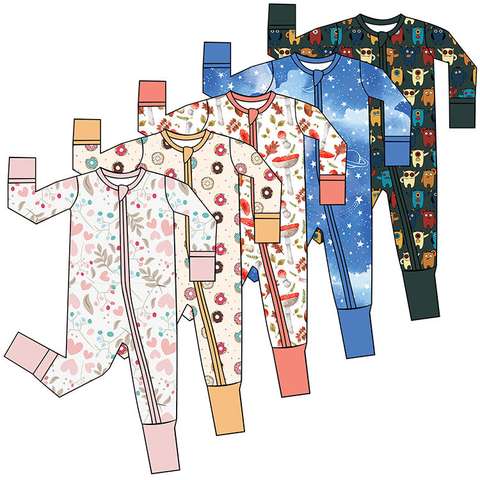
Oekotex 100 Knitted Bamboo Fabric Baby Clothes Custom Wholesale
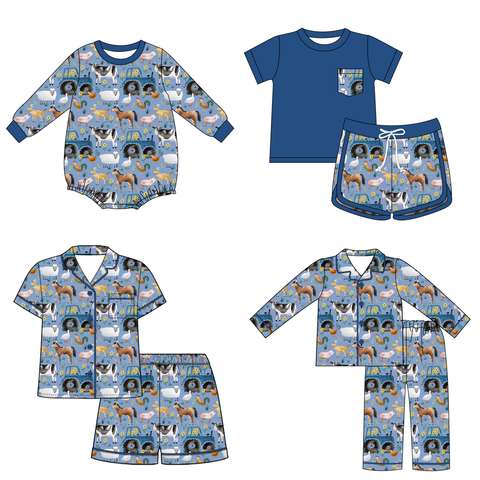
Knitted Bamboo Fabric Baby Clothes: A Technical Guide for B2B Manufacturers
Knitted bamboo fabric is becoming increasingly popular in the production of baby clothes due to its unique combination of sustainability, comfort, and durability. As a manufacturer, understanding the technical aspects of bamboo fabrics, including GSM (grams per square meter), fabric density, and machinery compatibility, is essential to creating high-quality products for this growing market. This article delves into the engineering and production insights needed to meet industry demands, while also addressing the advantages of bamboo fabrics for baby clothing.
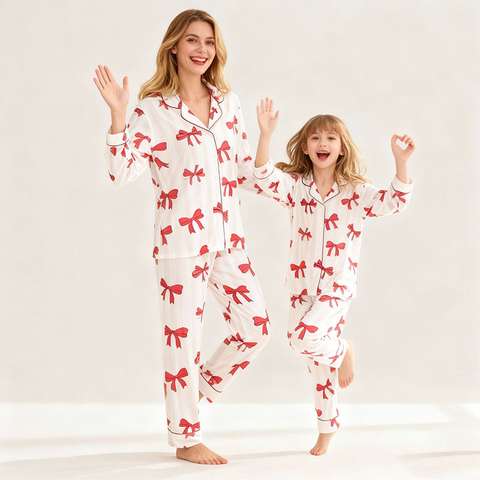
Why Bamboo Fabric is Ideal for Baby Clothing
Bamboo fabric, derived from the pulp of bamboo plants, is celebrated for its hypoallergenic, moisture-wicking, and breathable properties. These characteristics make it particularly suitable for baby clothing, where comfort and skin safety are paramount. Knitted bamboo fabric excels in applications where stretch, softness, and lightweight features are essential.
From an engineering perspective, the fiber's structure plays a critical role. Bamboo fibers have a round cross-sectional shape and smooth surface, which contribute to their softness. They are moisture-absorbent yet offer quick drying, ensuring baby clothes are hygienic and comfortable during wear.
Technical Aspects: GSM and Fabric Density in Knitted Bamboo
One of the first considerations in manufacturing bamboo baby clothes is the GSM, or grams per square meter. GSM is a measure of fabric weight and directly influences its feel, performance, and applications.
Understanding GSM for Bamboo Fabric
For baby clothing, the typical GSM range for knitted bamboo fabrics is between 150 and 250 GSM. Lightweight fabrics (150-180 GSM) are ideal for casual baby wear, such as T-shirts and summer onesies. Heavier fabrics (200-250 GSM) are preferred for winter garments, like rompers and pajamas, where warmth and durability are key.
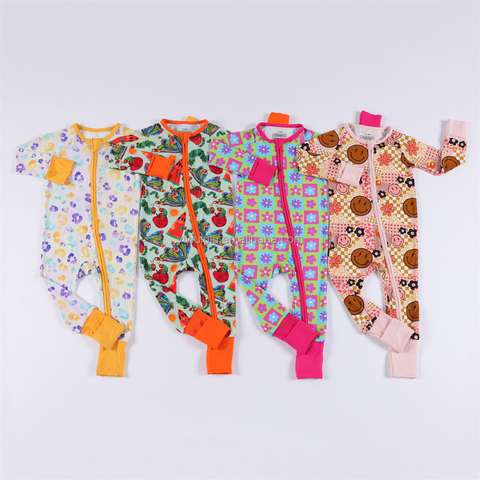
Manufacturers must closely monitor GSM during the production process to ensure consistency. Variations in GSM can affect fabric stretch, durability, and feel, impacting consumer satisfaction in the long run.
Importance of Fabric Density in Knitted Bamboo
Fabric density is another critical parameter affecting performance. When knitting bamboo fibers, the density refers to the spacing and arrangement of yarns within a fabric structure. Maintained through precise control of knitting machines, density influences factors such as:
- Softness: Denser knit patterns can improve the softness while reducing excessive stretch.
- Durability: A balance of yarn density prevents easy tears, an essential consideration for active infants.
- Airflow: Bamboo’s natural breathability is optimized through lower-density knitting, ideal for warmer climates.
For baby clothing manufacturers, the engineering goal is to achieve an optimal balance between density and stretch to provide flexibility without compromising durability.
Machinery Innovations: Knitted Bamboo Production
The compatibility of industrial machinery with bamboo fibers is another pivotal element of production. As bamboo is categorized as a semi-synthetic fiber—being processed from natural plant material using chemical treatment—it has specific requirements in the knitting process.
Knitting Machines for Bamboo Fabric
Bamboo fibers require circular knitting machines for producing seamless, stretchable fabrics. These machines, equipped with advanced cams and needles, can handle fine bamboo yarns while ensuring uniformity. Modular knitting machines that offer adjustable settings for thread density and tension are particularly effective for bamboo fabric production.
Manufacturers working with bamboo baby clothes must pay close attention to the following machine specifications:
- Gauge: Machines with high-gauge needles allow finer knit patterns suitable for lightweight bamboo baby clothing.
- Tension Controls: Bamboo yarns are sensitive to high tension; therefore, machines with precise tension control mechanisms can prevent overstretching or fiber breakage.
- Cooling Systems: Bamboo fabric production often requires temperature regulation during knitting due to its chemical-treated nature, making machinery with integrated cooling systems advantageous.
Cutting-Edge Automation for Quality Assurance
A growing trend in bamboo baby clothing manufacturing is the adoption of automated quality assurance systems. Industrial machines with integrated sensors can detect defects in the fabric, such as uneven knitting or GSM inconsistencies, ensuring that every batch meets stringent safety and comfort standards.
Sustainability: The Impact of Bamboo Fabric
Aside from its functional benefits, bamboo fabric is a sustainable choice in textiles due to the rapid growth cycle of bamboo plants and their minimal resource demands. This eco-friendly aspect aligns with the values of many buyers and consumers in the baby clothing market, who increasingly prioritize sustainable, non-toxic materials.
However, manufacturers must be mindful of the production process. Chemical treatments used to extract bamboo fibers can be resource-intensive and raise environmental concerns. Choosing machinery and methods that minimize waste and energy usage is crucial to retaining the fabric's green reputation.
| Fabric Type | Organic Bamboo |
| Compliance | ASTM F963 |
| Customization | Custom |
| Lead Time | 30 Days |
: Engineering Bamboo Baby Clothes for Success
Knitted bamboo fabric represents both an opportunity and a challenge to baby clothing manufacturers. By mastering the technical aspects of GSM, fabric density, and industrial machinery, B2B businesses can deliver products that meet market demands while standing out for their quality and sustainability. Investing in advanced knitting technology and maintaining rigorous production standards will solidify a competitive edge in the growing babywear sector.
Ultimately, bamboo fabric is not just a trend but a lasting solution to the global demand for gentler, healthier, and environmentally responsible textiles. With its engineering efficiencies and consumer benefits, manufacturers can position themselves at the forefront of this dynamic market.