Oekotex 100 Pajamas For Little Girls Cpsia Compliant Vendor
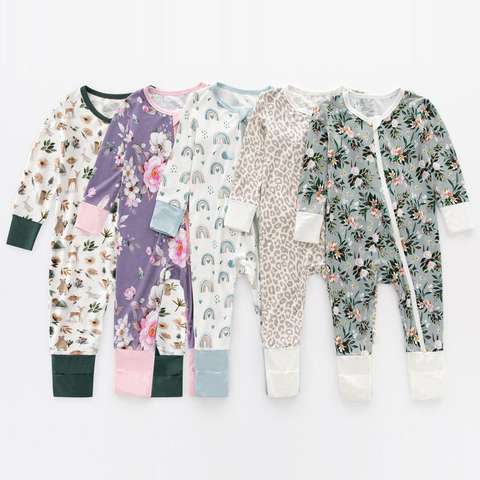
The Technical Side of Pajamas for Little Girls: Balancing Comfort and Durability
When it comes to manufacturing pajamas for little girls, it’s not just about soft fabric and cute prints. Behind every lightweight, comfortable, and durable garment is a meticulous engineering process. This process involves determining the right GSM (grams per square meter), selecting the appropriate fabric density, and utilizing precision-driven industrial machinery to bring the designs to life.
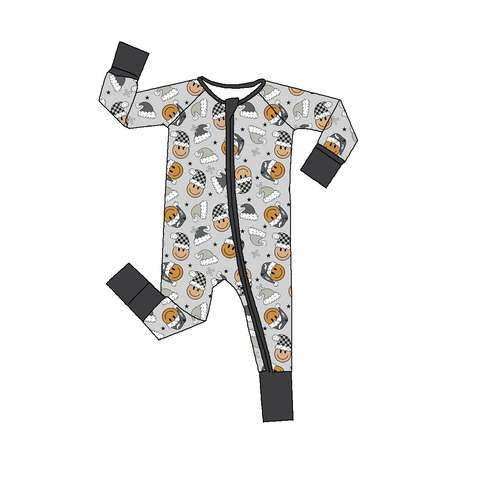
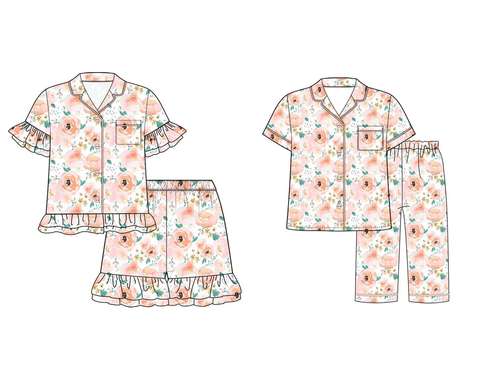
This article will delve into the technical aspects of creating sleepwear for young children, focusing on how GSM, fabric density, and machinery work as integrated systems to achieve a high-quality product that is both functional and economical for large-scale production.
Understanding GSM: The Foundation of Fabric Engineering
GSM, or grams per square meter, refers to the weight of a fabric. It plays a crucial role in determining the thickness, hand-feel, and durability of the pajamas. For children’s sleepwear, particularly for little girls, achieving a balance in GSM is essential to ensure comfort throughout various seasons.
Optimal GSM Ranges for Sleepwear
Sleepwear for little girls typically falls within the 150 to 200 GSM range. Fabrics at the lower end of this spectrum (around 150-160 GSM) are lightweight and breathable, ideal for warmer climates. Conversely, fabrics in the 180-200 GSM range are thicker and more insulated, suitable for colder months.
The Role of GSM in Fabric Functionality
GSM not only influences the weight of the fabric but also its opacity and stretchability. For instance, a GSM on the lower end may enhance a fabric’s comfort for summer pajamas, but it must still maintain enough density to provide durability and ensure the garment withstands multiple washes. On the other hand, a higher GSM increases resilience but requires a softer finish to maintain comfort for sensitive skin.
Fabric Density: The Missing Link Between GSM and Durability
Closely linked to GSM is fabric density, which measures how tightly fibers are woven or knitted together. Achieving the right density is essential for sleepwear, as it affects not only comfort but also the safety and longevity of the product. Fabric density ensures that pajamas remain intact despite the frequent wear and tear they undergo, especially with active children who might use their sleepwear beyond bedtime.
Fabric Weaving Patterns for Pajamas
The construction of the fabric can be either knitted or woven, with each technique offering different advantages:
- Knit Fabrics: These are commonly used in pajamas as they offer excellent flexibility and stretch. Jersey knits, with their moderate density and soft texture, are a popular choice for creating breathable and comfortable sleepwear for children.
- Woven Fabrics: Though less flexible than knits, woven fabrics like flannel are highly durable and provide superior insulation for colder climates. Their tighter weave structure helps maintain garment integrity after repeated use.
Breathability and Moisture-Wicking Properties
Another aspect tied to fabric density is breathability. High-density fabrics can sometimes compromise airflow, which is critical for keeping children comfortable overnight. To mitigate this, manufacturers often introduce moisture-wicking properties into the materials. This ensures that sweat and moisture are absorbed and evaporated efficiently, keeping the child dry even on warmer nights.
Industrial Machinery: Precision in Large-Scale Pajama Production
The role of industrial machinery cannot be overstated in the production of children’s sleepwear. Modern machinery has revolutionized the way pajamas are made, ensuring accuracy, efficiency, and safety throughout the entire process.
Circular Knitting Machines
For knitted fabrics like jersey, circular knitting machines play a pivotal role. These machines are capable of producing seamless and tubular knit fabrics, which minimize stitching requirements and therefore enhance the comfort of sleepwear. With adjustable tension settings, they allow manufacturers to precisely control fabric density and ensure consistent GSM across large batches.
Computer-Controlled Weaving Machines
When woven fabrics such as flannel are used for little girls’ pajamas, computer-controlled looms come into play. These machines offer advanced automation to regulate the spacing of threads, which directly impacts the density of the final fabric. This level of precision is critical for creating tight weaves that retain softness while maintaining durability and insulation.
Die-Cutting Machines for Fabric Patterns
Once the fabric is manufactured, industrial die-cutting machines are used to create consistent and precise fabric patterns for each pajama size. These machines ensure minimal fabric waste and help optimize material costs for large-scale production, which is a key consideration for B2B manufacturers and suppliers.
Overlock and Coverstitch Machines for Finishing
Finally, overlock and coverstitch machines are employed for finishing seams and hems. These advanced machines provide clean, stretchable stitches that not only enhance durability but also prevent irritation against sensitive skin. Proper finishing is essential in ensuring that the garment feels smooth and child-friendly.
Quality Control and Compliance Standards
When producing sleepwear for little girls, quality control is a critical aspect that must never be overlooked. Rigorous testing is required to meet safety standards, particularly those mandated by regulatory bodies such as the Consumer Product Safety Commission (CPSC) in the United States. For instance, sleepwear must be flame-resistant or snug-fitting to minimize fire hazards.
Durability Testing
Industrial-grade machinery is used to simulate wear and tear on fabric samples. This testing ensures that the final product can withstand frequent washing and prolonged use while maintaining its structure and softness.
Colorfastness Testing
Bright, playful colors and patterns are often key features of pajamas for little girls. Manufacturers must carry out colorfastness testing to ensure that dyes do not bleed during laundering or fade over time.
Skin Sensitivity Testing
Since children have sensitive skin, it is imperative to test fabrics for allergens and irritants. Textile engineers work closely with testing teams to certify that hazardous chemicals, such as formaldehyde and heavy metals, are absent or well within permissible limits.
| Fabric Type | Organic Bamboo |
| Compliance | ASTM F963 |
| Customization | ODM |
| Lead Time | 32 Days |
: Engineering Comfort and Safety into Pajamas
The production of pajamas for little girls is a perfect blend of science, engineering, and innovation. Every detail, from selecting the appropriate GSM and fabric density to utilizing precision-driven industrial machinery, is carefully considered to meet the unique requirements of children’s sleepwear. , stringent quality control measures ensure that every garment meets the highest standards of safety and comfort.
For B2B buyers, understanding these technical specifications can help in making informed decisions when sourcing pajamas for young children. By prioritizing fabrics engineered for durability and comfort, paired with efficient machinery and quality assurance protocols, manufacturers can deliver products that not only meet expectations but exceed them.
Investing in high-quality materials, advanced industrial machinery, and rigorous testing protocols is not only essential for producing superior products but also critical for earning the trust of end consumers—parents—who prioritize the safety and comfort of their little ones above all else.