Oekotex 100 Pajamas For Women Bamboo Tailormade Oem
Understanding the Technical Fabric Attributes of Bamboo Pajamas
Bamboo fabric has become increasingly popular in the textile industry, especially in women’s sleepwear, due to its luxurious feel, breathability, and sustainable production process. However, manufacturing high-quality bamboo pajamas requires a deep understanding of key fabric properties such as GSM (grams per square meter) and fabric density. Alongside this, the sophisticated machinery behind the scenes, often overlooked, plays a pivotal role in ensuring top-notch quality. For business-to-business (B2B) stakeholders, diving into the technicalities of these elements can provide insights into sourcing and manufacturing women’s bamboo pajamas more effectively.
Grams per Square Meter (GSM) and Its Role in Pajama Quality
GSM is one of the most critical parameters in textile manufacturing and refers to the weight of the fabric per square meter. It is a decisive factor for evaluating the comfort and durability of pajamas. For bamboo fabrics specifically, the GSM measurement provides insights into how the material will perform in terms of breathability, softness, and elasticity.
Women’s bamboo pajamas typically fall in the GSM range of 150 to 250. Lighter fabrics, around 150-180 GSM, are ideal for warmer climates or summer collections, as they allow airflow and feel airy on the skin. Midweight bamboo fabrics, ranging from 190-220 GSM, strike a balance between durability and comfort and are often used for year-round sleepwear. Heavyweight fabrics, above 220 GSM, are less commonly used for pajamas but can serve niche markets looking for extra warmth in colder regions.
From a manufacturing standpoint, controlling GSM during the weaving or knitting process requires precision. If GSM deviates even slightly from the intended range, the resulting fabric may fail to meet consumer expectations, leading to higher customer returns or lower margins for businesses.
Fabric Density and Its Impact on Performance
While GSM measures the fabric’s weight, fabric density refers to the number of threads or yarns packed into a specific area of the fabric, often measured in threads per inch (TPI). Density and GSM frequently go hand in hand but are not interchangeable. A fabric can have a similar GSM but a vastly different density based on how tightly the threads are woven or knitted.
In bamboo pajamas, fabric density has a direct correlation with attributes like elasticity, opacity, and draping. A higher density usually results in a softer and more opaque fabric, while a lower density allows for greater flexibility and breathability. Women’s bamboo pajamas aimed at the luxury market often exhibit a higher fabric density, as this enhances the smooth and silky feel that bamboo is famous for.
Manufacturers use industrial knitting or weaving machines to achieve specific densities. Warp and weft tension during weaving, along with adjustments to yarn fineness, are crucial in attaining the desired density. Technology-enabled machinery with adaptive control systems ensures consistency in these parameters, reducing errors and downtime during production.
The Role of Industrial Machinery in Bamboo Textile Production
Production of bamboo pajamas for women is a combination of material science and mechanical precision. Bamboo fibers, which originate from the pulp of the bamboo plant, go through various stages of processing before they can be transformed into yarn and finally into woven or knitted fabrics. Industrial machinery designed for these purposes plays a transformative role, setting the standard for scalability, speed, and quality.
Key Machinery for Bamboo Fiber Processing
Converting bamboo into a textile-ready fiber involves several steps, from pulping to spinning. Critical machinery used in this process includes:
- Pulping Machines: These are used to break down bamboo stalks into cellulose pulp, the raw material needed for creating bamboo rayon or viscose. Modern pulping machines prioritize efficiency and include advanced features for reducing environmental impact.
- Dry-Jet Wet Spinning Machines: After pulping, fibers are spun into yarn using wet or dry-jet spinning techniques. The accuracy of these machines determines the yarn's uniformity, directly affecting the GSM and density of the final fabric.
- Knitting and Weaving Machines: Depending on whether the bamboo pajamas require a lightweight or heavyweight fabric, knitting or weaving machinery is set up accordingly. Circular knitting machines are highly favored for creating smooth bamboo jerseys suitable for sleepwear.
- Finishing Machines: Finally, finishing machines are used for softening, dyeing, and stabilizing fabrics. Bamboo fabric undergoes specialized treatments to enhance its natural sheen and luster while maintaining eco-friendliness.
Automation and Smart Technology in Textile Machinery
Recent advancements in textile machinery are redefining bamboo pajama manufacturing. Automation and smart technology-driven systems provide businesses with precise control over fabric parameters like GSM and density. For example:
- Computer Numerical Control (CNC): CNC systems allow more precise settings in weaving density and GSM, resulting in fewer defects and more consistent batches of fabric.
- IoT-Connected Machines: Internet of Things (IoT) sensors in textile machinery can monitor fabric tension, humidity, and even energy usage, helping factories optimize their operations.
- Artificial Intelligence (AI): AI-integrated machinery can predict maintenance requirements and adjust production parameters automatically based on real-time data analysis.
These innovations minimize production downtime and reduce material wastage, contributing to a more sustainable manufacturing process – a key selling point for bamboo-based textiles.
Why Bamboo Pajamas for Women are a B2B Opportunity
The growing demand for eco-friendly, breathable, and luxurious sleepwear provides a major opportunity for businesses investing in bamboo pajamas for women. From a B2B perspective, understanding the technical dimensions of this niche, including the fabric’s GSM and density as well as the machines required for production, positions you to make informed decisions about sourcing and manufacturing.
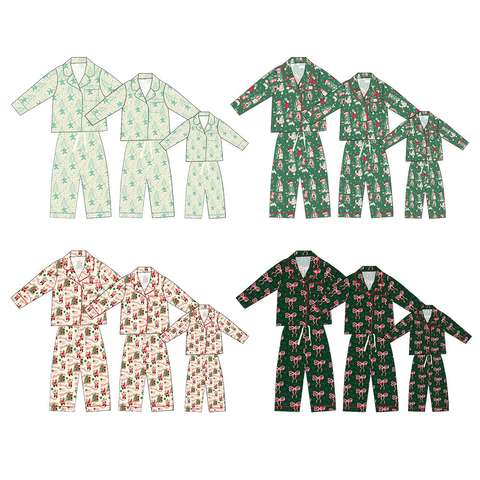
With the right machinery and attention to fabric parameters, businesses can create pajama collections tailored to their target audiences, whether that means ultra-soft luxury sleepwear or lightweight eco-friendly options for summer. , investing in state-of-the-art production technology ensures long-term cost efficiency and sustainability – two factors increasingly prioritized by commercial buyers and end consumers alike.
| Fabric Type | Organic Bamboo |
| Compliance | OEKO-TEX 100 |
| Customization | Custom |
| Lead Time | 15 Days |
Key Takeaways for Businesses
Venturing into the production of women’s bamboo pajamas requires careful consideration of technical aspects and operational logistics. To summarize:
- Understand the importance of fabric specifications like GSM and density to meet the diverse needs of end consumers.
- Invest in cutting-edge industrial machinery to ensure consistency, reduce waste, and maximize production efficiency.
- Leverage automation, IoT, and AI to optimize manufacturing and enhance the sustainability of bamboo textile production.
- Focus on sustainable practices, as eco-conscious buyers are a rapidly growing segment of the sleepwear market.
By mastering these aspects, businesses can position themselves as leading suppliers or manufacturers in the burgeoning segment of bamboo sleepwear for women.