Oekotex 100 Rts Bamboo Pajamas Bundle Private Label Factory
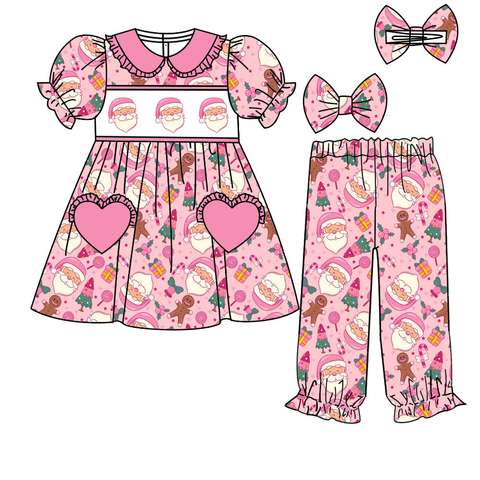
RTS Bamboo Pajamas Bundle: An Engineering Perspective on Fabric Density and Production
In the B2B landscape, where efficiency, sustainability, and output quality are top priorities, ready-to-ship (RTS) bamboo pajamas bundles stand out as a compelling option. For industry professionals, the technical attributes such as GSM (grams per square meter), fabric density, and the role of industrial machinery warrant close examination. These factors combine to create a sustainable, durable, and luxurious product offering that appeals to modern markets, especially in the realm of eco-friendly and comfortable sleepwear.
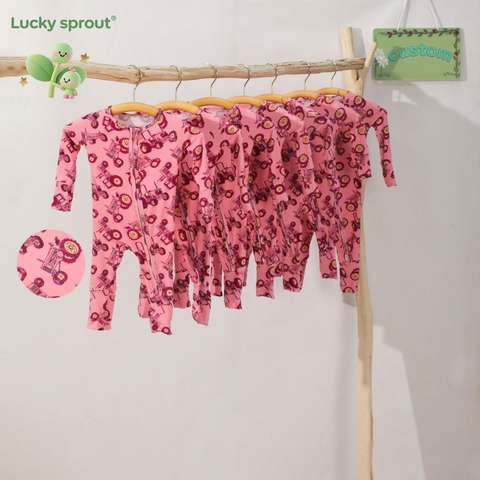
This article delves into the technical intricacies behind RTS bamboo pajamas production, with a focus on fabric properties and the advanced machinery that enables scalable manufacturing without compromising quality.
Understanding GSM in RTS Bamboo Pajamas
GSM, short for "grams per square meter," refers to the weight of a fabric and is a critical indicator of its quality and application. For bamboo pajamas, an ideal GSM range is between 150 and 250 depending on the specific product qualities sought by B2B clients. Let’s break this down:
- Lightweight fabrics (150-180 GSM): These are typically used for summer pajamas. They are breathable, moisture-wicking, and suitable for warmer climates.
- Medium-weight fabrics (180-220 GSM): These provide the perfect balance between breathability and warmth, making them suitable for year-round use.
- Heavyweight fabrics (220 GSM+): These are better suited for winter months where insulation properties are paramount.
Bamboo fibers contribute significantly to fabric performance. Known for their smooth texture and antimicrobial properties, bamboo-based fabrics often require precise control of GSM during the manufacturing process. A deviation in GSM not only affects the tactile quality of the pajamas but also their longevity and wash retention, which are critical for maintaining brand reputation and customer satisfaction.
Fabric Density and Its Contribution to Durability
Fabric density refers to the number of yarns per unit area in a fabric. It has a direct correlation to the durability, drape, and resistance of the final product to wear and tear. For RTS bamboo pajamas, balancing GSM with fabric density is imperative:
- Higher fabric density: This ensures tighter weaves, enhancing the strength and durability of the fabric without making it overly heavy or uncomfortable.
- Lower fabric density: Suitable for airflow and flexibility but may compromise longevity.
The use of bamboo fibers as the core material strikes a unique equilibrium. Bamboo fibers are lightweight yet tough, enabling manufacturers to achieve superior fabric density without increasing the fabric's weight. Businesses investing in RTS bundles benefit from this characteristic since it reduces returns and complaints due to wear-and-tear issues.
Industrial Machinery for Bamboo Fabric Manufacturing
The production of bamboo fabric involves several stages, all of which are carried out using state-of-the-art industrial machinery. Each stage contributes to crafting a fabric that aligns with the specifications of RTS bamboo pajamas bundles:
Bamboo Fiber Extraction Process
Bamboo fabric production begins with extracting cellulose from natural bamboo stalks. Two primary methods are used: mechanical processing and chemical processing. While chemical processing using solvents like sodium hydroxide is quick, mechanical processing is more eco-friendly. Both processes utilize specialized machinery:
- Bamboo Slitting Machines: These are used to cut bamboo stalks into smaller, more manageable strips for further processing.
- Milling Machines: Used to crush the strips into fibers mechanically, preparing them for further refinement.
Carding and Spinning Machines
Once the raw bamboo fibers are ready, they undergo carding to separate and straighten the fibers. This process is essential for achieving uniformity in the yarn, which directly impacts the fabric's evenness and quality. Advanced spinning machines then twist the cards into yarns, with customizable settings to determine the thread count.
Weaving with High-Speed Looms
The spun yarns are then woven into fabric using high-speed looms. For bamboo fabrics, air-jet looms are among the most effective due to their high-speed operation and ability to handle fine, delicate fibers without causing damage. These looms can be programmed to achieve the desired fabric density and weave structure specific to the hallmark softness of bamboo pajamas.
Dyeing and Finishing Equipment
Bamboo fabrics are typically dyed using environmentally-friendly processes to retain their eco-conscious appeal. Modern dyeing machines, such as jet dyeing machines, ensure uniform color application while minimizing water consumption—a crucial consideration for businesses focused on sustainability. After dyeing, the fabric undergoes finishing treatments like bio-polishing, where enzymes are applied to remove surface fuzz from the fabric to enhance its smoothness.
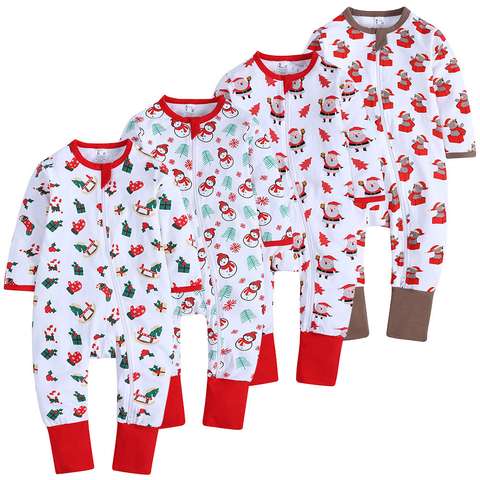
| Fabric Type | Organic Bamboo |
| Compliance | CPSIA Compliant |
| Customization | Tailor-made |
| Lead Time | 38 Days |
Advantages of RTS Bamboo Pajamas for B2B Market
RTS bamboo pajamas bundles bring a host of advantages that make them particularly appealing to businesses looking to stock high-quality sleepwear:
- Sustainability: Bamboo is a renewable resource with a low environmental impact compared to traditional cotton. Additionally, it requires less water and pesticides during cultivation.
- Durability: The specific balance of GSM and fabric density in bamboo pajamas ensures longer lifespan and better customer satisfaction.
- Comfort: Bamboo fabrics are often hailed as softer than cotton, hypoallergenic, and ideal for sensitive skin.
- Ease of inventory management: RTS bundles are pre-packaged and ready for quick shipment, reducing lead time and simplifying supply chain logistics.
For B2B buyers, these features translate to reduced operational costs, better alignment with eco-conscious consumers, and the ability to meet customer demand with minimal delays.
Challenges and Solutions in Bamboo Pajama Production
Despite its many advantages, the production of RTS bamboo pajamas is not without its challenges:
- High machinery costs: Advanced industrial machines such as air-jet looms demand substantial capital investment. Solution: long-term partnership with outsourcing facilities specializing in bamboo textiles for cost-effective production.
- Environmental concerns: The use of certain chemicals in bamboo processing may raise concerns about sustainability. Solution: Opting for suppliers that use closed-loop processes to minimize waste.
- Quality control: Precision in GSM and fabric density is critical; any deviation can lead to quality issues. Solution: Employing advanced sensor-equipped machinery ensures consistent measurements during production.
Key Takeaways for B2B Buyers
For businesses planning to invest in RTS bamboo pajamas bundles, understanding the technical aspects of fabric and production is critical for making informed decisions. When evaluating suppliers, consider the following key indicators of fabric quality and production reliability:
- Ensure that the GSM falls within the desired range for the specific market need (e.g., lightweight for summer, midweight for year-round use).
- Inquire about the fabric density and what measures are in place to ensure durability.
- Verify the supplier’s use of advanced industrial machinery and their adherence to sustainable processes, such as closed-loop systems for bamboo processing.
- Request samples and perform physical tests such as stretch-recovery and wash resistance to gauge product quality.
Choosing the right RTS partner can streamline supply chains and enhance a company’s reputation for offering high-quality, eco-friendly products.
RTS bamboo pajamas bundles exemplify the marriage of advanced engineering, sustainable practices, and fabric science. For B2B buyers, the key to capitalizing on the benefits of this product category lies in understanding technical details like GSM, fabric density, and the machinery used in production. By paying attention to these elements, businesses can offer superior-quality sleepwear to their customers while reaping the operational and reputational benefits of working with sustainable textiles. The result? A win-win scenario for manufacturers, retailers, and consumers alike.