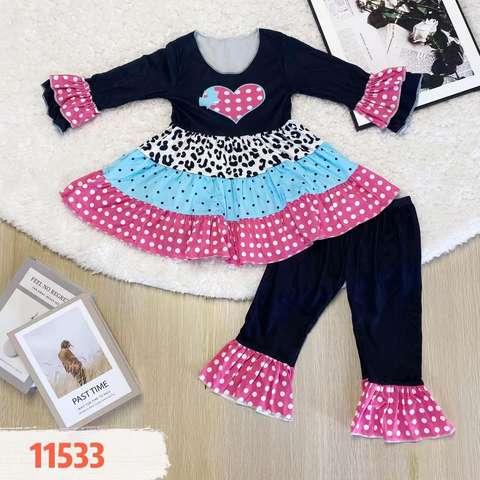
Oem 95 Bamboo 5 Spandex Family Christmas Pajamas Oekotex 100 Wholesale
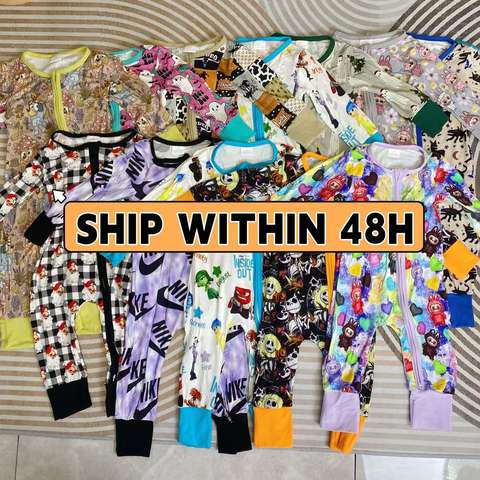
The Science and Engineering of 95% Bamboo 5% Spandex Family Christmas Pajamas
In recent years, the demand for high-performing fabrics in the apparel industry has skyrocketed, especially in niche markets such as holiday-themed apparel. The combination of 95% bamboo and 5% spandex in family Christmas pajamas is a notable innovation in fabric design, offering excellent comfort, durability, and sustainability. This material blend leverages specific technical parameters like GSM, fabric density, and specialized industrial machinery to achieve optimal production outcomes.
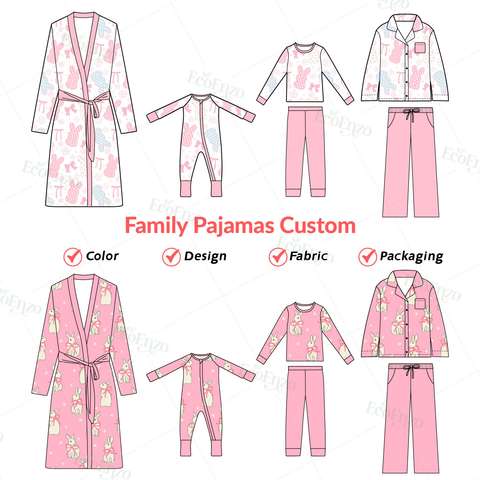
Understanding GSM and Its Role in Pajama Production
The GSM (grams per square meter) of a fabric is a critical property that directly impacts its durability, breathability, and comfort. For family Christmas pajamas, the ideal GSM typically ranges from 180 to 220 to offer a balance between lightweight breathability and cozy warmth.
In a 95% bamboo and 5% spandex blend, the bamboo fibers contribute to a lightweight yet strong fabric structure, while the spandex allows for stretchability. Achieving the desired GSM during production requires precise calibration of weaving and knitting machinery, ensuring uniformity and consistency throughout the fabric roll.
Fabric Density: A Balancing Act for Comfort and Durability
Fabric density, which refers to the number of threads or yarns per unit area in a fabric, is equally essential in the production of premium pajamas. In the case of 95% bamboo and 5% spandex, achieving a medium-density range enhances comfort while providing better resistance to wear and tear.
Industrial-grade circular knitting machines are typically employed for producing bamboo-blend fabrics. These machines can precisely control the density through the programming of feed and tension controls, ensuring consistent stitch formation. Properly calibrated machinery ensures that the fabric maintains its softness, elasticity, and durability, even after multiple washes.
The Role of Industrial Machinery in Bamboo-Spandex Fabric Production
The production of pajama fabrics featuring a bamboo-spandex blend involves a combination of advanced industrial machinery. The main processes include spinning, knitting, and finishing, each requiring sophisticated equipment to achieve the desired results.
Spinning Bamboo Fibers
The first step involves spinning bamboo fibers to create the base yarn. Mechanical or chemical processing breaks down raw bamboo into cellulose, which is spun into threads. Open-end spinning machines are commonly employed for this step, allowing for high-speed production with minimal fiber breakage.
Combining Spandex Threads with Bamboo Yarns
Next, the spandex threads are introduced into the production process. This step is critical as uneven tension in the spandex threads can lead to inconsistencies in elasticity. Advanced spinning frames equipped with tension control systems ensure seamless integration of spandex and bamboo fibers, resulting in a uniform, high-performance yarn.
Knitting the Fabric
Once the yarn is prepared, it is fed into circular knitting machines. Here, the interplay between needles, cams, and yarn feed systems knits the bamboo-spandex blend into a jersey or interlock fabric. Manufacturers often switch between single-knit and double-knit configurations depending on the desired thickness and texture. Precise control over needle spacing and yarn feed also plays a vital role in determining the softness and elasticity of the final product.

Advantages of 95% Bamboo and 5% Spandex Pajamas
Beyond their technical aspects, family Christmas pajamas made from a 95% bamboo and 5% spandex blend have several key benefits that make them stand out in the market.
Eco-Friendliness
Bamboo is a highly sustainable resource, growing quickly without the need for extensive irrigation or pesticides. This makes it an excellent choice for environmentally conscious manufacturers and consumers.
| Fabric Type | Organic Bamboo |
| Compliance | ASTM F963 |
| Customization | OEM |
| Lead Time | 15 Days |
Moisture-Wicking and Breathability
Bamboo fibers inherently wick moisture away from the skin, making these pajamas ideal for various climates. The spandex adds adaptability, ensuring that the fabric conforms to the wearer’s movements while maintaining airflow.
Durability and Retention
The inclusion of spandex enhances the fabric’s ability to retain its shape, even after extended use and repeated washing cycles. This blend also resists pilling, a common issue in other lightweight fabrics.
Quality Testing and Standards Compliance
Producing a high-quality product involves rigorous testing to ensure it meets industry standards and consumer expectations. Several quality control measures for 95% bamboo and 5% spandex pajamas include:
GSM Testing
GSM is tested using GSM cutter tools. Fabric swatches are cut, weighed, and standardized to check uniformity across the production batch.
Elasticity and Stretch Tests
Mechanical testing instruments measure the fabric’s stretch and recovery properties, ensuring the spandex is performing as intended.
Colorfastness
Natural dyes and eco-friendly chemicals often used in bamboo fabric production are tested for colorfastness to ensure vibrant and consistent colors, even after washing.
Shrinkage Analysis
Shrinkage is critical for pajamas, and this is mitigated during finishing processes, such as pre-shrinking and heat setting, performed on industrial stenter frames for size stability.
Final Thoughts
The engineering that goes into producing 95% bamboo and 5% spandex family Christmas pajamas is a testament to modern textile innovation. From GSM calibration and fabric density optimization to sophisticated industrial machinery, every step is meticulously designed to deliver comfortable, sustainable, and durable products. These pajamas exemplify the fusion of engineering and sustainability, making them a standout choice for businesses aiming to capture the eco-conscious holiday market.