Oem Bamboo Clothing Kids Tailormade Vendor
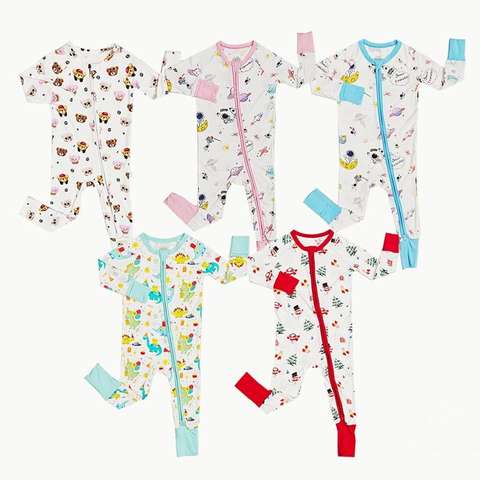
Bamboo Clothing for Kids: Combining Sustainability with Performance
Bamboo clothing has gained popularity as a sustainable textile solution. For kids, the inherent benefits of bamboo fiber—softness, breathability, and hypoallergenic properties—make it an ideal choice. However, manufacturing bamboo clothing requires a deep understanding of GSM (grams per square meter), fabric density, and the role of industrial machinery in ensuring consistent quality. Let’s dive into the technical aspects that influence the production of bamboo clothing for kids and why these elements matter for maintaining performance and comfort.
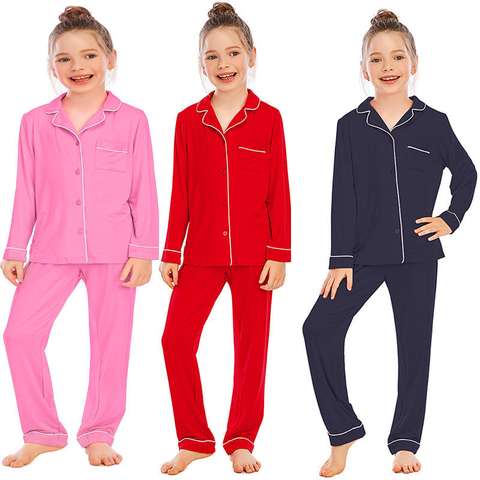
Understanding GSM and Its Role in Bamboo Fabric Selection
GSM, or "grams per square meter," measures the weight of fabric and is a critical metric in the textile industry. For kids' clothing, finding the right GSM balance is essential to achieve softness, durability, and breathability. Bamboo fabrics often fall between 150 and 180 GSM for lightweight garments, while heavier options for colder climates can range between 200 and 250 GSM.
The GSM impacts more than just the feel of clothing. For children, lightweight GSM fabrics (150-170) provide better airflow and moisture-wicking capabilities, which are especially valuable for active toddlers and kids in warmer climates. On the other hand, higher GSM bamboo fabrics deliver warmth and structure, making them suitable for cooler environments.
Utilizing industrial digital GSM measuring tools ensures precision in fabric production. Machines equipped with density meters and fabric weight calculators assess bamboo fibers to maintain uniformity across batches. Consistency in GSM directly influences product quality and customer satisfaction in B2B transactions.
The Importance of Fabric Density in Kids' Bamboo Clothing
Fabric density refers to the number of fibers within a specific area of fabric. While GSM measures weight, fabric density evaluates structure. A balance between low and high density optimizes comfort and durability in kids' bamboo clothing.
For applications like bamboo onesies or shirts, medium-density fabrics offer both breathability and strength. Low-density fabrics maximize softness but may compromise their durability under frequent washing. Industrial weaving machinery addresses this challenge by integrating advanced tension controls and thread-count precision in bamboo fiber processing.
, fabric density contributes to specific characteristics such as stretch, texture, and antimicrobial properties. Bamboo fibers naturally resist bacterial growth, but optimizing density ensures this quality is retained during wear-and-tear cycles. High-performance weaving machines are essential for maintaining optimal fiber alignment and density during production.
Optimized Manufacturing with Industrial Machinery
Industrial machinery plays a pivotal role in the creation of bamboo clothing for kids, addressing key processes such as fiber extraction, spinning, weaving, and finishing. Bamboo fabric production involves breaking down bamboo stalks into a cellulose-like substance, which is then converted into viscose or lyocell fibers via chemical or mechanical processes.
The efficiency of machinery impacts fiber quality, garment production speed, and cost-effectiveness. For instance, automated carding machines help align bamboo fibers uniformly before spinning, reducing inconsistencies. High-capacity spinning frames create strong and smooth threads from bamboo fiber, which are critical for manufacturing soft yet durable kids' clothing.
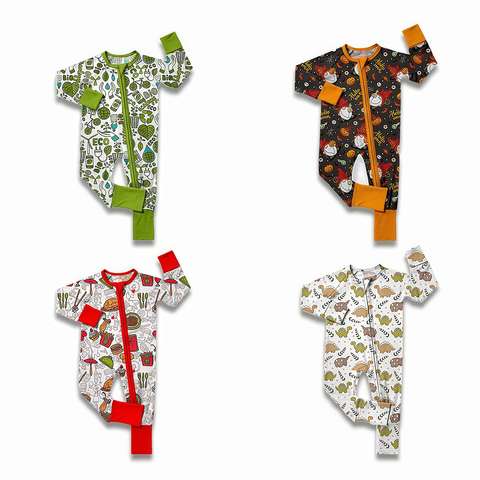
Modern industrial looms further enhance production by maintaining uniform tension while weaving bamboo threads into fabric. The integration of digital controls in these machines ensures precise fabric density and reduces wastage, a significant advantage in eco-conscious textile production.
Additionally, dyeing machinery plays a substantial role in achieving vibrant yet child-safe colors for bamboo clothing. Non-toxic dyes that bond effectively to bamboo fibers require careful temperature and pH control, which state-of-the-art dyeing equipment facilitates.
Key Benefits of Bamboo Clothing for Kids
Children's clothing requires special consideration due to their sensitive skin and active lifestyles. Bamboo fabric delivers advantages that address these needs:
- Softness and Comfort: Bamboo fibers are incredibly smooth, reducing irritation or chafing on delicate skin.
- Breathability: Bamboo's natural moisture-wicking properties help keep children cool, especially during play or hot weather.
- Hypoallergenic Properties: Bamboo fabric is free from harsh chemicals and naturally resists allergens, making it suitable for babies and children with sensitive skin.
- Sustainability: Bamboo is a fast-growing resource that requires fewer pesticides and water compared to cotton, making it a greener choice for environmentally-conscious manufacturers.
At the technical level, these benefits are maximized by strategic decisions about GSM, density, and production processes. Engineering solutions ensure that fabric tolerances and performance align with B2B expectations for kid-friendly products.
Future Innovations in Bamboo Textile Processing
As demand for bamboo clothing grows, innovations in industrial machinery and textile engineering continue to evolve. Automation and AI-driven quality control systems are among the next steps in optimizing bamboo production. These advancements allow manufacturers to detect fiber inconsistencies quickly and adjust settings in real-time, improving quality.
| Fabric Type | Pima Cotton |
| Compliance | CPC Certified |
| Customization | Tailor-made |
| Lead Time | 23 Days |
In addition, the development of new mechanical processing techniques for bamboo fibers aims to reduce reliance on chemical treatments, further enhancing the eco-friendliness of bamboo textiles. With sustainability at the forefront, research into closed-loop systems promises to make bamboo fabric production even greener.
For B2B suppliers and manufacturers of kids' clothing, investing in these advanced processing technologies not only ensures higher-quality products but also keeps production competitive in an increasingly eco-aware market.
Bamboo clothing for kids represents a perfect cross-section of sustainability, comfort, and performance. From selecting the ideal GSM for specific clothing items to controlling fabric density and leveraging industrial machinery for optimized manufacturing, the production process requires technical precision and continuous innovation.
For B2B manufacturers, understanding and investing in these key aspects ensures that bamboo clothing meets the high standards of quality and environmental responsibility demanded by modern consumers. By prioritizing both technical expertise and ethical practices, manufacturers can establish themselves as leaders in the bamboo textile industry and secure trust from partners in the kids' clothing market.